Hungary Ousts Putin Ally; Russia Loses Key EU Voice
Hungary's recent election saw Viktor Orban ousted after nearly two decades in power, sparking widespread celebrations and marking a significant shift in European politics. The outcome signals a potential loss of a key ally for Russia within the EU, with the new government promising a move away from pro-Russian policies and a crackdown on corruption.

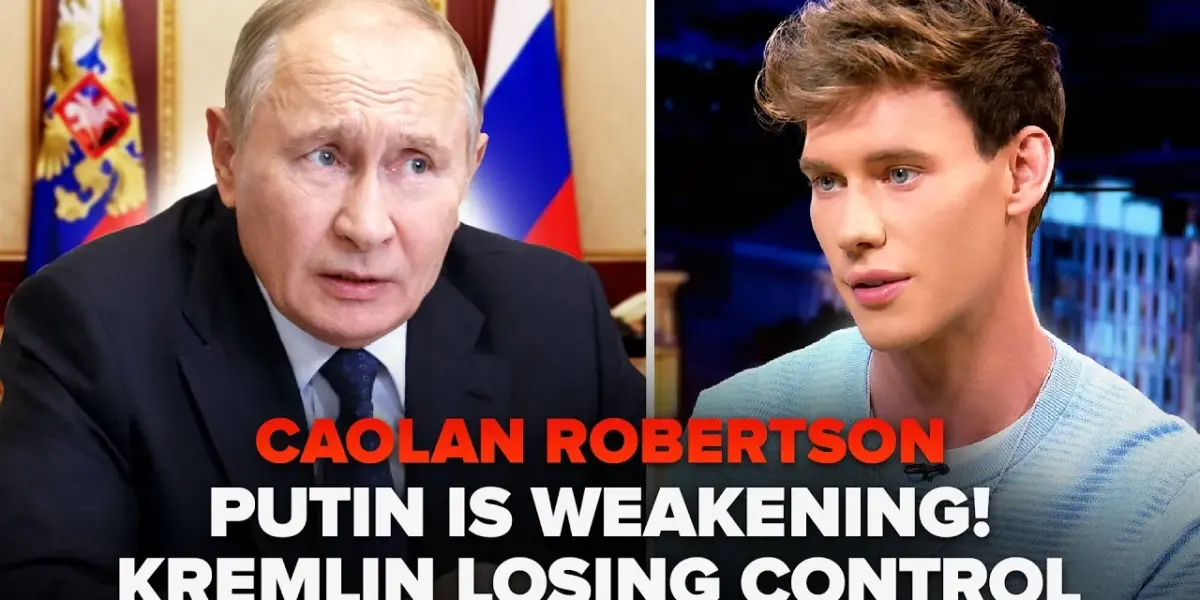
Hungary Ousts Putin Ally; Russia Loses Key EU Voice
Hungary’s recent election has resulted in a significant geopolitical shift, removing Viktor Orban from power and signaling a potential loss of a key ally for Russia within the European Union. The election’s outcome has been met with widespread jubilation, described by observers as a festival of freedom and a return to democracy after nearly two decades of what many called authoritarian rule.
Joyful Celebrations Mark Orban’s Defeat
Upon arriving in Budapest, an Irish journalist noted a palpable change in the atmosphere, sensing that Orban’s hold on power was weakening. This feeling was amplified by seeing Orban’s campaign posters being torn down.
Visits to towns and villages that traditionally supported Orban revealed a deep weariness among voters who could no longer afford basic necessities. This sentiment was widely shared, with many expressing their intention to vote for the opposition.
The election night itself was described as unlike any other, resembling a vibrant festival. Thousands of people of all ages gathered, filling bridges and streets with ecstatic celebrations.
Many young people, some voting for the first time, expressed profound relief at entering a new Hungary free from the Orban regime. Fireworks lit up the sky, and screams of joy could be heard throughout the night, creating an atmosphere of collective liberation.
One striking moment shared by an observer was a Hungarian citizen expressing renewed pride in their nationality. He stated that for the first time in a long time, he could proudly identify as Hungarian abroad, no longer needing to feel ashamed of having a leader perceived as being in Vladimir Putin’s pocket or an autocrat leading the country eastward instead of westward.
Russia’s Influence Diminishes in Hungary
For years, Russian President Vladimir Putin reportedly treated Hungary as a personal service provider. He could allegedly call Orban directly to request favors, strike deals, or block information within the European Union. This dynamic appears to have ended with Orban’s departure, suggesting Russia’s ability to leverage Hungary as a tool within the EU has been significantly curtailed.
The new Hungarian government has signaled a clear departure from this pro-Russian stance. The incoming Prime Minister, Peter Magyar, has publicly mocked Russian press, highlighting the newfound freedom of expression in Hungary compared to Moscow. Chants of “Russians go home” were heard, indicating a strong public sentiment against Russian influence.
A Symbol of Resistance and Change
The election’s symbolism extends beyond political change. The journalist recounted a profound moment at a pre-election concert where a soldier in uniform spoke about defending freedom and democracy, receiving thunderous applause. This event highlighted the deep desire for self-determination and a rejection of authoritarianism.
Historically, Hungary has a complex relationship with Russian influence, marked by past Soviet occupation. The tearing down of a statue of Joseph Stalin in 1957 during an uprising against Soviet rule was a powerful symbol of resistance. The election is seen by many as a symbolic re-enactment of that struggle, with voters rejecting a leader perceived as rebuilding ties with a system reminiscent of that oppressive past.
Orban’s Final Rally Contrasts Starkly with Opposition’s Festival
In stark contrast to the opposition’s energetic celebrations, Orban’s final rally was described as somber and disheartening. Held in a gothic-style venue, the atmosphere was dark and depressing, with Orban himself appearing exhausted. His speech focused heavily on blaming Ukraine and external forces for Hungary’s problems, mentioning Ukrainian President Zelenskyy numerous times.
The rally was reportedly poorly attended, with many supporters leaving before it concluded. Reports suggested that some attendees were paid to be there, highlighting a lack of genuine enthusiasm. This stark contrast between the two rallies highlighted the shift in public sentiment and the waning energy around Orban’s leadership.
New Leadership’s Stance on Russia and Corruption
While Peter Magyar is not necessarily seen as a pro-Ukrainian champion, his administration is viewed as a significant step away from Orban’s pro-Russian policies. He is not expected to sabotage aid to Ukraine, unlike his predecessor, nor is he expected to be a staunch ally of Moscow. This neutral yet distinctly non-Russian alignment is considered critically important.
The new government has also indicated a strong stance against corruption, a practice deeply ingrained during Orban’s tenure. The journalist highlighted instances of questionable EU-funded projects, such as a €1.3 million roundabout that led nowhere, symbolizing a legacy of enrichment through foreign funds while outwardly criticizing the European Union.
The new administration is reportedly investigating those involved in Russian collusion and spreading propaganda. The Hungarian army has seized shredded documents, intending to use AI to reconstruct them, potentially uncovering further evidence of Orban-era corruption and dealings with Russia. This suggests a significant shift in Hungary’s approach to both domestic corruption and its international relations.
Geopolitical Ramifications and Future Outlook
The ousting of Orban is considered a major geopolitical development, removing a significant obstacle to EU unity on issues concerning Russia and Ukraine. It also signals a potential weakening of Russia’s ability to sow division within the bloc.
However, Russia is expected to remain persistent in seeking influence elsewhere in Europe, likely focusing on future elections in other member states. The journalist noted that while support for Russia may be diminishing overall in Europe, Putin’s strategy of interference is likely to continue.
The shift in Hungary is also viewed as a return to democratic principles for a country that had drifted towards authoritarianism. While some conservative factions may find the new leadership more aligned on issues like immigration, the decisive move away from Russian influence is seen as the most historically significant aspect of this election.
The article concludes by noting that the new Hungarian government’s decision to cease funding for CPAC, a conservative political conference that had been heavily supported by Hungarian taxpayers and often hosted figures promoting Kremlin narratives, marks another blow to Russian-aligned political movements in Europe.
Source: 😲This end for Putin! Kremlin starts to crack. Irish journalist noticed an interesting detail (YouTube)

Related Articles

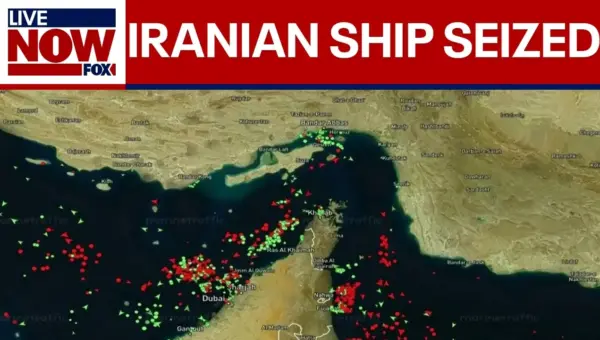
US Seizes Iranian Ship, Escalating Tensions Near Strait of Hormuz
The US Navy seized an Iranian-flagged cargo ship, the Tusca, near the Strait of Hormuz, escalating tensions. Iran has vowed retaliation, casting doubt on a fragile ceasefire. The incident highlights complex maritime law issues and has caused significant market volatility.
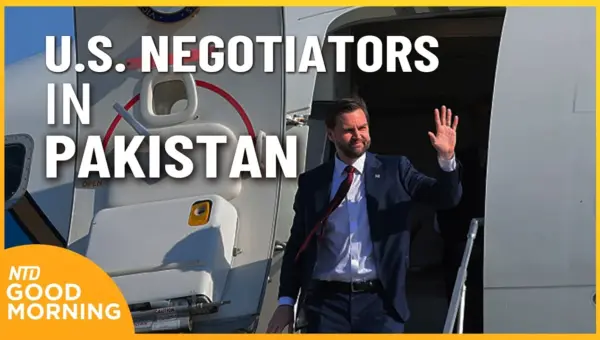
Iran Talks Stall Amid US Ship Seizure, Scientists Vanish
Peace talks between the U.S. and Iran are in jeopardy following the U.S. military's seizure of an Iranian ship. Analysts point to internal divisions within Iran as a major obstacle to any potential deal. The report also covers the concerning trend of missing or deceased scientists and a tragic mass shooting in Louisiana.


Strait of Hormuz Closure Threatens Global Energy Supply
The Strait of Hormuz faces a critical disruption following attacks on ships and a U.S. boarding of an Iranian tanker. The IEA warns energy output could take two years to restore, potentially impacting global markets.