Spain, Latin America Forge New Alliance Against US Hegemony
Spain and Latin American nations are forging new alliances, creating a united front against US global influence. This growing bloc, highlighted by a summit in Barcelona, seeks to reduce dependence on American policies and assert greater regional autonomy. The shift signals a changing world order where middle powers are consolidating economic leverage.


Spain and Latin America Unite in Growing Challenge to US Influence
A significant shift in global politics is unfolding as Spain and Latin American nations strengthen ties, creating a united front that challenges the long-standing dominance of the United States. This emerging alliance, centered in Barcelona, signals a growing desire among these nations to chart their own course, independent of American influence and policies.
US Isolated as Allies Seek New Partnerships
The United States finds itself increasingly isolated on the world stage, having distanced many of its traditional allies. While American politicians may view global politics as a simple game, the reality is far more complex. Nations now expect consultation, especially when military actions are planned, a fact often overlooked by Washington.
Barcelona Summit Highlights Global South’s Rise
A recent summit in Barcelona, largely ignored by mainstream Western media, is a crucial indicator of this changing dynamic. This gathering heavily favored nations from the Global South, particularly Latin America.
For many in the US, Latin America remains a distant region known only for beaches and stereotypes, yet the US relies heavily on its resources and products. This deep interdependence means America cannot afford to act alone in the globalized world.
Latin America’s Distrust of US Policies
Latin America has long viewed North America not as a trusted partner, but as an actor whose past actions have often harmed its populations. This distrust is rooted in historical interventions and policies that have not always benefited the people of Central and South America. Now, these nations are actively building stronger relationships among themselves, exemplified by new agreements between Spain and Brazil and the healing of diplomatic ties between Spain and Mexico.
Spain’s Defiance and US Retaliation
Spain’s willingness to stand against US foreign policy has become a focal point. When Spain refused to allow the use of its naval and air bases for US operations in Iran, President Trump responded with threats of severe economic sanctions, including tariffs and trade cutoffs. This strong reaction, intended to punish Spain for taking a moral stance, has instead garnered international support for Spain, showing the world the consequences of defying American demands.
Economic Agreements Bypass US Reliance
The Barcelona summit saw Spain and Brazil sign fifteen agreements aimed at reducing dependence on the United States. These deals focus not just on immediate economic needs but also on future technologies like telecommunications and artificial intelligence.
They also cover the crucial extraction of rare earth minerals essential for modern manufacturing. This move aligns with the growing influence of BRICS nations, which are gaining power by challenging what is described as America’s historically aggressive and hegemonic policies.
BRICS Expansion and Brazil’s Role
The United States often views the BRICS group with suspicion due to the inclusion of China and Russia. However, Brazil’s membership is less understood by many Americans, who may only know of Brazil through figures like former President Bolsonaro.
Brazil’s current president, Lula da Silva, understands the significant power Brazil wields as a South American superpower. He has witnessed US interventions in countries like Venezuela and threats against leaders in Colombia, recognizing the need for a united front against such actions.
An ‘Anti-Trump’ Bloc Forms
This new bloc is being called an ‘anti-Trump’ movement, standing against policies that threaten the liberal international order. This is happening even as far-right movements gather in Europe, suggesting a global struggle for the future of governance. The choice is between a return to an era of aggressive self-interest and survival of the fittest, or a progressive order where all nations rise together, moving beyond the economic monopoly seen over the past century.
Latin America Seeks Autonomy
For Central and South America to thrive and defend themselves, they must increasingly distance themselves from the United States. Their experience with US foreign policy, including perceived failures in the Middle East, has shown that American power is not invincible. Instead of direct confrontation, these nations are consolidating their economic and trade power as a more effective tool.
US Interdependence and Isolationism’s Cost
The deep entanglement of the United States in the global network is a reality many Americans fail to grasp. A push towards isolationism, the idea that America can succeed alone, would ultimately lead to its own failure.
Aggressive rhetoric and actions challenging the sovereignty of neighbors like Canada and Mexico only serve to damage vital trade routes and resource flows into the US. When these routes are disrupted, it is the American people who ultimately pay more, struggling to afford basic goods and facing increased costs for businesses.
Right to Self-Determination
Latin American nations have every right to form alliances for their own security, challenging the idea that America must control the Western Hemisphere. While Argentina is a significant player, it does not speak for all of Latin America; the region is speaking with a unified voice.
The healing of diplomatic relations between Spain and Mexico, a symbolic act following past tensions over historical grievances, demonstrates this growing unity. The world is changing rapidly, and these significant geopolitical shifts are not being adequately discussed within the United States, a conversation that needs to begin immediately.
Source: The American Illusion Just Broke In Barcelona: Spain and Latin America Rise-Up (YouTube)

Related Articles

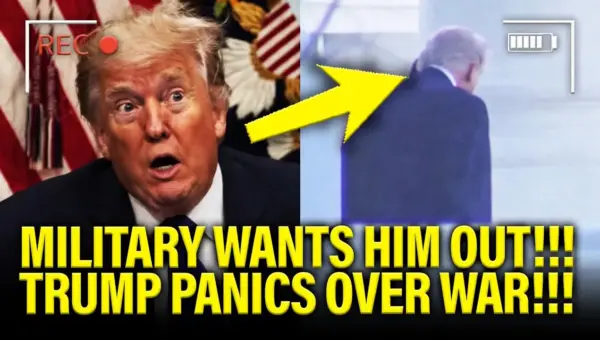
Military Leaders Try to Block Trump’s War Escalation
Military leaders are reportedly trying to sideline Donald Trump from war discussions due to his erratic behavior. Meanwhile, Trump issues escalating threats against Iran, while Iran rejects his claims and refuses to negotiate under current conditions. Upcoming talks in Pakistan face an uncertain future.
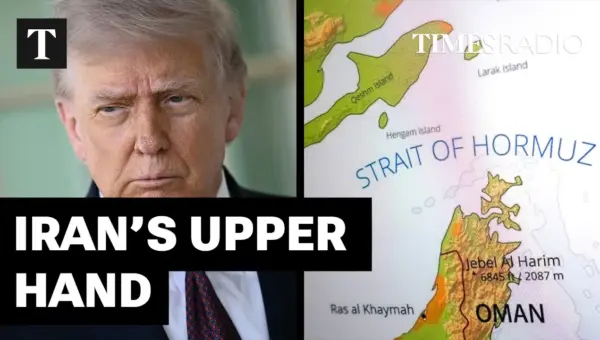
US Faces Limited Options Against Iran’s Strait Control
Iran's control over the Strait of Hormuz presents the U.S. with limited options beyond a massive ground invasion. Despite ongoing peace talks and a potential deal mirroring past agreements, Iran's demonstrated leverage over the vital economic chokepoint solidifies its strategic position. The conflict's economic fallout is impacting global markets, with the U.S. experiencing higher energy prices and slower economic growth, while other nations face more severe consequences.

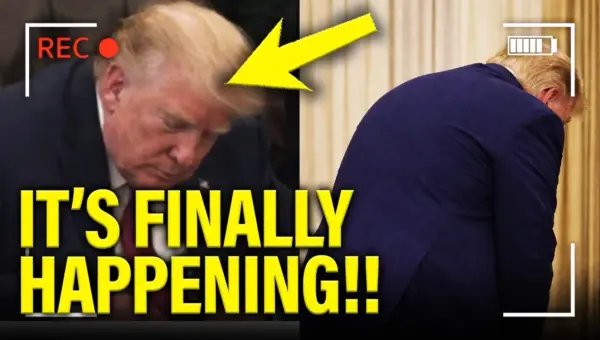
Trump’s Health Fears Spark Global Unease
Concerns are growing over Donald Trump's cognitive and physical health, with erratic social media posts and public statements fueling speculation. These issues arise amidst rising global tensions, raising questions about his fitness for leadership. The transcript suggests a pattern of disinhibition and conspiracy-driven communication.