Trump Threatens Iran: “Blow Up Every Power Plant”
President Trump has issued a stark warning to Iran, threatening to "blow up every power plant and bridge" if a deal is not signed amid a naval blockade. This comes as U.S. forces intercepted an Iranian cargo ship, escalating regional tensions. Despite this, a strong earnings outlook for the oil sector provides a contrasting positive economic signal.

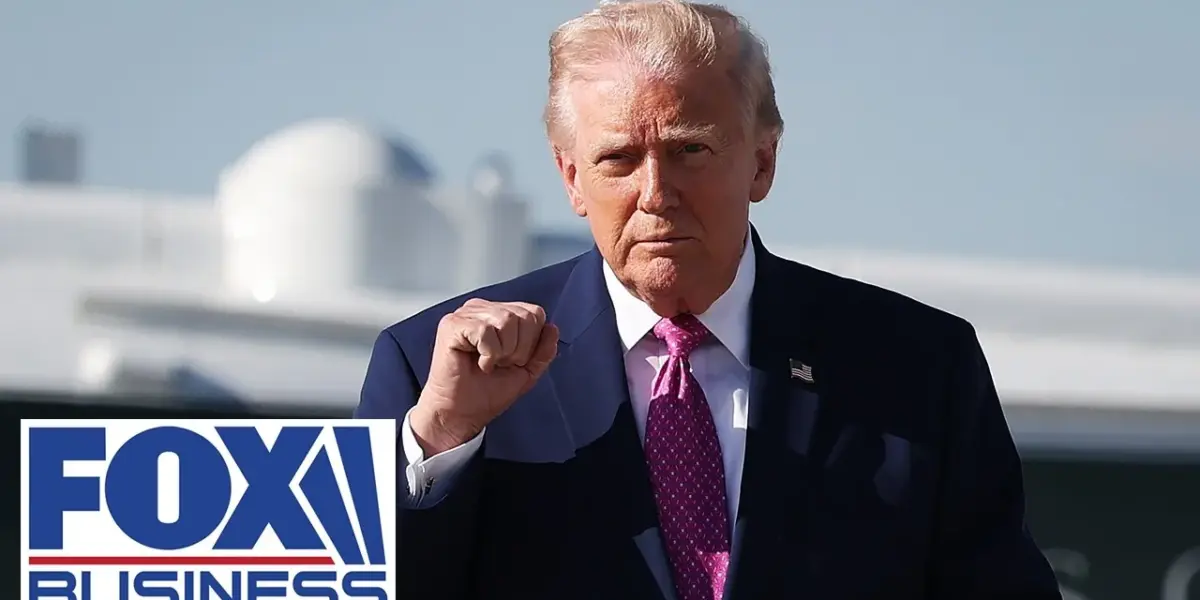
Trump Issues Stark Warning to Iran Amid Standoff
Tensions flared over the weekend as U.S. naval forces intercepted an Iranian cargo ship attempting to breach a blockade in a critical waterway. The incident, which followed a six-hour standoff, saw the ship reportedly moving between China and Iran for much of the past year. This action comes as Iran reversed a decision to open the Strait, halting traffic and directing shippers to new lanes along its coast.
President Trump stated in a phone call that the U.S. has closed the Strait with a naval blockade. He expressed strong expectations for an agreement to be signed imminently, with U.S. officials reportedly ready for a round of talks in Pakistan. However, Iran has not officially confirmed its participation, with state media suggesting the country might not attend.
Iran Faces “Maximum Pressure” Campaign
The Trump administration’s strategy has been described as a “maximum pressure” campaign, employing both diplomatic and economic tools. This approach aims to compel Iran to abandon its pursuit of nuclear weapons, a long-standing U.S. policy objective. The administration believes Iran is now in a position where it must concede on key issues due to severe economic hardship.
President Trump reportedly told Maria Bartiromo that “every item has been negotiated” and that he fully expects an agreement. However, he issued a stark warning: if the agreement is not signed, the U.S. will “blow up every power plant and bridge and more.” This threat comes just weeks before a reported two-week ceasefire is set to expire.
Economic Damage and Diplomatic Stance
Reports suggest Iran has suffered over $200 billion in damages, with the U.S. reportedly targeting over 13,000 sites within the country. This military action, aided by advanced Russian and Chinese technology, has significantly weakened Iran’s capabilities. Despite this, Iranian officials have been discussing potential talks, a stance some observers liken to a weak negotiation tactic.
The U.S. is offering Iran a choice between continued conflict and the potential for peace and prosperity. The administration argues that by agreeing to terms, Iran could avoid further crippling its infrastructure and instead focus on rebuilding its economy and benefiting its people. This path, they contend, could lead to regional stability.
Arrests and Earnings Outlook
Adding to the complex geopolitical situation, federal authorities arrested an Iranian national in Los Angeles over the weekend. The individual is accused of brokering deals to sell Iranian-made drones and weapons to the Sudanese military. This arrest highlights ongoing concerns about Iran’s international arms dealings.
Turning to economic indicators, a recent analytical report suggests concerns about the private credit situation may have been overstated. First-quarter earnings for major banks have shown positive results, exceeding initial expectations. Analysts are forecasting strong earnings growth for the oil sector, with projections of over 13% growth this quarter and roughly 20% for the subsequent three quarters.
Market Impact
The escalating tensions with Iran, coupled with the threat of military action, introduce significant geopolitical risk into the market. Geopolitical instability can disrupt global supply chains, particularly impacting energy markets and shipping routes. Investors often react to such news by seeking safer assets, potentially leading to increased volatility in stock markets.
However, the potential for a de-escalation through a signed agreement could be viewed positively by markets, especially if it leads to greater stability in the Strait and improved oil supply outlooks. The ongoing earnings season, particularly the strong performance expected in the energy sector, provides a counterpoint of positive economic news.
What Investors Should Know
Investors are closely watching the outcome of the negotiations with Iran. A failure to reach an agreement could lead to further military escalation, impacting oil prices and global trade. Conversely, a resolution could ease tensions and support economic recovery.
The positive outlook for corporate earnings, especially in the oil sector, suggests underlying economic strength. If the Federal Reserve also signals lower interest rates later this year, this could further stimulate economic activity. However, geopolitical events remain a key factor to monitor for potential market disruptions.
The situation remains fluid, with critical developments expected in the coming hours as the ceasefire deadline approaches.
Source: 'BLOW UP EVERY POWER PLANT': Trump’s EXPLOSIVE warning stuns talks (YouTube)

Related Articles

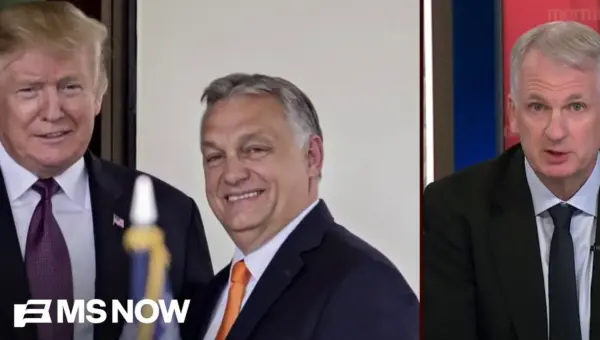
Historian: Orbán Linked Putin and Trump, Weakening Democracy
Historian Timothy Snyder warns that Viktor Orbán has played a key role in connecting Vladimir Putin and Donald Trump, strengthening international right-wing networks. Snyder criticizes Trump's rhetoric and argues that the U.S. is losing its moral standing on the world stage. He points to the recent Hungarian election as a potential model for combating corruption and defending democracy, but stresses the need for continuous citizen engagement.


Middle East Tensions Rise Amid New Seizure of Iranian Ship
Tensions between the U.S. and Iran escalated with the seizure of an Iranian-flagged ship, complicating ongoing ceasefire negotiations. Meanwhile, Pope Francis's criticism of war has led to a public clash with President Trump, as U.S. polls show low approval ratings for the President amid economic concerns. Elsewhere, a tragic mass shooting in Shreveport, Louisiana, claimed the lives of eight children, while a dramatic weather shift brought unseasonal cold to the East Coast.
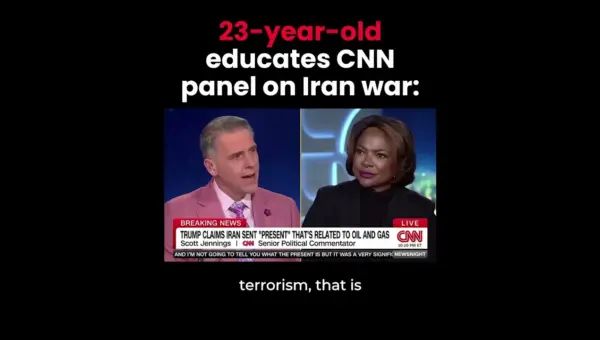
Did We Win? The Confusing Reality of US Mideast Policy
President Trump claims victory over Iran, but military deployments and regional changes suggest otherwise. Analysts highlight a gap between official statements and the complex reality on the ground. The situation raises serious questions about the costs and true outcomes of U.S. involvement in the Middle East.