Trump’s Erratic Behavior Fuels Global Unease, Domestic Doubts
Donald Trump's recent public statements and actions are causing significant concern among world leaders and raising questions at home. His frequent outbursts on Truth Social, particularly regarding international affairs, suggest a leader under immense pressure. These displays often come across as desperate attempts to project strength while privately facing considerable challenges.

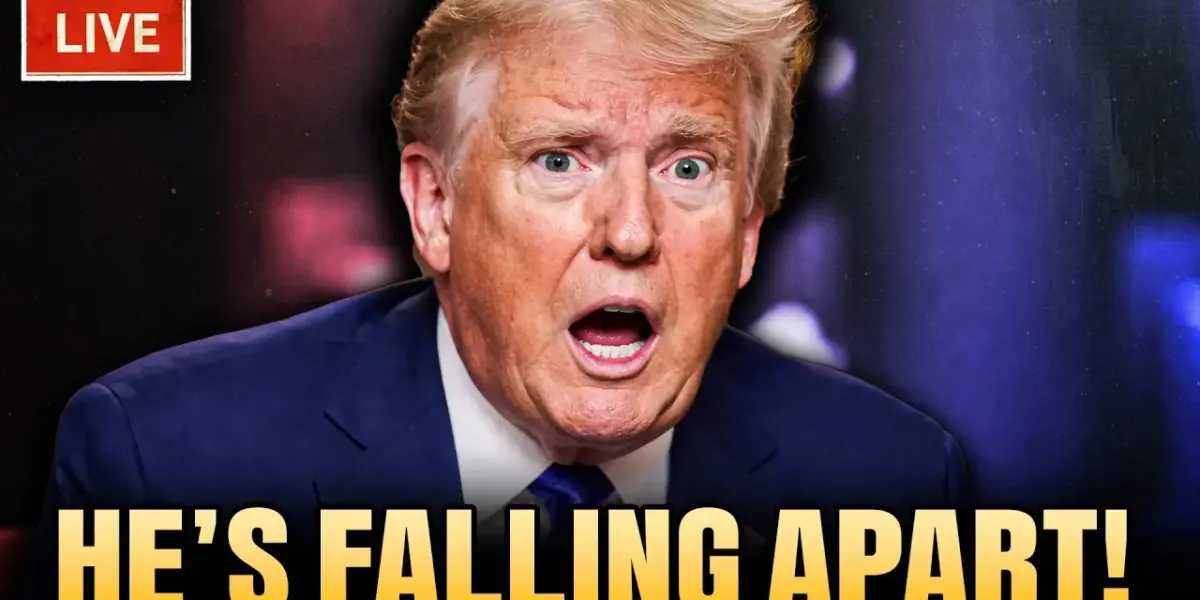
Trump’s Erratic Behavior Fuels Global Unease, Domestic Doubts
Donald Trump’s recent public statements and actions are causing significant concern among world leaders and raising questions at home. His frequent outbursts on Truth Social, particularly regarding international affairs, suggest a leader under immense pressure. These displays often come across as desperate attempts to project strength while privately facing considerable challenges.
One of the most alarming recent episodes involved Trump’s commentary on Iran’s actions in the Strait of Hormuz. He issued a series of contradictory statements, claiming the U.S. was benefiting from Iran’s actions while simultaneously threatening severe military retaliation. This confusing mix of boasts and threats left many international observers bewildered.
A Tangled Web of Diplomacy and Threats
Trump’s posts described Iran firing bullets into the Strait of Hormuz, a violation of a ceasefire agreement. He mentioned French and UK ships being targeted, though other reports indicated Indian vessels were involved. His narrative then shifted to claiming the U.S. blockade had already closed the strait, rendering Iran’s actions moot.
He described this situation with a convoluted logic, comparing it to a playground argument about closing a game. This unusual framing of international relations highlighted a perceived lack of clear strategy.
The U.S. reportedly loses nothing, he claimed, while ships head to American ports. He then issued a stark warning: if Iran did not accept a “fair and reasonable deal,” the U.S. would destroy all of Iran’s power plants and bridges.
World Leaders Grow Wary
This aggressive stance and confusing messaging have understandably worried international leaders. They view these pronouncements as erratic and potentially destabilizing. The fear is that such unpredictable rhetoric could escalate conflicts unnecessarily.
Trump’s attempts to draw allies like the UK and France into direct confrontation over Iran’s actions have so far failed. These nations appear hesitant to be pulled into what they see as a potential quagmire. They seem to recognize the situation’s complexity and are avoiding Trump’s bait.
Domestic Discontent and Shifting Alliances
Domestically, Trump faces widespread disapproval across nearly every issue. Polls show him underwater on the economy, immigration, tariffs, and foreign policy. This low approval suggests a significant portion of the American public is unhappy with his leadership.
Amidst this backdrop, there’s a growing internal debate within MAGA circles about Trump’s handling of perceived threats. Marjorie Taylor Greene has publicly questioned the official account of an alleged assassination attempt on Trump during a rally. She echoed sentiments that Trump himself has not adequately addressed the incident, suggesting it might have been staged or mishandled.
Questions Surrounding the Pennsylvania Rally Incident
Greene shared a post from a January 6th activist, Trisha Hope, who detailed her observations of Trump’s speech following the alleged assassination attempt. Hope found it odd that Trump stated he would only speak of the event once, calling it a “red flag.” Greene amplified this by asking why Trump, of all people, isn’t leading the charge for truth on this matter.
This questioning of the rally incident is significant because Trump often uses hardships to fuel his narrative and fundraising. His relative silence on this particular event, while continuously referencing the 2020 election, has raised eyebrows. Some observers, including the speaker in the original transcript, now believe the event may have been staged, especially given the lack of detail and Trump’s own ear remaining intact.
Internal Blame and Potential Firings
As things unravel, Trump appears poised to shift blame onto those he delegated responsibilities to. Figures like JD Vance, Jared Kushner, and Steve Whitlock have been involved in negotiations with Iran. Their perceived failures could lead to their dismissal, as Trump seems unwilling to accept personal responsibility.
Political analysts suggest that Trump needs negotiators with deep expertise in Iranian affairs, not just loyalists. Relying on individuals like Vance, a real estate developer, and Kushner, his son-in-law, who lack diplomatic experience, has been identified as a key problem. This reliance on loyalty over competence is seen as a major flaw in his approach.
The “Medal of Honor” Speculation
Adding to the unusual narratives, reports suggest Trump is considering awarding himself the Medal of Honor. This would be the highest military honor, typically reserved for extraordinary acts of valor. The idea stems from his perceived love for “participation trophies” and his history of seeking accolades.
Critics argue that such a move would cheapen the medal’s prestige and disrespect actual recipients. They believe Trump has not earned such an honor through genuine service or sacrifice. This speculation highlights his perceived self-aggrandizement and disregard for established norms.
Cash Patel’s Troubled Reputation
Meanwhile, Cash Patel, a figure associated with Trump, faces scrutiny over his professional conduct. An article in The Atlantic detailed numerous alleged failures and questionable behavior within the FBI. Reports suggest Patel engaged in excessive drinking and had incidents of poor judgment, including locking himself in an office while intoxicated.
Patel’s alleged struggles with basic tasks, like remembering his email password, led to panic about being fired. He has publicly pushed back against these reports, vowing to fight “fake news” in court. However, these accounts paint a picture of someone whose personal and professional life is also in disarray.
Why This Matters
The combination of Trump’s erratic foreign policy pronouncements, domestic unpopularity, and internal controversies creates a volatile situation. World leaders are watching closely, concerned about potential miscalculations that could lead to wider conflict. At home, the questioning of key events and the potential for scapegoating reveal deep divisions and a leader struggling with accountability.
This period is critical as it showcases a leader whose personal and professional lives appear to be intertwined with his public actions. The consequences of his rhetoric and decisions extend beyond domestic politics, impacting global stability. The focus on personal loyalty over expertise in critical areas like foreign policy suggests a leadership style that may continue to create crises.
Implications and Future Outlook
The current trajectory suggests a continued pattern of Trump seeking external validation while facing internal and external pressures. His administration’s reliance on inexperienced loyalists for complex diplomatic tasks, particularly with Iran, is a recipe for further complications. The possibility of him awarding himself a high honor like the Medal of Honor, if realized, would further erode trust in prestigious institutions.
The growing skepticism within his own political base regarding past events, like the Pennsylvania rally incident, indicates a potential erosion of narrative control. As more individuals associated with Trump face scrutiny, the focus remains on how these internal and external pressures will shape future actions and political outcomes. The upcoming weeks may reveal who bears the brunt of blame for perceived failures, potentially leading to significant personnel changes.
Historical Context
Throughout his career, Donald Trump has often used aggressive rhetoric and challenged established norms. His approach to foreign policy has frequently involved direct confrontation and a questioning of long-standing alliances. The current situation with Iran echoes past tensions, but Trump’s unique communication style and the domestic political climate add new layers of complexity.
The speculation surrounding the Medal of Honor is not entirely new, as Trump has often expressed admiration for military honors and has been accused of seeking personal glory. Similarly, the practice of blaming subordinates for failures is a recurring theme in his business and political dealings. These patterns provide a historical lens through which to view his current actions.
Looking Ahead
The coming weeks will likely bring more clarity on the fallout from the Iran negotiations and potential personnel shifts within Trump’s circle. The ongoing scrutiny of figures like Cash Patel and the internal questioning of key events will continue to shape public perception. The global community will remain watchful for any escalations or diplomatic shifts stemming from Trump’s pronouncements.
The focus on upcoming events, such as potential resignations or dismissals within the administration, will be key indicators of how these internal pressures are being managed. The possibility of further controversial actions, like self-awarding honors, remains a concern for those who value institutional integrity.
Source: Trump Worries World Leaders As His Life Falls Apart (YouTube)

Related Articles

Trump’s Power Grabs: Allegations of Abuse Surface
Allegations surfaced during a live debate suggesting former President Trump abused his power by subverting Congress and appointing loyalists to key positions. The discussion focused on whether Trump directed legal actions against specific individuals, raising concerns about the weaponization of the justice system and the integrity of democratic institutions.

Trump’s Allies Face Scandals as World Leaders Rethink Ties
Allegations of foreign interference and scandals surrounding Donald Trump's allies, like Cash Patel, are raising serious questions. The article explores criticisms of U.S. foreign policy, particularly concerning Russia and Israel, and calls for greater accountability in leadership.
Generals Warn Trump’s Behavior Threatens National Security
Top military leaders are reportedly warning that Donald Trump's erratic behavior and temperament pose a threat to national security. Leaked information suggests concerns over his decision-making, leading to him being excluded from critical mission briefings. This comes amid reports of low morale and broader issues within the U.S. military.