US House Faces Ethics Storm Amid Member Accusations
U.S. House members face ethics investigations and calls for expulsion, with Congressman Cory Mills denying allegations against him. The controversies highlight internal party divisions and the intense scrutiny of lawmakers' conduct.

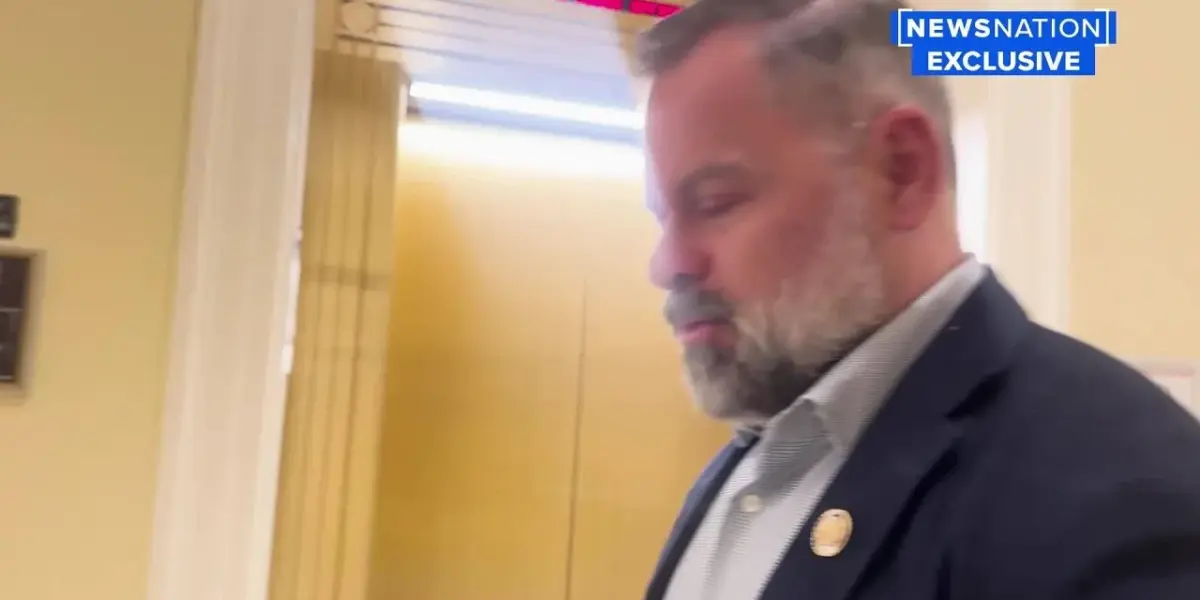
House Ethics Under Fire as Members Face Scrutiny
The U.S. House of Representatives is facing a growing wave of controversy as several members are entangled in ethics investigations and public accusations. This situation has led to calls for potential expulsion votes, highlighting internal party divisions and the intense scrutiny faced by lawmakers.
Congressman Mills Denies Allegations
Congressman Cory Mills has publicly addressed allegations against him, stating he has not heard about any potential expulsion vote concerning himself or other members. He emphasized that the accusations against him are different from those faced by other lawmakers, specifically mentioning Representatives Eric Swalwell and Matt Gaetz. Mills pointed out that he is not married, unlike Swalwell, and has never faced complaints of sexual harassment from staffers or interns, unlike some others. He described the situation as a political attack from the Democratic party.
Mills also addressed claims of domestic violence, stating that while accusations were made, no one actually claimed domestic violence occurred. He noted he has never been arrested or faced legal proceedings related to these claims. He expressed concern about being considered guilty by accusation rather than by the established rule of law. Regarding his ethics case, Mills stated that his team has provided all necessary documentation to the Federal Election Commission (FEC). He explained that mistakes can happen in quarterly FEC reports filed by his treasurer, and these errors have been corrected and amended.
Intra-Party Criticism Surfaces
When asked about Republican members calling for his expulsion, Mills expressed a desire to know who these individuals are. He mentioned that while some have voiced opinions on social media, he has not seen widespread Republican support for such actions. He specifically called out Representative Nancy Mace, noting her own past legal issues. Mills mentioned that Mace reportedly had a restraining order against her in October 2020 and is currently under a gag order. He also suggested Mace might be facing her own ethics investigation, questioning the basis for her criticism of him.
Broader Implications for House Ethics
The ongoing ethical challenges facing multiple members of Congress raise significant questions about accountability and public trust. The involvement of ethics committees and the potential for expulsion votes underscore the seriousness of these matters. These internal conflicts can distract from legislative duties and impact the public’s perception of Congress as an institution. The differing accusations and defenses presented by lawmakers involved highlight the complex nature of ethics investigations in the political arena.
Why This Reshapes the World Order
While the current controversies are internal to the U.S. House of Representatives, they reflect broader trends in global politics. Increased transparency, amplified by social media, means that personal and professional conduct of public figures is under constant scrutiny. This can lead to both greater accountability and the weaponization of accusations for political gain. The focus on ethics within one of the world’s most powerful legislative bodies can influence how other nations view democratic institutions and the rule of law. It also affects the United States’ standing on the global stage, as its internal political stability and adherence to ethical standards are closely watched by allies and adversaries alike.
Historical Context
The U.S. Congress has a long history of dealing with ethics violations and expulsions. Since the nation’s founding, a small number of members have been expelled for various reasons, including treason, fraud, and misconduct. These instances, though rare, set important precedents for legislative integrity. The current situation, while involving different types of allegations, continues this historical pattern of holding lawmakers accountable to ethical standards. The process often involves investigations by House committees, mirroring past procedures.
Economic Leverage and Political Fallout
While the current transcript does not detail specific economic sanctions or trade figures, the political fallout from ethics scandals can have economic implications. Public trust in government is crucial for economic stability. Scandals can create uncertainty, potentially affecting markets and investor confidence. Furthermore, the time and resources spent by lawmakers and staff on ethics investigations detract from their ability to focus on economic policy and legislation that could impact trade, jobs, and national prosperity.
Future Scenarios
Several future scenarios could unfold from the current ethical challenges. One possibility is that investigations conclude with reprimands or dismissals, leading to a period of relative calm. Another scenario involves expulsions, which would trigger special elections and potentially shift the balance of power in the House. A third, more prolonged scenario could see these ethics issues continue to dominate headlines, further eroding public trust and impacting the legislative agenda for an extended period. The outcome will likely depend on the evidence presented and the political dynamics within the House.
Source: Rep. Cory Mills responds to allegations as Swalwell, Gonzales quit (YouTube)

Related Articles

Melania’s Epstein Denial Sparks White House Panic
Melania Trump's surprise press conference denying friendship with Jeffrey Epstein and Ghislaine Maxwell has sparked widespread speculation. Held without administration support, the timing coincides with new polls showing her as the most disliked First Lady ever, raising questions about her motives and future public image.


Trump Family’s Past Connections Fuel New Scandals
Questions are resurfacing about Melania Trump's past connections with Jeffrey Epstein, fueled by old photos and an email. The transcript argues these links go beyond social circles and criticizes the Trump family's hypocrisy regarding defamation claims.

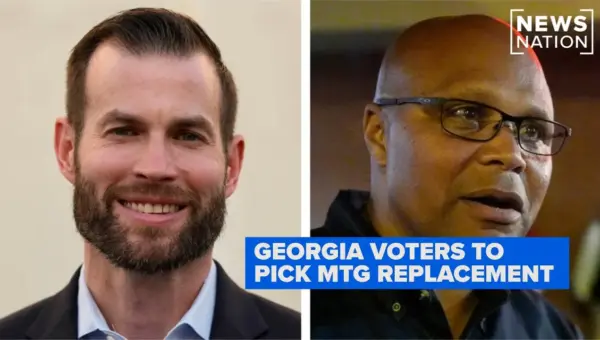
Georgia Race Tests GOP Grip on House Majority
Voters in Georgia are deciding a House seat crucial to the GOP's slim majority. Republican Clayton Fuller faces Democrat Sean Harris in a runoff. The race highlights voter concerns about affordability and local issues, testing Republican strength in a traditionally red district.