MAGA’s Big Government Gamble Shocks Voters
The Republican party's commitment to small government is being questioned as actions under the Trump administration show an embrace of large government intervention. The debate over healthcare subsidies and government shutdowns highlights a stark contrast in priorities, with potential long-term implications for American policy.

MAGA’s Big Government Gamble Shocks Voters
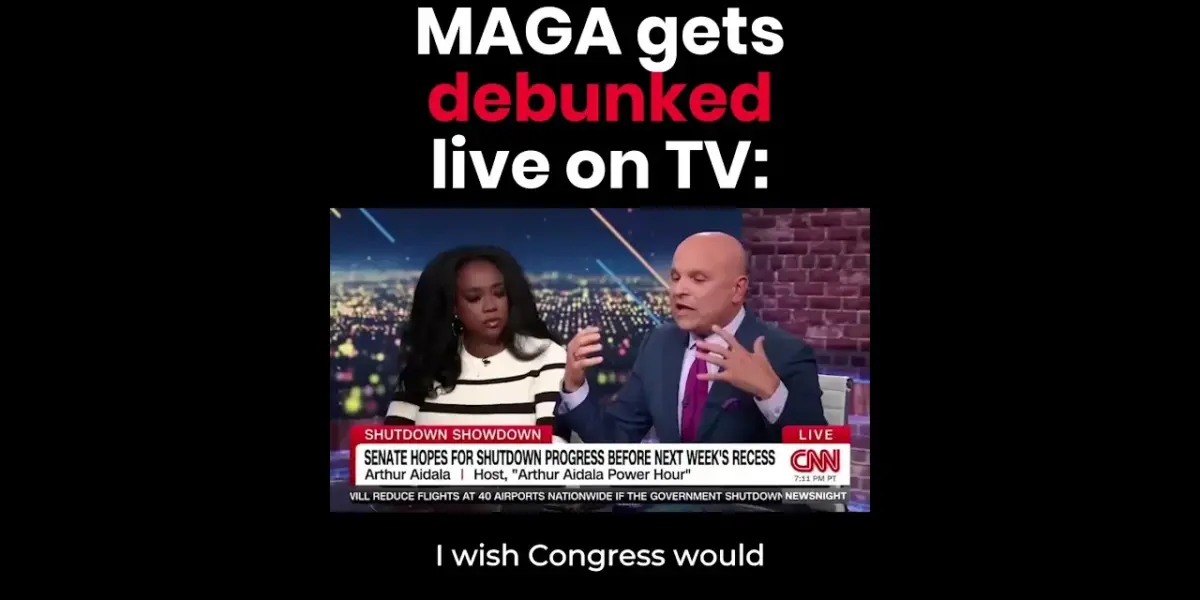
The idea that the Republican party truly stands for small government is facing serious questions. Under the Trump administration, actions have shown a surprising embrace of large government intervention. President Trump has actively taken stakes in various companies and expanded his executive power, often pushing boundaries with Congress. This approach seems to contradict the traditional Republican image of limited government.
Critics point to specific actions as evidence of this shift. Republicans have repeatedly voted to strip healthcare from millions of Americans, a move seen as directly opposing the goal of reducing government’s role in people’s lives. The current debate over a government shutdown highlights these contrasting views. Democrats are focused on protecting subsidies for the Affordable Care Act (ACA), aiming to prevent millions from losing healthcare coverage.
Healthcare at the Center of the Divide
The core of the current political struggle appears to be about healthcare access. Republicans have historically opposed permanent government credits for health insurance. Now, the urgency for Democrats stems from the imminent risk of millions losing their health coverage if action isn’t taken. This creates a clear choice for voters: a shutdown ending with President Trump’s preferred method of terminating the filibuster, or one that extends crucial healthcare benefits.
The Democratic party’s motivation to settle the shutdown is directly tied to preventing widespread healthcare disruption. History shows that government shutdowns can be long and deeply impact citizens. Some argue that lawmakers should return to their home districts to witness the suffering firsthand before making decisions in Washington.
Unlikely Allies Emerge
Interestingly, some figures within the Republican party are aligning with Democratic concerns. Marjorie Taylor Greene, for example, has spoken with her constituents and acknowledged their worries about skyrocketing health insurance premiums. This suggests that even within the party, there’s awareness of the real-world consequences of policies that could reduce healthcare access.
The debate often comes down to how these crises should be resolved. Historically, negotiations have often led to resolutions. However, the current strategy proposed by Donald Trump involves terminating the filibuster, a procedural rule that allows for extended debate and can block legislation. Democrats, meanwhile, prioritize extending healthcare credits.
A Question of Priorities
The choice presented is stark: support a move that could dismantle legislative protections and potentially end healthcare access for many, or focus on preserving and extending existing healthcare benefits. The question for voters becomes which path better serves the public interest. The focus on terminating the filibuster by one side, versus extending healthcare by the other, defines the current political battleground.
Why This Matters
This conflict is more than just a political squabble; it directly impacts the lives of millions of Americans. The Republican party’s shift away from a consistent small-government platform raises questions about their core principles and how they intend to govern. If a party historically associated with limited government is now seen to actively expand its reach and control, it challenges voters’ understanding of political ideologies.
The debate over healthcare subsidies and the ACA is a critical issue. Millions rely on these programs for essential medical care. Any policy that threatens this access has profound social and economic consequences. The potential for a long government shutdown, as seen in historical precedents, further emphasizes the need for compromise and thoughtful decision-making.
Implications and Future Outlook
The current political climate suggests a future where the definition of government roles and responsibilities will continue to be debated. The actions taken during this period could set precedents for how future legislative battles are fought and resolved. The willingness of some Republicans to acknowledge constituent concerns about healthcare costs offers a potential avenue for bipartisan cooperation, though it remains a challenging path.
The future outlook depends on whether political leaders can move beyond partisan divides to address the pressing needs of their constituents. The emphasis on either procedural maneuvers like terminating the filibuster or substantive policy like healthcare access will shape the political discourse for years to come. Voters will likely be watching closely to see which party truly prioritizes their well-being.
Source: The MAGA Strategy… (YouTube)

Related Articles

Trump’s Unpredictable Style Shakes Even Loyal Supporters
Donald Trump's unpredictable communication style, marked by controversial AI images and sharp criticisms, is unsettling even his staunchest supporters. This erratic behavior creates instability in the political environment, raising questions about its impact on upcoming elections and potential checks on his power.


GOP Exploits Grandma’s Story for Political Gain
An older woman, dubbed the 'Door Dash grandma,' has been featured in multiple Republican political events, raising questions about her story being used as a prop. While her personal struggles are real, the political use of her narrative sparks debate on ethics and authenticity in campaigning.


Trump’s All-Night Posting Binge Sparks Sanity Fears
Donald Trump's late-night posting sprees on Truth Social are raising serious questions about his cognitive health. Observers compare his erratic behavior and lack of sleep to signs of dementia, sparking national concern. The implications for leadership and stability are significant.