Trump Rages as Allies Shun His Iran Conflict
Reports indicate Donald Trump is furious as allies refuse to support his self-declared blockade of the Strait of Hormuz. The analysis suggests his increasingly contradictory statements and claims, like stopping 98.2% of drug imports, point to cognitive decline exacerbated by stress. This isolation and potential erratic decision-making pose significant global risks.

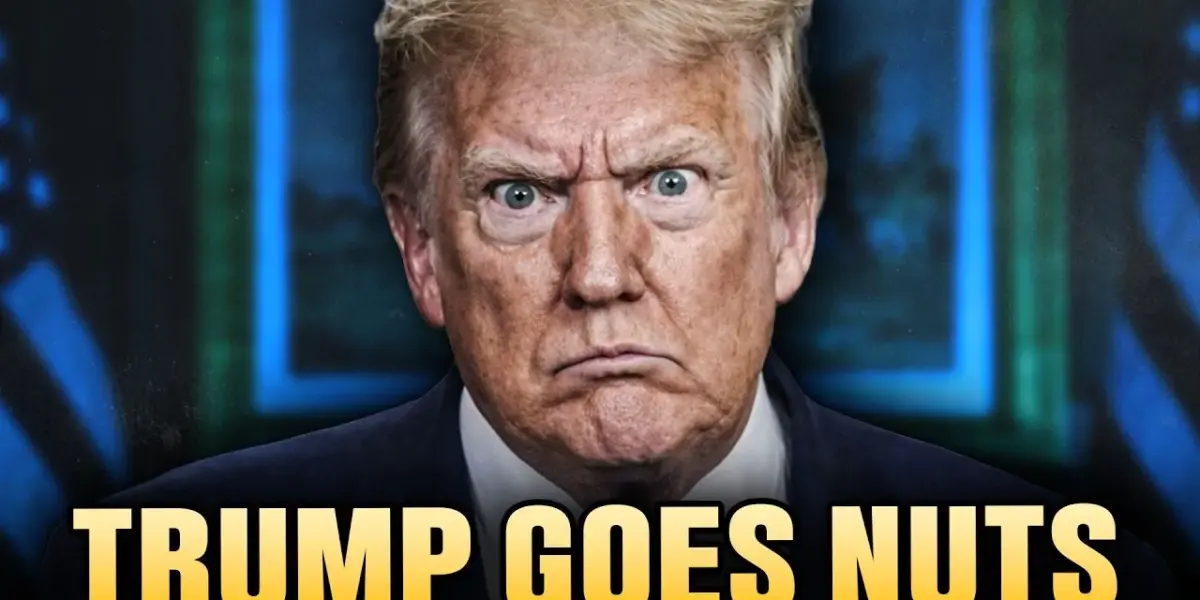
Trump Rages as Allies Shun His Iran Conflict
Reports suggest Donald Trump is growing increasingly frustrated. This frustration stems from a lack of support from traditional allies for a conflict he appears to have initiated with Iran. The situation is described as a “blockade on the block,” where Trump announced his own blockade of the Strait of Hormuz, adding to an existing Iranian blockade. This creates a complex and confusing scenario, making passage through the vital waterway impossible.
This escalating tension follows a period where Trump has reportedly been critical of many of these same allies. Countries in the EU and NATO, which he has spent considerable time insulting and undermining, are now hesitant to commit their military resources. They seem unwilling to join a conflict that Trump and Israeli Prime Minister Netanyahu may have decided to start.
A Confusing Naval Statement
Trump himself issued a statement regarding the naval situation. He claimed, “Iran’s navy is laying at the bottom of the sea, completely obliterated 158 ships.” He then added that only a small number of fast attack ships were spared because they weren’t seen as a threat. However, he issued a stern warning: “if any of these ships come anywhere close to our blockade, they will be immediately eliminated using the same system of kill that we use against the drug dealers on boats at sea. It’s quick and brutal.”
Adding to this, Trump included a postscript about drug interdiction. He stated, “98.2% of drugs coming into the US by ocean or sea have stopped.” This statistic has drawn particular attention.
Questioning the Drug Interdiction Claim
The claim of stopping 98.2% of drugs is met with skepticism. The video’s analysis points out the logical inconsistencies. If 158 ships were destroyed, and a few fast attack ships were spared, the idea that a mere handful of small boats could be responsible for nearly all maritime drug imports seems highly improbable. For this to be true, those few boats would have to be incredibly busy, carrying an astonishing amount of drugs. This suggests the statistic is likely inaccurate.
The analysis suggests that Trump is not simply lying, but engaging in what is termed “confabulation.” This occurs when someone, especially someone experiencing cognitive decline, has memory gaps. Their brain then creates new, false memories to fill those gaps. These fabricated truths are then firmly believed by the individual. This is presented as a potential explanation for the contradictory statements and inflated claims.
The Stress of Rejection
The added stress of this self-created conflict with Iran, coupled with the refusal of allies to assist, is believed to be worsening Trump’s mental state. This stress may be contributing to his increasingly alarming rhetoric. He has reportedly threatened to “end an entire civilization” and made contradictory statements, such as claiming the entire Iranian navy was obliterated, only to immediately qualify that some boats were not destroyed.
The analysis highlights direct contradictions within his statements. For example, claiming total obliteration of the navy, then excepting boats that were not obliterated, creates a logical impossibility. This is attributed to an inability to make connections or recall recent statements, a symptom of cognitive deterioration. As global rejection and humiliation mount, his mental state is expected to decline further and faster.
Why This Matters
This situation raises significant concerns about international stability and the decision-making processes of global leaders. When a leader of a major power makes potentially impulsive military decisions without broad international backing, the risks of escalation and unintended conflict increase dramatically. The apparent disconnect from reality, as suggested by the analysis of his statements, is particularly worrying. It suggests that crucial foreign policy and military decisions could be influenced by factors other than sound judgment and strategic necessity.
Historical Context and Trends
Historically, the Strait of Hormuz has been a critical chokepoint for global oil supply. Any disruption there can have significant economic consequences worldwide. The current tension echoes past standoffs in the region, but the added layer of a leader seemingly acting unilaterally and facing internal cognitive challenges introduces a new, volatile element. The trend of leaders making bold, often unverified, claims on social media or in public statements is also relevant. This can shape public perception and put pressure on allies, sometimes to their detriment.
Implications and Future Outlook
The refusal of allies to join a U.S.-led military action in the Strait of Hormuz signals a potential shift in global alliances and a growing reluctance to be drawn into conflicts perceived as unilateral or unnecessary. For the United States, this could mean increased isolation on certain foreign policy fronts. For the broader international community, it underscores the challenges of maintaining a united front on security issues, especially when leadership is perceived as erratic.
The future outlook suggests continued volatility in the region. If Trump’s mental state deteriorates further under stress, his pronouncements and actions could become even more unpredictable. This creates a dangerous environment where miscalculations could have severe consequences. The reliance on potentially flawed or fabricated statistics, as seen in the drug interdiction claim, further muddies the waters, making it difficult to assess the true situation and the rationale behind policy decisions.
Source: Trump Goes Nuts As Allies Refuse To Help Him (YouTube)

Related Articles

MAGA’s Big Government Gamble Shocks Voters
The Republican party's commitment to small government is being questioned as actions under the Trump administration show an embrace of large government intervention. The debate over healthcare subsidies and government shutdowns highlights a stark contrast in priorities, with potential long-term implications for American policy.
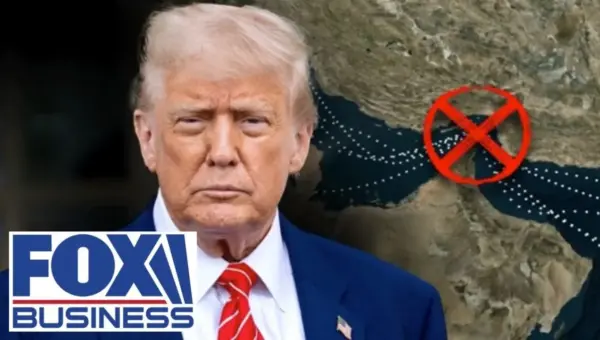
US Holds Military Edge Over Iran, Analyst Says
The U.S. holds a significant military advantage over Iran, with diplomatic pressure and troop deployments aimed at curbing Tehran's nuclear ambitions. Analysts believe this posture is pushing Iran towards capitulation, leading to a drop in oil prices and easing supply concerns.
Oil Prices Dip Amid Iran Port Blockade Fears
Oil prices dipped to $94 a barrel as Iran faces a U.S. blockade on its ports, sparking fears of wider conflict. The International Energy Agency warns of the largest fuel disruption in history. Geopolitical discussions highlight U.S. negotiation strength, while markets show a cautiously positive tone.