Investor Shifts 25% of Portfolio From Treasuries
An investor is making major changes to his portfolio, selling nearly all real estate due to regulatory burdens. He is increasing stock and Bitcoin investments while reducing his large cash and treasury holdings, prioritizing simplicity and liquidity.

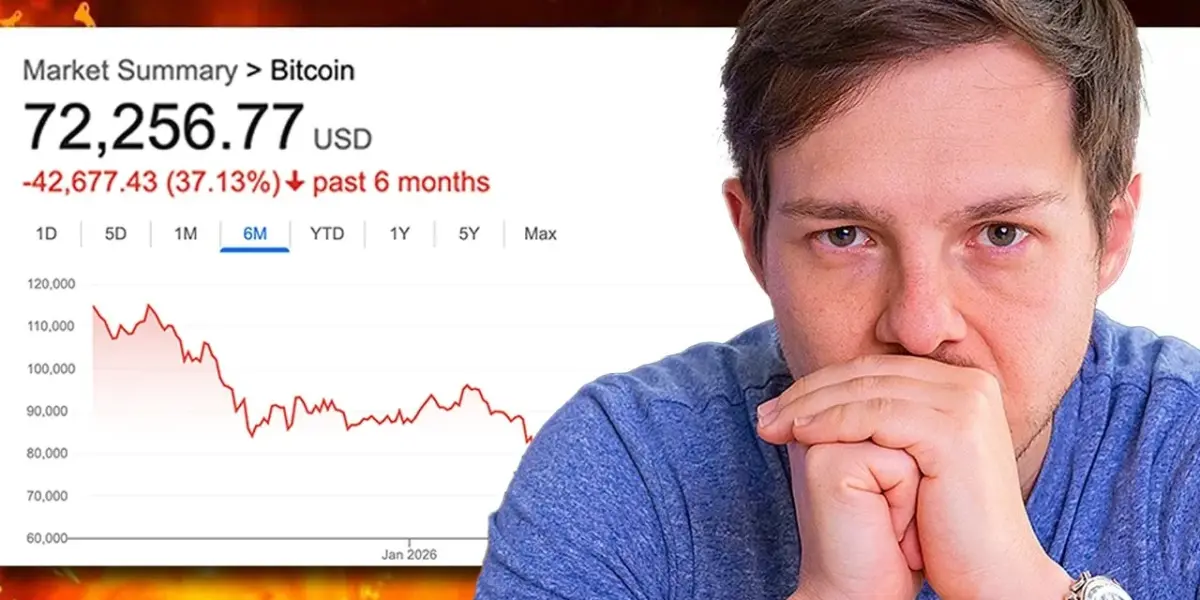
Investor Overhauls Strategy, Cuts Real Estate Holdings
A prominent investor has announced a significant shift in his investment strategy, moving substantial assets out of real estate and into other areas like stocks and Bitcoin. This change comes after realizing his previous approach was no longer serving his financial goals, highlighting the need for regular portfolio reviews.
Stock Market Allocation Increased
For over a decade, the investor consistently put money into an S&P 500 index fund daily, a strategy that performed very well. However, he is now increasing his investment in the stock market, even with current market uncertainties. He believes that waiting for market dips has historically led to missed opportunities. Instead, he is now investing more of his monthly income into stocks and views any price drop as a chance to buy more.
International diversification is also a key part of his stock portfolio, making up 28% of his total investments. This area has recently shown strong performance, with a year-over-year gain of 38%, outperforming the S&P 500’s 29%. He sees potential for growth in international markets and emerging economies, viewing this as a hedge against U.S. market performance.
Real Estate Holdings Sold Off
In a dramatic move, the investor is selling nearly all of his real estate properties, except for his primary residence. He cites overwhelming challenges for small landlords in areas like Los Angeles and California. These challenges include rapidly rising insurance and repair costs, which have more than doubled and tripled, respectively. Additionally, strict regulations and a litigious environment have made property management extremely difficult and expensive.
The investor explained that legal fees and the time involved in dealing with tenant issues, even minor ones, have become prohibitive. He noted that evicting a non-paying tenant, which once cost about $1,500 and took 60 days, could now cost $50,000 to $60,000 and take much longer. Despite current property values being strong, he feels selling is the best option due to the high risks and low returns compared to safer investments like government treasuries.
Bitcoin Allocation Adjusted
Bitcoin is another area seeing increased attention. The investor has been dollar-cost averaging into a Bitcoin ETF for several years, viewing it as an investment he’s willing to lose. He is now using the current market conditions, where Bitcoin is down about 50% from its peak, to increase his allocation. He believes that increased institutional adoption is making Bitcoin less volatile and more of a portfolio efficiency tool.
His reasoning for increasing Bitcoin exposure includes rising government deficits and national debt worldwide. He sees the asymmetric upside of holding Bitcoin for diversification as too compelling to ignore, even with the risk that it could become worthless. He views it as a small but important part of his overall strategy.
Cash and Treasuries Position Reduced
Surprisingly, cash and government treasuries now make up about 25% of his portfolio, invested in tax-free municipal bonds and government treasuries yielding around 4.2% and 3.5%, respectively. While this provides safety, he admits this position has become too large given his actual spending needs. His mindset has shifted from aggressive growth to capital preservation.
He acknowledges that holding 25% in cash and treasuries is excessive and is now deploying more of this money into other investments. This represents a shift from a defensive stance to a more balanced approach, moving funds from overly conservative holdings into areas with higher growth potential.
Collectible Investments
The investor also discussed his investments in collectibles, including cars and artwork. He shared that a 2005 Ford GT he purchased has increased in value by 65%, performing similarly to the S&P 500. However, a 2010 Tesla Roadster investment resulted in a 30% loss, highlighting the unpredictable nature of collectible markets.
He views cars primarily as lifestyle purchases, where enjoyment is the main benefit, with any appreciation being a bonus. For artwork, he focuses on niches like early Disney animation sketches and items related to The Nightmare Before Christmas. He also mentions collecting watches as another area where some pieces have performed well. These are treated more as hobbies with the potential for financial gain.
Private Equity Regrets
Finally, he expressed significant regret over his investments in private equity. He invested in early-stage companies six years ago, but the illiquid nature of these investments has been a major drawback. Funds are locked up for years, ownership percentages can decrease due to dilution, and selling on the secondary market often requires steep discounts.
The investor emphasizes the importance of simplicity and liquidity in a portfolio. He advises against making a portfolio too complex, stressing that it should help one live life without constant worry. His current strategy focuses on reducing complexity, increasing liquidity, and ensuring his investments work for him, rather than the other way around.
Market Impact
This investor’s strategy shift reflects a broader trend of reassessing traditional asset allocations in the current economic climate. The move away from real estate in certain highly regulated markets signals potential headwinds for property investors in those areas. Increased allocation to stocks, particularly international and emerging markets, suggests a growing confidence in global growth opportunities. The continued interest in Bitcoin, despite its volatility, points to its increasing acceptance as a legitimate, albeit high-risk, diversification tool.
Reducing a significant portion of cash and treasury holdings, even while maintaining a focus on capital preservation, indicates a belief that safer assets may not offer sufficient returns to outpace inflation or meet long-term goals. The investor’s candid discussion about private equity highlights the risks associated with illiquid investments and the importance of understanding lock-up periods and exit strategies. For individual investors, his experience underscores the necessity of periodically reviewing one’s portfolio to ensure it aligns with changing life circumstances, risk tolerance, and market conditions.
Source: I F*D Up – My NEW Investing Strategy For 2026 (YouTube)

Related Articles

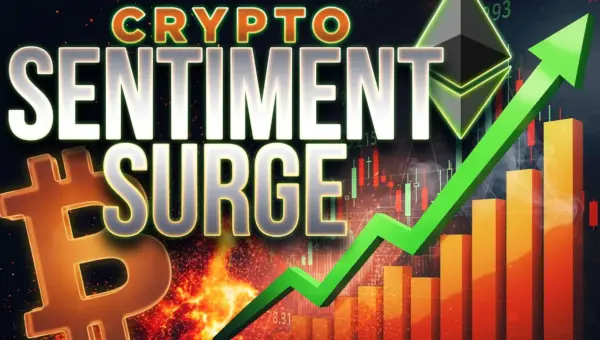
Crypto Market Roars Back Amid Geopolitical Calm
Cryptocurrency markets are experiencing a surge in optimism, driven by easing geopolitical tensions and positive economic signals. Bitcoin has rallied, and traditional markets are also showing strength, indicating a broad shift in investor sentiment. Regulatory clarity and a generational wealth transfer are further supporting the positive outlook for digital assets.


US Blocks Iranian Ports Amid Tensions; Stocks Rally
Tensions rise as the US implements a blockade on Iranian ports, drawing strong criticism from China and accusations of piracy from Iran. Global markets react with fluctuating oil prices and a resilient stock market. Meanwhile, domestic politics sees resignations amidst misconduct allegations and ongoing debates over government funding and war powers.
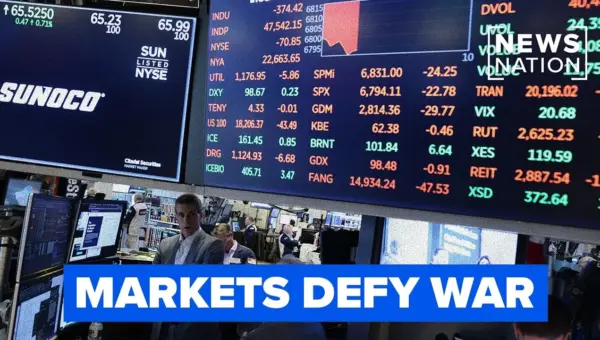
Markets Defy War Fears as Oil Prices Fluctuate
Wall Street rallied and erased Iran war losses as oil prices fluctuated near $100 a barrel. Despite market gains, Americans face higher gas prices, with a U.S. blockade of the Strait of Hormuz potentially worsening inflation. The Producer Price Index report is closely watched for future inflation signals.