Ukraine Strikes Deep, Russia’s Defense Crumbles
Ukraine's deep strikes into Russia are exposing critical weaknesses in Moscow's defenses and economy. Russia's military struggles with outdated equipment and rising losses, while its population faces severe economic hardship. The Kremlin's inability to protect key infrastructure raises serious questions about President Putin's leadership and the stability of his regime.

Ukraine Strikes Deep, Russia’s Defense Crumbles
Ukraine is increasingly striking deep inside Russia, hitting key industrial sites and export hubs. These attacks are exposing significant weaknesses in Russia’s ability to defend its territory. The Kremlin appears unable to stop these strikes, raising serious questions about President Vladimir Putin’s leadership and the stability of his regime.
Deep Strikes Target Russia’s Core
Recent Ukrainian attacks have targeted critical infrastructure deep within Russian borders. One notable strike hit the Cherupovitz chemical complex, a facility producing materials for both military and civilian use. This was not the first time Ukraine struck this site, highlighting Russia’s struggles to protect even vital industrial assets. Another key target was the port of Luga, a major hub for Russian oil and gas exports. Ukraine has hit this facility multiple times, disrupting Russia’s energy sector, which is crucial to its economy. The loss of these export capabilities significantly impacts Russia’s revenue.
Air Defense Imbalances Revealed
The vulnerability of these sites is underscored by the defensive measures, or lack thereof, seen across Russia. Reports indicate that President Putin’s personal residence in Valdai is heavily protected by around 27 air defense systems. In contrast, all of Moscow has only about 68 such systems. This stark imbalance suggests that Putin prioritizes his personal security over protecting vital economic infrastructure, like oil export facilities. This decision is seen as a clear sign that the government is not adequately protecting the nation’s interests.
Economic Strain on Russian Populace
The war’s impact is increasingly felt by ordinary Russians. Many are struggling to afford basic necessities, with a significant percentage reporting they have to save money just to buy food. Russians are often forced to choose cheaper goods based on promotions and discounts rather than what they actually need or want. This economic hardship is a direct consequence of the war and the resulting international sanctions. Russia’s economy is also suffering from declining exports in key sectors like iron ore, timber, pulp, and chemicals. The ongoing Ukrainian drone strikes on oil and gas facilities further exacerbate these economic problems, driving up costs for fuel and other products.
Military Capabilities Lag Behind
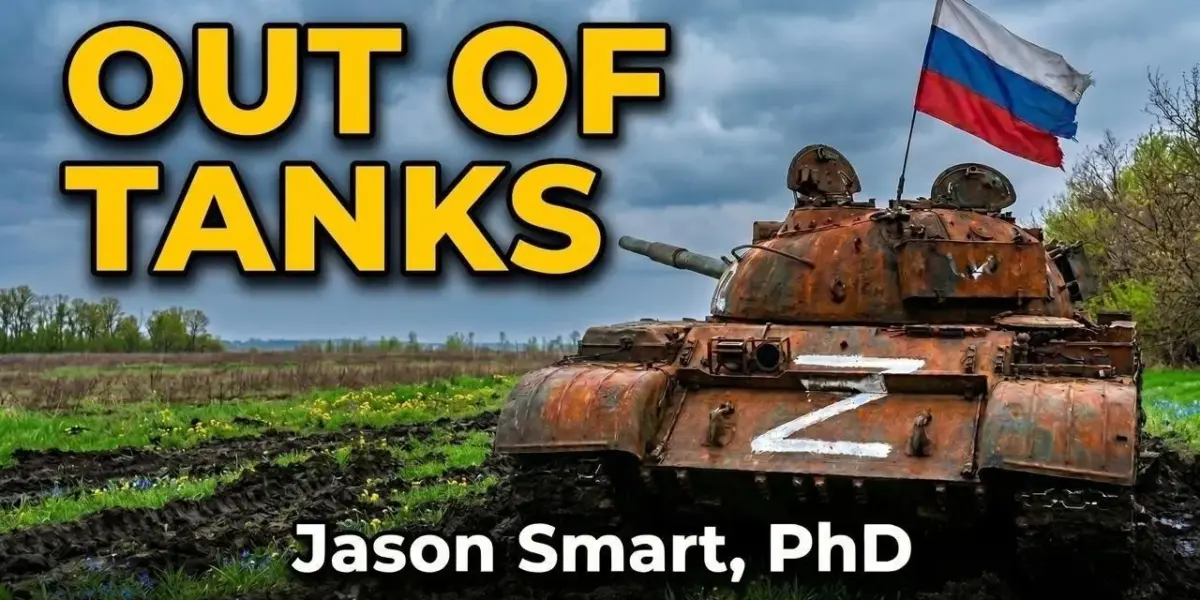
Russia’s military appears to be struggling with outdated equipment and a lack of modern technology. The country is reportedly trying to restore old Soviet-era Antonov An-2 aircraft, but progress is slow. This indicates a deficiency in maintaining even older equipment, let alone developing modern capabilities to compete with advanced Western systems like the F-16 fighter jets that Ukraine may receive. Russia is increasingly relying on older tanks, such as the T-62, which were first introduced during the presidency of John F. Kennedy. This reliance on technology from the 1960s and earlier contrasts sharply with Ukraine’s efforts to acquire and utilize more modern weaponry.
Shrinking Territorial Gains and Rising Costs
Russia’s ability to make territorial gains in Ukraine has dramatically decreased. In just a few months, the amount of territory Russia captured has fallen by over 90%. At the same time, the cost in terms of personnel and equipment losses per square kilometer has significantly increased. Russia is facing substantial losses of tanks, armor, and artillery. The country is now reportedly struggling to find enough soldiers, with measures being considered to send students from universities and employees from companies to the front lines. This situation is unsustainable and points to a collapsing military effort.
Elite Discontent and Regime Instability
The ongoing failures and mounting losses are causing discontent among Russia’s elite. Many are reportedly seeking to leave the country and take their money with them. This capital flight is a serious concern for the Kremlin, which is already facing challenges in maintaining financial stability. There are signs of potential bank runs, as the government is making it harder for people to withdraw large amounts of cash. Such a scenario could destabilize the regime. The situation is compounded by reports of the Russian government prioritizing the development of new poisons over addressing the food security needs of its own population. This focus on such dark practices, alongside the military and economic failures, suggests a regime under immense pressure.
Strategic Implications
Ukraine’s ability to strike deep into Russia and its success in disrupting key economic sectors are strategically significant. These actions weaken Russia’s war-fighting capacity and its economic resilience. The apparent inability of Russian air defenses to protect critical infrastructure, while prioritizing Putin’s personal security, sends a message of weakness both domestically and internationally. The economic hardship faced by ordinary Russians could lead to increased internal dissent, further pressuring the Putin regime. The military’s reliance on outdated equipment and heavy losses suggest a long-term struggle for Russia to sustain its operations. The combination of military setbacks, economic strain, and elite dissatisfaction points to a regime in a precarious position, potentially nearing a critical breaking point.
Source: Putin Just Opened Russia to Attack (YouTube)

Related Articles

Ukraine Strikes Russian Ports; US Allies Fear Wider Conflict
Ukraine's escalating drone and missile strikes on Russian oil ports are stretching Moscow's defenses and impacting global energy markets. Meanwhile, internal political shifts in the U.S. and Europe suggest a potential realignment away from supporting Ukraine.


US Blockade of Iran Risks War: Is This the New Normal?
A US blockade of Iranian oil shipments could escalate into a full-blown act of war, warns an analysis. This move risks not only regional conflict but also a significant spike in global oil prices, potentially reaching $120 per barrel. The implications for international stability and the global economy are profound.

Canada Charts New Course, Ditching US Ties
Canada is forging a new path toward economic independence from the United States under Mark Carney's leadership. New policies aim to ease the cost of living, boost the energy sector, and make home ownership more accessible, signaling a strategic decoupling from American economic pressures.