US Holds Military Edge Over Iran, Analyst Says
The U.S. holds a significant military advantage over Iran, with diplomatic pressure and troop deployments aimed at curbing Tehran's nuclear ambitions. Analysts believe this posture is pushing Iran towards capitulation, leading to a drop in oil prices and easing supply concerns.

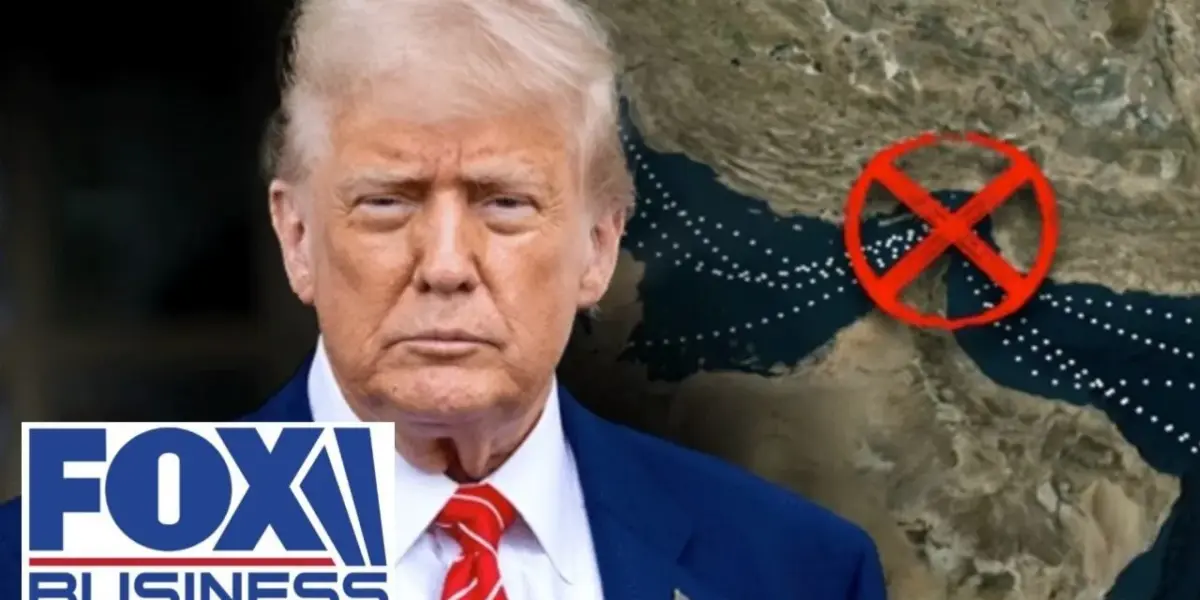
US Poised for Advantage in Iran Standoff, Analyst Asserts
Recent diplomatic efforts with Iran have hit a snag, with U.S. Vice President J.D. Vance walking away from talks in Pakistan. The core issue remains Iran’s nuclear program. The United States is firm on its demand that Iran dismantle its nuclear activities. President Trump has indicated a willingness to monitor Iran’s remaining nuclear program to ensure it cannot be used for weapons development. The U.S. is seeking the removal of enriched uranium and full compliance from Iran.
This diplomatic push is happening alongside a significant military presence in the region. The U.S. has not withdrawn troops; instead, it is moving more forces into the Middle East. This strategy appears to combine an open hand for diplomacy with the leverage of a blockade and troop deployment.
Trump’s Firm Stance on Nuclear Deal
President Trump has been unequivocal about the nuclear negotiations. “We agreed to a lot of things but they didn’t agree to that,” he stated, referring to Iran’s nuclear ambitions. He expressed strong confidence that Iran will eventually agree, adding, “There will never be a deal, Iran will not have a nuclear weapon and we will get the dust back. We will get it back from the more we will take it.” This suggests a determined approach to prevent Iran from acquiring nuclear arms.
Potential for Direct Action
The possibility of direct military action, or “boots on the ground,” in Iran has been raised. While not the preferred outcome, it is considered a potential step if diplomatic channels fail. The U.S. has demonstrated its capability for such operations. The recent downing of an F-16 plane in Iran prompted two separate extraction operations, requiring different weapon systems and troops. These missions showcased the U.S. ability to deploy forces safely and effectively within Iran.
This capability aims to show Iran that the U.S. can forcibly extract materials if necessary. It could increase President Trump’s confidence that the U.S. has the means to act if Iran remains uncooperative. The message is clear: the U.S. military is prepared to retrieve what it deems essential.
Market Reaction and Investor Outlook
The current situation appears to be having a calming effect on oil markets. Oil prices have fallen to $93 a barrel. Several oil tankers have successfully passed through the Strait of Hormuz, a critical waterway. Proposed talks for Thursday might further ease tensions. Business activity in Iran seems to have slowed, possibly due to the pressure from international actions.
This scenario is viewed positively by some analysts. The involvement of European nations in securing the Strait of Hormuz is seen as beneficial. While diplomacy is challenging, the goal of keeping the Strait open is paramount. President Trump’s decision to deploy ships to the region is seen as a bold move that has put Iran on the defensive.
Overwhelming U.S. Military Advantage
The overarching assessment is that the United States holds a significant military advantage over Iran. This overwhelming superiority is expected to compel Iran to eventually concede. The U.S. strategy is multifaceted, aiming to lower oil prices while pushing for a resolution on Iran’s nuclear program. The combination of diplomatic pressure, economic sanctions, and clear military readiness positions the U.S. favorably in this complex geopolitical situation.
Market Impact
The current geopolitical climate, particularly concerning Iran’s nuclear program and regional stability, directly impacts global energy markets. Falling oil prices to $93 a barrel suggest that markets are pricing in a reduced risk of major supply disruptions from the Strait of Hormuz. The successful passage of ships through this vital chokepoint indicates that current U.S. and allied actions are effectively maintaining freedom of navigation.
What Investors Should Know
For investors, the situation highlights the importance of monitoring geopolitical risk in energy-producing regions. The perceived U.S. advantage and Iran’s apparent economic slowdown suggest a potential de-escalation of immediate conflict, which is generally positive for markets sensitive to oil price volatility. However, the underlying issues, particularly Iran’s nuclear ambitions, remain unresolved. Investors should watch for any shifts in diplomatic progress or potential escalations that could quickly alter the market outlook. The U.S. military’s demonstrated capability for intervention also means that the potential for sudden disruptions, though perhaps less likely now, cannot be entirely dismissed.
The ongoing tension underscores the strategic importance of the Middle East for global energy supplies. As the U.S. maintains its assertive stance, the market will likely continue to factor in this geopolitical risk premium, even as immediate supply fears subside. The long-term implications depend on whether diplomatic solutions can be found or if the standoff persists, potentially leading to further economic pressure on Iran and continued vigilance in the region.
Source: 'CORNERED': US has all of advantage against Iran, analyst says (YouTube)

Related Articles
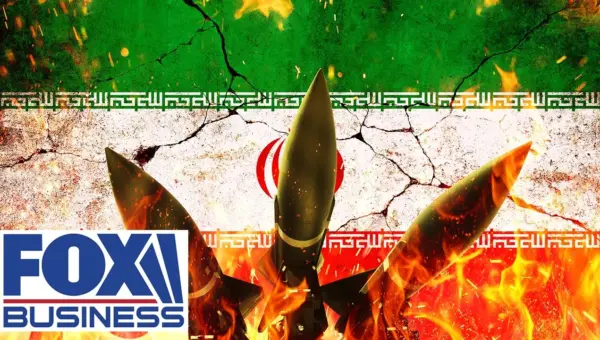
Oil Prices Dip Amid Iran Port Blockade Fears
Oil prices dipped to $94 a barrel as Iran faces a U.S. blockade on its ports, sparking fears of wider conflict. The International Energy Agency warns of the largest fuel disruption in history. Geopolitical discussions highlight U.S. negotiation strength, while markets show a cautiously positive tone.

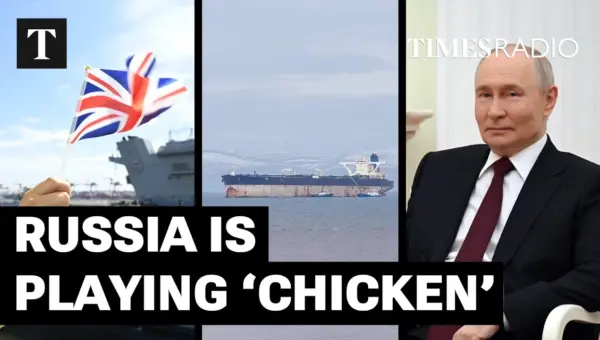
Russia Adds Armed Guards to Ships Near UK Coasts
Russia is reportedly deploying armed personnel on ships near British coasts, creating strategic ambiguity and increasing the risk of confrontation. Experts suggest this tactic aims to deter British forces from boarding sanctioned Russian oil tankers, making decision-making more complex for UK authorities.

Crypto Market Roars Back Amid Geopolitical Calm
Cryptocurrency markets are experiencing a surge in optimism, driven by easing geopolitical tensions and positive economic signals. Bitcoin has rallied, and traditional markets are also showing strength, indicating a broad shift in investor sentiment. Regulatory clarity and a generational wealth transfer are further supporting the positive outlook for digital assets.