US Ceasefire Aims to Mend Aging Air Fleet
The ongoing U.S.-Iran ceasefire negotiations face deadlock, threatening a renewal of hostilities. The U.S. faces critical challenges maintaining its aging aerial refueling fleet, while Iran may be rebuilding its air defense capabilities. The situation highlights U.S. stockpile concerns and potential Chinese involvement.

US Ceasefire Aims to Mend Aging Air Fleet
Negotiations between the United States and Iran have stalled, with a two-week ceasefire appearing unlikely to continue. The United States has initiated a blockade of the Strait of Hormuz to counter Iran’s attempts to impose tolls on passage. This breakdown in talks raises the question of which side truly benefits from the recent period of calm.
Discussions in Pakistan reportedly lasted 21 hours before reaching a deadlock. The Strait of Hormuz, a critical global shipping route, has remained largely closed by Iran. In response, the U.S. is blocking ships attempting to pay Iran to bypass the closure. This situation is described as “unsustainable” by observers.
Understanding Ceasefires and Power Dynamics
Ceasefires do not automatically resolve underlying conflicts. For any agreement to last, its terms must reflect the real balance of power between nations. Leaders often claim ceasefires benefit their rivals more than themselves, a common narrative heard in contexts like the war in Ukraine. However, in international relations, power is often seen as a zero-sum game: one nation’s gain is another’s loss.
The reality is that only one side can emerge militarily stronger from a period of reduced hostilities. Analyzing the actual military situation on the ground is crucial, rather than relying solely on public statements from leaders. When power shifts are significant, it can make lasting deals difficult, as seen in the protracted conflict in Ukraine. Compensating the losing side with greater concessions upfront is often necessary to secure an agreement.
U.S. Faces Critical Refueling Challenges
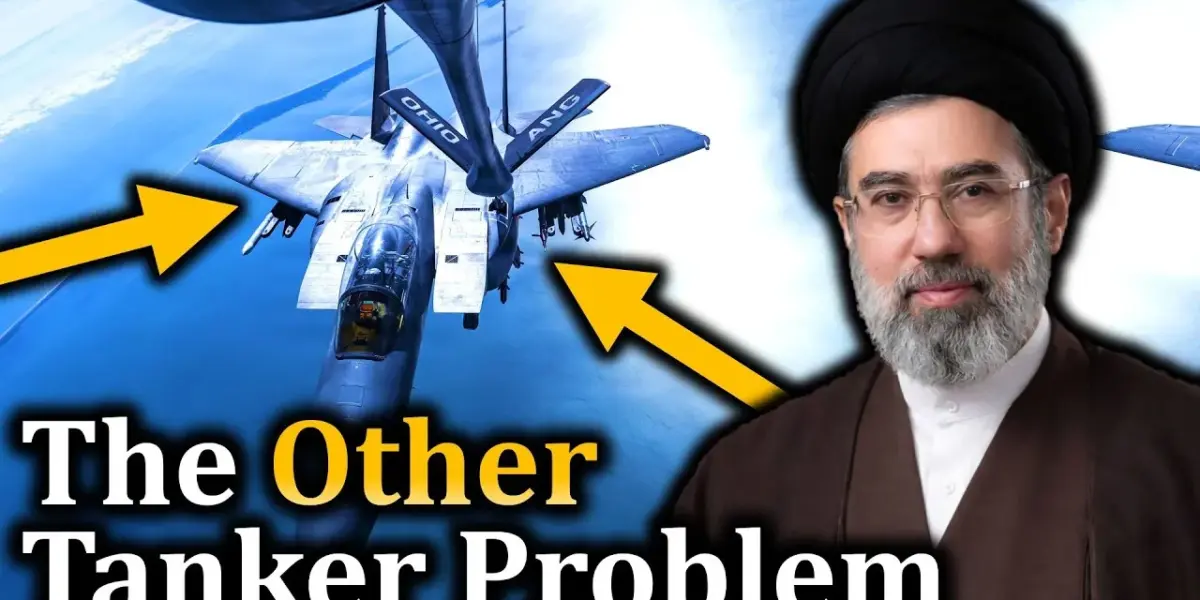
A major concern for the United States is maintaining sufficient flight hours for its aerial operations. While depleted munition stockpiles were an initial worry, the ability to keep aircraft in the air is equally vital. The U.S. Air Force relies heavily on refueling aircraft, like the KC-135 Stratotanker, to extend the operational range and endurance of fighter jets. These tankers allow planes to refuel mid-air, reducing the need for frequent returns to base.
The KC-135 fleet is aging, with the last models produced in 1965. Despite numerous upgrades over the decades, these aircraft face significant wear and tear. Major repairs often require sending them back to Tinker Air Force Base in Oklahoma. This logistical challenge limits the number of aircraft available for operations. The U.S. is gradually introducing the newer KC-46 Pegasus as a replacement, but the transition is slow.
The current ceasefire may have been intended to provide the U.S. with time to service its aging tanker fleet and rest other aircraft. This would allow for a revitalized Air Force once hostilities resume. However, the effectiveness of this strategy depends on what Iran does during the pause.
Iran’s Hidden Strengths and Strategic Questions
Assessing Iran’s situation during the ceasefire is more challenging due to a lack of public information. While Iran will likely need time to rebuild its weapons production facilities and supply chains, this may not significantly alter the ceasefire’s impact on its military readiness in the short term.
A more critical question is how many advanced weapons, particularly anti-aircraft systems, Iran may have kept in reserve. If Iran deployed all its available assets, the ceasefire offers little advantage. However, if significant stockpiles remain hidden, it presents a considerable challenge for potential U.S. air campaigns. The initial step in any air war involves neutralizing enemy air defenses. This allows friendly aircraft to operate freely and strike other targets.
For air-to-ground operations, the U.S. often uses weapons like Tomahawk cruise missiles. These missiles can strike targets from a distance, making them effective against enemy air defenses. However, U.S. Tomahawk stockpiles are a concern, especially given potential future conflicts, such as in the Indo-Pacific. If the ceasefire allows Iran to prepare its air defenses, the U.S. might be forced to expend its limited Tomahawk supply.
In contrast, weapons like Joint Direct Attack Munitions (JDAMs) are considered to have a nearly limitless supply. During sustained strikes, U.S. intelligence could identify targets for JDAMs, preserving Tomahawks. A lengthy pause, however, could force a trade-off, using valuable Tomahawks against re-emerging Iranian air defenses instead of more plentiful JDAMs.
Broader U.S. Stockpile Concerns and China’s Role
The U.S. military’s experience in the initial 40-day phase of the Iran conflict, described as intense but not extreme, revealed significant gaps in Tomahawk stockpiles. This raises questions about the sufficiency of these stockpiles for a larger potential conflict, such as against China. Decades of underinvestment in arms production have created these shortages.
Both the Trump and Biden administrations have been cautious about supplying weapons, partly due to these existing concerns. The U.S. could face significant challenges if China were to initiate military action in the near future. Future U.S. readiness will depend on increased investment and production decisions made in response to current conflicts.
Adding another layer of complexity, China is reportedly looking to supply Iran with more anti-aircraft systems, particularly portable ones. A ceasefire that allows open skies would facilitate such transfers, potentially through naval routes or via intermediaries like Russia. While this complicates the situation, it may not be the deciding factor in the ceasefire negotiations.
Strategic Implications: A Difficult Choice for Washington
The claim that ceasefires hurt a nation’s chances if fighting restarts is largely a negotiation tactic. Practically, the U.S. benefits from a pause to service its aging tanker fleet. However, this comes with the risk that Iran could re-establish its anti-aircraft capabilities.
The U.S. faces a difficult choice. It could accept Iran rebuilding its air defenses, despite the potential future cost in Tomahawk missiles. This scenario implies the U.S. finds the current terms of the negotiations unfavorable, especially with the Strait of Hormuz remaining closed. Such a situation would be the worst of both worlds for Washington.
Ultimately, something must change. Iran might concede on the Strait of Hormuz, allowing normal international traffic. Alternatively, the United States could restart hostilities sooner than expected. The U.S. may also wait to see if its counter-blockade proves effective. However, a prolonged ceasefire coupled with a closed Strait appears untenable for U.S. interests.
Source: Ceasing the Ceasefire: Who Benefits More from the War’s Pause? (YouTube)

Related Articles


US Blockade of Iran Ports Shows Limited Impact Amid Diplomacy
The U.S. blockade of Iran's ports is showing limited impact, with Iranian vessels still navigating the Strait of Hormuz. Meanwhile, high-stakes diplomatic talks between the U.S. and Iran regarding Iran's nuclear program are underway, alongside historic discussions between Israel and Lebanon.


Iran Talks Advance: US Navy Blockade Tests Iran’s Nuclear Stance
New U.S.-Iran peace talks may start this week, aiming to resolve nuclear concerns before a ceasefire expires. A U.S. naval blockade adds pressure, with Vice President Vance stating the ball is in Iran's court. This marks a critical juncture in long-standing regional tensions.
China Slams US Blockade of Iran as ‘Dangerous’
China has strongly condemned the U.S. blockade of Iranian ports as "dangerous and irresponsible," warning it will escalate regional tensions. The move comes as diplomatic efforts continue, with potential new talks between the U.S. and Iran being considered amid a looming ceasefire deadline. Meanwhile, high-level talks are also underway between the U.S., Israel, and Lebanon.