Oil Prices Dip Amid Iran Port Blockade Fears
Oil prices dipped to $94 a barrel as Iran faces a U.S. blockade on its ports, sparking fears of wider conflict. The International Energy Agency warns of the largest fuel disruption in history. Geopolitical discussions highlight U.S. negotiation strength, while markets show a cautiously positive tone.

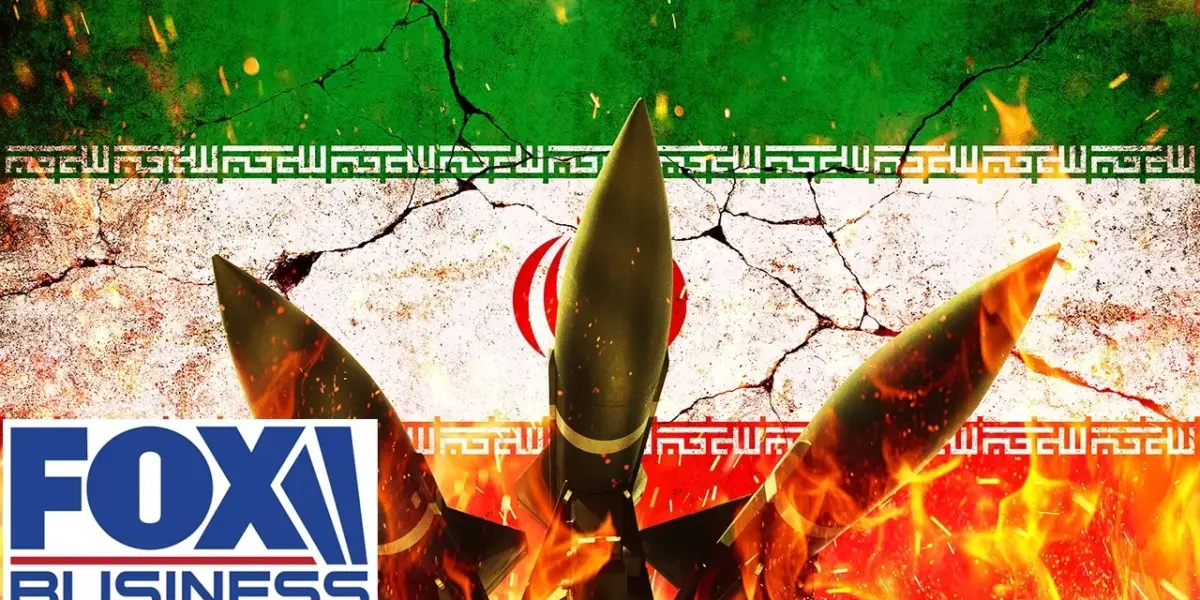
Oil Prices Fall as Iran Faces Port Blockade
Oil prices experienced a notable drop today, falling to $94 a barrel after briefly trading at $93. This movement comes amid escalating tensions in the Middle East, where Iran has warned that the entire Persian Gulf could face repercussions if its ports are threatened. The United States has implemented a blockade, preventing ships from entering or exiting Iranian ports, though vessels not directly tied to Iran can still pass through the Strait of Hormuz.
Reports indicate that in the last 24 hours, no ships have successfully navigated past the blockade from Iranian ports. However, the U.S. has clarified that the blockade does not encompass the entire Strait of Hormuz. Despite initial denials, a Chinese-owned ship and three other oil tankers were reportedly allowed to cross today, suggesting a selective enforcement of the blockade.
Global Fuel Disruption Intensifies
The International Energy Agency (IEA) issued a stark warning today. It stated that ongoing attacks on energy infrastructure in the Middle East, combined with restrictions on tanker movements through the Strait of Hormuz, have caused the most significant fuel disruption in history. These disruptions have heavily impacted jet fuel supplies. The agency forecasts that if the current situation persists, consumers in the United States could face fuel scarcity and higher prices at the pump.
This marks the second day of the U.S. blockade, with no major incidents reported so far. The situation remains fluid, with updates expected as developments unfold in the region.
Geopolitical Strategy and Negotiation Tactics
The current geopolitical climate has also sparked discussion about negotiation strategies with Iran. Senator JD Vance commented on recent peace talks, suggesting that the U.S. gained insights into Iran’s negotiation style. He noted that the Iranian team appeared to require approval from higher authorities in Tehran for any proposed deal, indicating a potential bottleneck in their decision-making process. Vance believes the ball is now in Iran’s court to respond to the terms presented.
Senator Bill Hagerty echoed this sentiment, questioning the effectiveness of negotiating with a country whose statements are often viewed with skepticism. He highlighted Iran’s weakened economic and military standing, suggesting that the U.S. holds a strong hand. Hagerty emphasized that the current administration will not be swayed by Iranian tactics, drawing a contrast with previous administrations. He stated clearly that Iran will not be allowed to develop nuclear capabilities, setting firm boundaries.
Market Reaction and Investor Outlook
Despite the geopolitical tensions, financial markets showed a positive tone this morning, with oil prices declining. This suggests that investors may be pricing in a de-escalation or a scenario where the U.S. blockade effectively pressures Iran’s economy without triggering a wider conflict.
Senator Hagerty believes the blockade will have significant consequences for Iran’s economy, urging the regime to acknowledge the demands and cease its actions. He sees this as the only viable path forward for Iran.
Domestic Policy Debates Continue
Separately, discussions in Congress are focusing on homeland security funding following a two-week recess. A deal to reopen the government remains elusive, with Republicans expressing frustration over the Democrats’ stance on issues such as funding for law enforcement and immigration enforcement. Republicans plan to pursue a reconciliation package to secure funding for departments, asserting that they will not agree to proposals that they believe would weaken border security or support reduced police funding.
What Investors Should Know
The situation in the Strait of Hormuz is a critical factor for global energy markets. Any disruption in this key shipping lane can lead to significant price volatility for oil and refined products like jet fuel. The current blockade, while selective, has already contributed to historical fuel disruptions according to the IEA. Investors should monitor geopolitical developments closely, as they can directly impact energy supply chains and, consequently, inflation and economic growth worldwide. While markets showed some resilience today, the potential for further escalation remains a key risk. The effectiveness of the U.S. blockade in influencing Iran’s economic behavior, without triggering a broader conflict, will be crucial in determining future market stability.
Source: DIRECT THREAT: Iran warns ENTIRE Gulf could be targeted (YouTube)

Related Articles
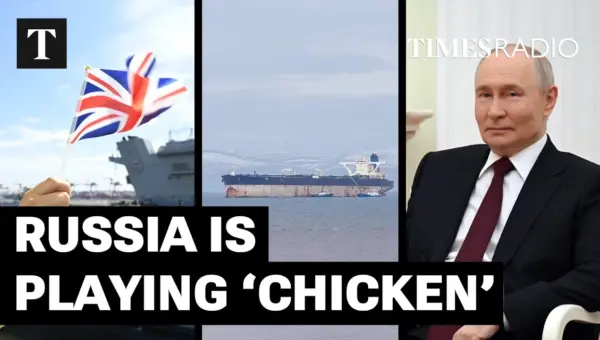
Russia Adds Armed Guards to Ships Near UK Coasts
Russia is reportedly deploying armed personnel on ships near British coasts, creating strategic ambiguity and increasing the risk of confrontation. Experts suggest this tactic aims to deter British forces from boarding sanctioned Russian oil tankers, making decision-making more complex for UK authorities.

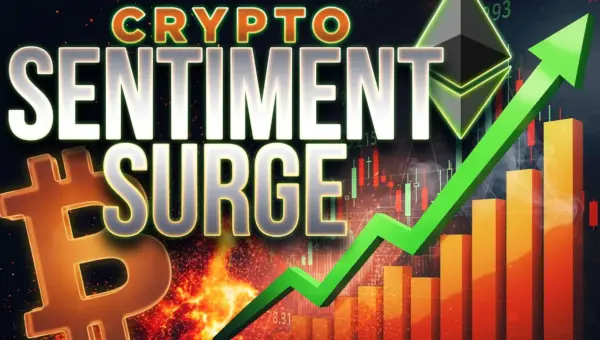
Crypto Market Roars Back Amid Geopolitical Calm
Cryptocurrency markets are experiencing a surge in optimism, driven by easing geopolitical tensions and positive economic signals. Bitcoin has rallied, and traditional markets are also showing strength, indicating a broad shift in investor sentiment. Regulatory clarity and a generational wealth transfer are further supporting the positive outlook for digital assets.


Hungary Votes Out Orban, Shaking Up Eastern Europe’s Strongmen
Hungary has voted out long-time Prime Minister Viktor Orban, signaling a potential shift in Eastern European politics. Orban's government was accused of undermining EU foreign policy and supporting illiberal leaders, impacting countries like Slovakia and the Western Balkans. The new leadership promises a pro-European realignment, but faces challenges in dismantling established structures.