Ukraine Strikes Russian Ports; US Allies Fear Wider Conflict
Ukraine's escalating drone and missile strikes on Russian oil ports are stretching Moscow's defenses and impacting global energy markets. Meanwhile, internal political shifts in the U.S. and Europe suggest a potential realignment away from supporting Ukraine.

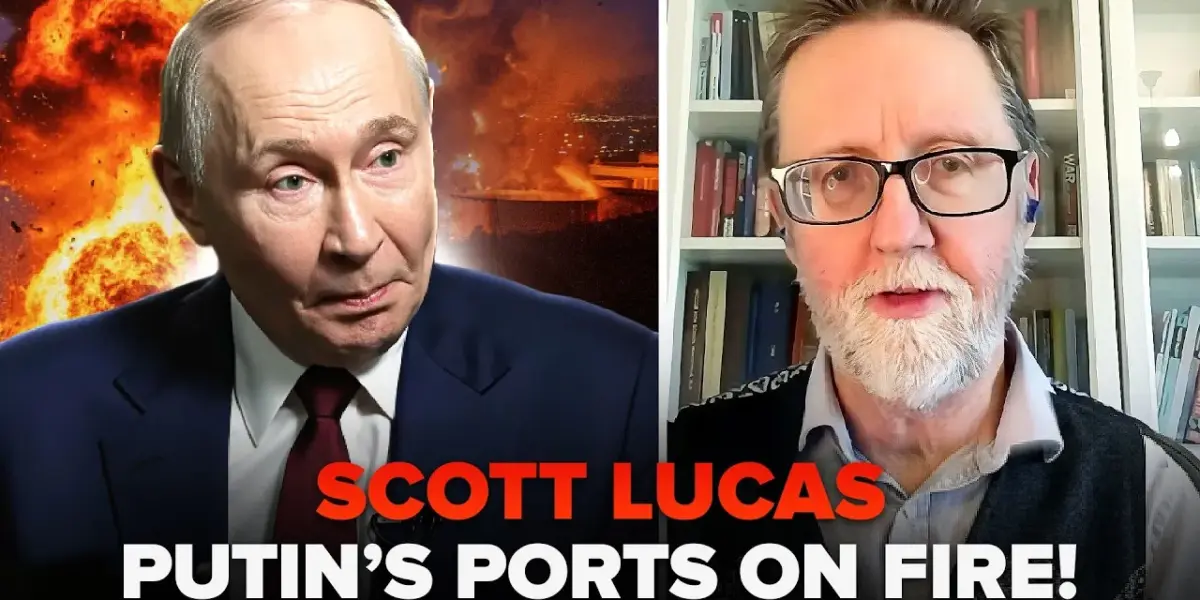
Ukraine Strikes Russian Ports; US Allies Fear Wider Conflict
Kyiv’s drone and missile attacks are increasingly targeting Russia’s energy infrastructure, stretching Moscow’s air defenses thin and impacting global oil markets. Recent strikes on key oil ports like Uslyuga have raised concerns among international partners about market instability and the broader geopolitical ramifications.
Deep Strikes Challenge Russian Defenses
Ukrainian forces have demonstrated an expanding reach, striking targets over a thousand kilometers inside Russia. This includes areas far beyond Moscow, reaching cities like Nizhny Novgorod. The geographic spread of these attacks suggests that Russia’s air defense systems are being strained. Even in strategically vital locations, such as the Uslyuga oil port, which is crucial for Russia’s energy industry, air defenses appear inadequate. Reports indicate at least five partially successful attacks on Uslyuga within a two-week period.
The Kremlin has remained notably silent regarding these recent developments, a contrast to their usual pronouncements. This quietude may signal underlying concerns about the effectiveness of their defenses and the impact on their economy. A significant consequence observed is Russia’s recent ban on gasoline and petrol exports. This move, while potentially influenced by instability in the Middle East, is largely seen as a measure to prioritize domestic supply due to reduced overall production and export capabilities.
Economic Fallout and Shifting Alliances
The impact of these strikes on Russia’s oil revenues is substantial. Even with the lifting of some sanctions by the United States on Russian oil customers, Russia continues to suffer significant revenue losses if it cannot export its oil. This situation exacerbates the economic pressure on Moscow, with Russian oil revenues reportedly down 47% in January and February.
Ukrainian President Volodymyr Zelensky has indicated that some Western partners have expressed concerns about intensifying attacks on Russia’s energy sector, citing market instability. This hesitation from allies, particularly the United States under a potential Trump administration, stems from a miscalculation regarding the conflict in Iran. The prolonged conflict and subsequent oil price spikes, partly due to Iran’s control over the Strait of Hormuz—a vital waterway for roughly 25% of maritime oil—have directly impacted global energy prices. Americans, being sensitive to gasoline costs, have influenced political calculations. This has led to calls from some U.S. officials for Ukraine to reduce its strikes on Russian energy targets.
“The Americans have largely stopped sending military supplies to Ukraine… The Americans have largely stopped sending military supplies to Ukraine in part because of the war on Iran.”
However, Ukraine has continued its attacks, indicating a strategic decision not to yield to external pressure. While some U.S. officials remain supportive of Ukraine’s security, others, particularly within a Trump-aligned faction, are reportedly prioritizing energy market stability. The dynamic is complex, as Ukraine is also seeking alternative intelligence sources and support from European partners, suggesting a growing autonomy from direct U.S. reliance.
Broader Geopolitical Realignments
The situation in the Middle East, particularly the conflict involving Iran, is drawing parallels to past strategic missteps. Some analysts compare the current situation to the U.S. involvement in Iraq in 2003, suggesting a potential overestimation of American power and influence. The objective then, as now, may have been to project dominance and force a regime’s surrender. If Iran’s nuclear program and regional influence persist, it could be seen as a strategic failure for the U.S. administration involved.
However, a key difference from 2003 is the potential for a lasting realignment in the Middle East. Unlike the post-Iraq period where the U.S. maintained a strong strategic position, there is speculation that Gulf States and other regional actors may look beyond the U.S. for their primary security partnerships. This could lead to a diminished American role, with powers like China and European countries reassessing their engagement in the region.
Undermining European Unity
A significant development highlighted is the U.S. Vice President JD Vance’s recent interference in Hungary’s election. Vance’s public declaration that the European Union, not Russia, is the primary enemy for both the Trump administration and the Orban government is a stark indicator of a broader strategy. This aligns Russian and Trump-aligned interests in supporting Viktor Orban, aiming to install leaders within NATO and the EU who will obstruct European support for Ukraine.
This strategy involves undermining the European Union by supporting nationalist and far-right movements across Europe, including parties in Germany, France, and the UK. The goal is to create a bloc of governments that do not prioritize Ukraine’s security. This shift represents a move away from traditional alliances, with the Trump camp actively working to dismantle existing European structures and influence.
Vance’s accusation that Ukrainian intelligence services interfered in Hungarian and U.S. elections is viewed as politically motivated rhetoric. It serves to deflect from potential election manipulation by Orban and to create a narrative that blames Ukraine for any unfavorable outcomes. This strategy aligns with Donald Trump’s past challenges to election results and suggests a coordinated effort to destabilize European political landscapes and weaken support for Ukraine.
The implications are clear: the current priority for elements within the Trump administration is not Ukraine’s defense, but the consolidation of power through allied nationalist movements in Europe. This could result in a weakened NATO and a fractured European Union, directly impacting Ukraine’s ability to secure necessary support against Russian aggression.
Source: 💥Russia's oil ports UNDER BLOCKADE! Putin CAN’T stop Ukrainian BLITZ @WorldatStake24 (YouTube)

Related Articles


US Blockade of Iran Risks War: Is This the New Normal?
A US blockade of Iranian oil shipments could escalate into a full-blown act of war, warns an analysis. This move risks not only regional conflict but also a significant spike in global oil prices, potentially reaching $120 per barrel. The implications for international stability and the global economy are profound.
Canada Charts New Course, Ditching US Ties
Canada is forging a new path toward economic independence from the United States under Mark Carney's leadership. New policies aim to ease the cost of living, boost the energy sector, and make home ownership more accessible, signaling a strategic decoupling from American economic pressures.

Trump’s Iran Strategy Crumbles Under Pressure
Donald Trump's aggressive stance on Iran, including a threatened naval blockade, has reportedly backfired. Critics argue that Iran has mocked U.S. efforts and is now in a stronger negotiating position, potentially securing a deal more favorable than previous agreements. The situation raises broader concerns about U.S. foreign policy effectiveness and global standing.