AI Fears Ignite Violence Against Tech Leaders
Fears surrounding artificial intelligence have taken a dangerous turn with an alleged Molotov cocktail attack on OpenAI CEO Sam Altman's home. The incident highlights the intense emotions and potential for violence fueled by anxieties about AI's rapid development. This case serves as a stark warning about the real-world consequences of unchecked fears and the need for responsible AI discourse.


AI Fears Ignite Violence Against Tech Leaders
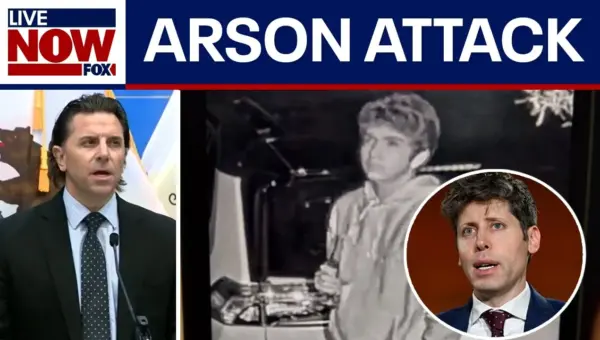
A shocking incident has brought the growing anxieties surrounding artificial intelligence into sharp focus. A man from Texas, Daniel Moreno Gama, faces serious charges after allegedly attacking the San Francisco home of Sam Altman, the CEO of OpenAI, with a Molotov cocktail. This event highlights the intense emotions and potential for violence fueled by fears about AI’s rapid development.
An Attempted Attack and Its Implications
Authorities have detailed charges that paint a picture of a planned and targeted assault. The 20-year-old suspect is accused of traveling across state lines with the intent to harm Altman. San Francisco’s district attorney has filed charges for attempted murder and attempted arson, stating clearly that this was an attempt on Mr. Altman’s life, posing an extreme danger to those around him and his company’s employees.
Beyond the state charges, federal authorities have also filed charges for destruction of property using explosives and possessing an unregistered firearm. The FBI emphasized that the attack was not spontaneous but carefully prepared, calling it “planned, targeted, and extremely serious.” This suggests a level of premeditation that raises significant concerns about the motivations behind such actions.
Escalation and a Troubling Manifesto
The alleged attack on Altman’s home was not the end of the incident. Investigators report that after the initial assault, Gama then proceeded to OpenAI’s headquarters. There, he reportedly attempted to force entry, trying to break a glass door with a chair. He also allegedly stated his intention to burn down the building and harm anyone inside.
Police arrested Gama with incendiary devices and fuel. Crucially, they also found a written document titled “Your Last Warning.” This manifesto reportedly outlines anti-AI views and calls for violence against tech leaders. Such a document suggests a deep-seated animosity towards the direction of AI technology and its prominent figures.
Domestic Terrorism Concerns
Prosecutors are considering the possibility of treating this case as an act of domestic terrorism. If the evidence shows that Gama acted to change public policy or to pressure government officials, he could face decades in prison. This framing underscores the potential for AI-related fears to manifest as politically motivated violence, mirroring concerns seen in other areas of societal change.
Historical Context: Fear of New Technologies
Throughout history, new and powerful technologies have often been met with fear and resistance. From the Luddites smashing textile machinery in the early 19th century to anxieties about automation in the industrial revolution, people have worried about how innovation might disrupt their lives and livelihoods. The current fears around AI, concerning job displacement, ethical dilemmas, and existential risks, are a modern echo of these historical anxieties.
However, the speed and potential scope of AI development feel different to many. Concerns range from AI systems becoming uncontrollable to their misuse for disinformation or autonomous weapons. The targeting of a prominent AI leader like Sam Altman reflects how these abstract fears can translate into very real, personal threats.
Why This Matters
This incident is a stark warning sign. It demonstrates that the abstract debates about AI ethics and safety are not confined to academic circles or tech conferences. These discussions have real-world consequences, potentially inspiring extreme actions from individuals who feel threatened or disenfranchised by technological progress.
The case raises critical questions about how society will manage the societal impact of advanced AI. It highlights the need for open dialogue, responsible development, and effective ways to address public concerns before they escalate into violence. Furthermore, it puts a spotlight on the security challenges faced by leaders in rapidly evolving, potentially disruptive industries.
Trends and Future Outlook
We are likely to see continued public discourse, and potentially more expressions of fear, as AI capabilities advance. This incident may lead to increased security measures for tech leaders and facilities. It also emphasizes the importance of understanding and addressing the root causes of public anxiety about AI, rather than dismissing them.
The challenge for policymakers, tech companies, and society as a whole will be to foster innovation while ensuring that its development is guided by ethical principles and public trust. Ignoring or downplaying public fears could prove dangerous, as this incident tragically illustrates. Finding a balance between progress and public safety is paramount as we move further into the AI era.
Source: Man Charged After Molotov Cocktail Attack on OpenAI CEO Sam Altman's Home (YouTube)

Related Articles


Congressmen Resign Amid Allegations, Trump Feud Grows
Two congressmen, Eric Swalwell and Tony Gonzalez, resigned amid serious allegations. President Trump faced backlash for a controversial AI image and escalated his feud with Pope Francis. Meanwhile, the US imposed a partial blockade on Iran, and the OpenAI CEO's home was attacked.

Suspect Charged in Molotov Attack on OpenAI CEO Sam Altman’s Home
A 20-year-old man has been federally charged with a Molotov cocktail attack on OpenAI CEO Sam Altman's San Francisco home. Daniel Moreno Gama allegedly traveled from Texas with intent to harm Altman and the AI company, facing charges including attempted murder and arson. The incident has prompted calls for a calmer public discourse on artificial intelligence.

AI Genius Demis Hassabis Fought Google Over Safety
Demis Hassabis, the driving force behind DeepMind, has a deep-seated commitment to scientific curiosity and AI safety, often clashing with Silicon Valley's profit-driven culture. His early life as a chess prodigy forged an intense competitive spirit that now fuels his efforts to ensure AI development prioritizes ethical considerations over a reckless race for advancement. Hassabis's proactive approach includes battling for safety standards and raising concerns about the potential unintended consequences of advanced artificial intelligence.