China Workers Protest Russian Oil Giant’s Non-Payment
Hundreds of Chinese workers protested in Russia's Khabarovsk region after Rosneft allegedly stopped paying them. The incident highlights Russia's economic struggles, reliance on foreign labor, and the impact of sanctions on its crucial energy sector.

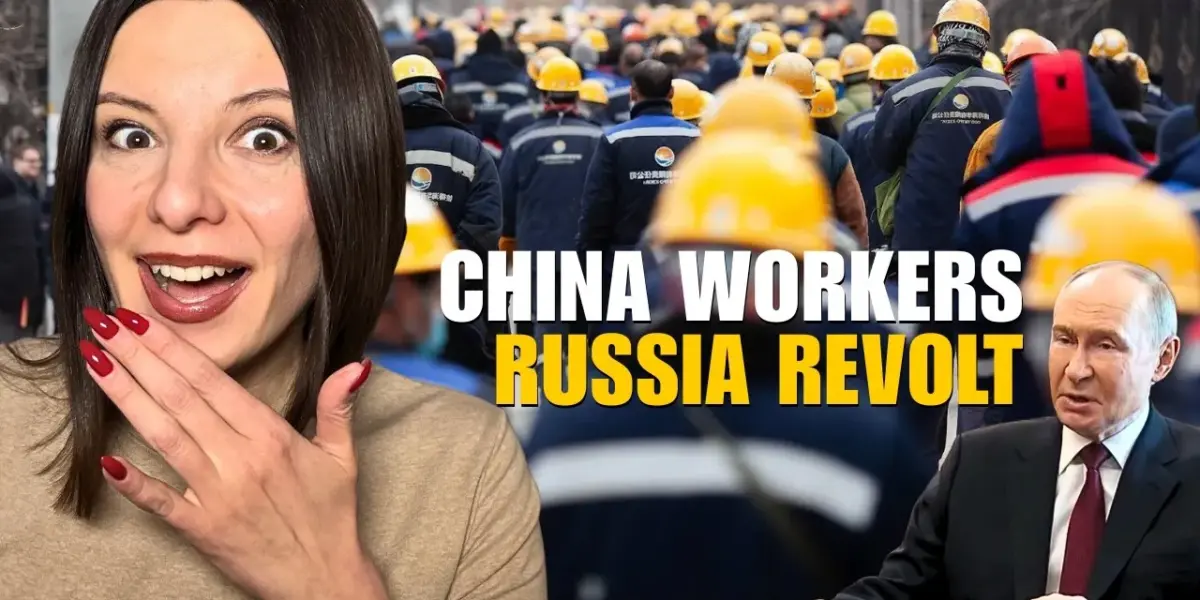
Chinese Workers Protest Russian Oil Giant’s Non-Payment
Hundreds of Chinese workers have protested in Russia’s Khabarovsk region after the state-owned oil company Rosneft reportedly stopped paying them. This unusual event highlights significant economic strain within Russia, exacerbated by sanctions and the ongoing war in Ukraine.
The situation underscores Russia’s increasing reliance on Chinese labor, particularly in its Far East. This reliance comes as many Russian men are serving on the front lines, creating a shortage of domestic workers. The protest by Chinese laborers in Kumolka, Amur, who were building facilities for Rosneft, points to deeper financial troubles within Russia’s vital energy sector. Sanctions, specifically targeting the oil and gas industry, have reportedly crippled companies like Rosneft, pushing them toward bankruptcy and leaving foreign workers unpaid.
Economic Fallout from Sanctions
Russia’s energy sector, long a source of national wealth and a key revenue stream, is facing unprecedented challenges. Reports indicate that Russia may have lost 40-50% of its energy export income this year. This loss directly impacts major state-controlled companies such as Rosneft, Gazprom, and Lukoil. These companies, often referred to as the financial backbone supporting the Kremlin and its allies, are now reporting significant financial losses.
The inability of these giants to meet their financial obligations, including paying contracted workers, signals a severe economic downturn. Russian financial publications, like a specialized version of Forbes, are reportedly listing major debtors, a stark indicator of the country’s financial instability. This economic pressure is not only affecting Russian citizens but also foreign workers who contribute to the nation’s infrastructure projects.
Historical Context and Territorial Claims
The Khabarovsk region, where the protest occurred, has historical ties to China. Some accounts suggest that cities like Khabarovsk were once part of Chinese territory and still bear Chinese names in historical records. This historical context adds another layer to the current situation, as China’s economic influence expands into these areas.
The presence of numerous Chinese workers in Russia’s Far East is part of a broader trend. Many observers note that China is increasingly sending workers to Russia to perform various tasks, including construction. This influx of labor not only helps fill domestic shortages but also allows China to develop infrastructure and networks within Russian territory. Some analysts suggest this could be part of a slow, quiet annexation process, driven by Russia’s economic weakness and China’s growing market dominance.
Broader Implications for Russia
The protests by Chinese workers are a visible symptom of wider discontent within Russia. While some protests are driven by issues like internet censorship, economic problems and unpaid wages are becoming a major catalyst for unrest. This is not limited to Russian citizens; foreign workers are also voicing their grievances.
The situation highlights the complex geopolitical dynamics at play. While Western nations may seek to maintain the stability of the Russian Federation, the country’s internal struggles, including its economic mismanagement and costly military campaigns, are creating vulnerabilities. The Kremlin’s focus on military expenditure, particularly the war in Ukraine, appears to be draining resources that could otherwise support the domestic economy and fulfill contractual obligations.
Strategic Implications
The protest of Chinese workers against Rosneft is a significant development with several strategic implications. Firstly, it demonstrates the fragility of Russia’s economic situation and its dependence on external labor. Secondly, it exposes the financial strain on key Russian industries, directly linked to the impact of international sanctions and the costs of war. Thirdly, it raises questions about the long-term stability of Russia’s Far East, a region with historical ties to China and increasing Chinese economic presence.
The Kremlin’s decision to continue its military operations despite severe economic consequences appears to be leading to a gradual collapse. The fact that even foreign workers, who might typically be deterred from protesting in Russia, are taking to the streets with demands addressed to President Putin indicates the severity of the economic crisis. Rosneft’s inability to pay its workers, despite being a major energy company, suggests that the financial repercussions of the war and sanctions are reaching critical levels, impacting even state-backed enterprises.
The failure of a ‘blitzkrieg’ strategy and the continuation of the conflict have led to a situation where even foreign workers are protesting due to non-payment by major Russian companies like Rosneft.
This event serves as a stark reminder of the interconnectedness of global economics and the far-reaching consequences of international conflict and sanctions. As Russia faces mounting economic pressure, such domestic unrest, even from foreign nationals, could further destabilize the nation.
Source: CHINESE WORKERS PROTEST IN RUSSIA Vlog 1379: War in Ukraine (YouTube)

Related Articles
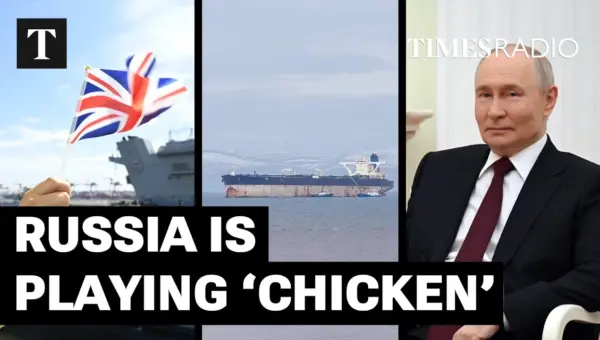
Russia Adds Armed Guards to Ships Near UK Coasts
Russia is reportedly deploying armed personnel on ships near British coasts, creating strategic ambiguity and increasing the risk of confrontation. Experts suggest this tactic aims to deter British forces from boarding sanctioned Russian oil tankers, making decision-making more complex for UK authorities.

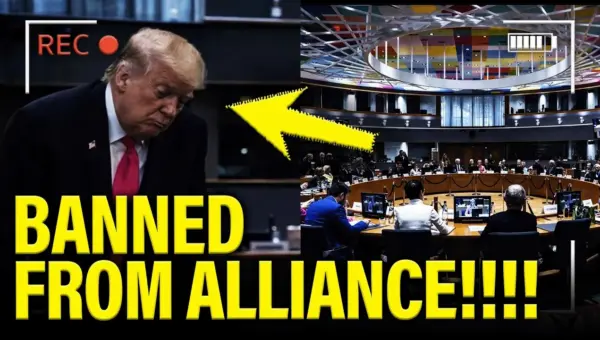
Global Alliances Shift: World Leaders Bypass Trump
World leaders are forging new international alliances, notably excluding Donald Trump from key emerging security blocs. This shift sees China positioning itself as a superpower, while Ukraine offers advanced military technology and Europe takes a more active role in regional stability. These developments signal a potential restructuring of global power dynamics.

Iran’s Bold Move Exposes US Weakness in Persian Gulf
A Chinese tanker's easy passage through a U.S. blockade and a U.S. aircraft carrier's lengthy detour raise questions about American influence in the Persian Gulf. As global alliances shift, the effectiveness of U.S. foreign policy is under scrutiny.