US Foreign Policy Stumbles Amidst Gaffes and Failed Diplomacy
Recent U.S. foreign policy has been marred by public gaffes and stalled negotiations with Iran. Critics question the administration's priorities and strategy, pointing to controversial remarks and inexperienced negotiating teams. Disturbing reports of child recruitment by Iran add to concerns about escalating regional conflict.

US Foreign Policy Stumbles Amidst Gaffes and Failed Diplomacy
Recent events highlight significant challenges in American foreign policy, marked by public missteps and stalled diplomatic efforts. The focus has shifted from crucial international negotiations to distracting controversies, raising questions about the administration’s priorities and effectiveness.
Trump’s Controversial Remarks and the Pope
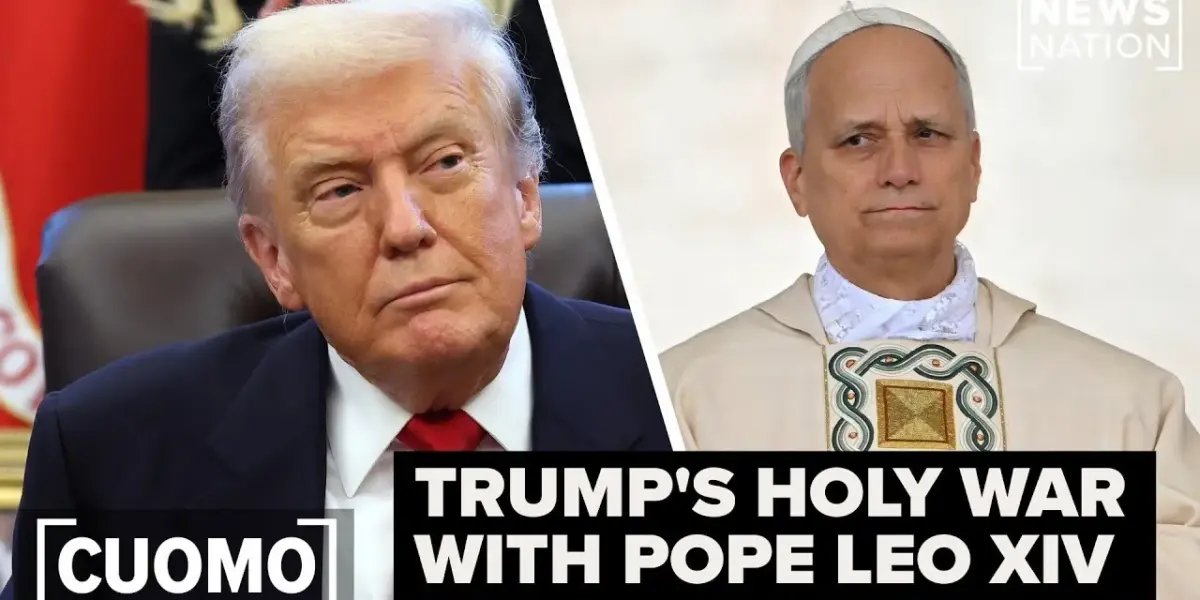
Former President Donald Trump has drawn criticism for remarks that some perceive as disrespectful to religious figures. One instance involved a photo that depicted him in a way some found offensive, leading to a delayed apology. Trump reportedly claimed he mistook the imagery, suggesting he thought he was being portrayed as a doctor helping the Red Cross. He also stated he believed he was audited by the IRS due to his strong faith, a comment that raised eyebrows given the context.
These comments come after Trump had previously disrespected the Pope, according to reports. Critics argue that such actions reduce the dignity of the office of the President, comparing the behavior to that of a carnival barker. The attention on these gaffes has, for some observers, overshadowed more serious international concerns.
Stalled Negotiations with Iran and Regional Tensions
Meanwhile, diplomatic efforts with Iran appear to be faltering. Negotiations that were expected to conclude within two weeks have dragged on, suggesting a lack of progress. Analysts believe this delay serves the interests of Israel, which seeks to continue targeting Iran and its proxies. Israeli Prime Minister Benjamin Netanyahu’s focus on confronting these groups resonates with his domestic audience.
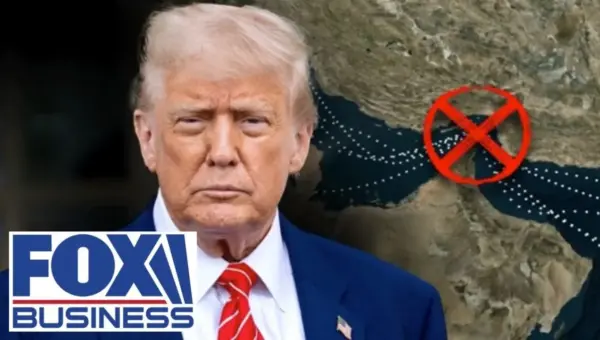
Iran’s strategy involves embedding its forces within civilian populations. This tactic makes military strikes by the U.S. and Israel risky, potentially leading to high civilian casualties. The report notes that Iran controls the Strait of Hormuz, a vital waterway for global oil transport. The potential for $20 gas prices is mentioned as a sign of the economic pressure building.
Questions About Negotiating Teams and Strategy
Concerns have also been raised about the composition of the U.S. negotiating team. JD Vance was sent to negotiate at Iran’s supposed request, despite lacking experience in the region or with extremist groups. His backup was identified as a real estate investor and Trump’s son-in-law, Jared Kushner. The article suggests that the administration’s most experienced diplomat was sidelined, possibly watching a UFC fight instead of engaging in crucial talks.
The author questions the strategy behind these negotiations, suggesting they are prolonging a potential conflict. The blockade of the Strait of Hormuz, even if temporary, disrupts the global economy by limiting oil flow. This action, the article argues, benefits Iran’s agenda of economic disruption and could lead to dangerous escalations if Iran attacks ships. The administration’s approach is criticized for potentially putting American military personnel in harm’s way without a clear exit strategy.
Child Recruitment by Iran and Escalation Risks
A disturbing report from Amnesty International indicates that Iran is recruiting children as young as 12 to fight. Sightings of these young recruits armed with weapons alongside Iranian soldiers raise fears of future casualties. The article poses a grim question: how long until the world sees photos of dead children killed by Israeli or American forces?
The author expresses concern that the current approach is setting the U.S. up for failure. The strategy of sending inexperienced negotiators and having a poorly defined plan on the backend risks escalating the conflict. This puts pressure on the military to manage the consequences of flawed political decisions, leading to questions about the administration’s true motivations.
Global Impact and Shifting World Order
The combination of public relations missteps and ineffective diplomacy sends troubling signals internationally. It suggests a potential weakening of American leadership and a lack of focus on critical geopolitical challenges. The perceived disarray in U.S. foreign policy could embolden adversaries and create instability in already volatile regions. The reliance on controversial figures and the apparent disregard for diplomatic norms may erode international trust in the United States.
Historically, periods of perceived American distraction or weakness have often led to increased regional conflicts and power vacuums. The current situation with Iran, coupled with domestic political controversies, risks repeating past mistakes. The world watches as these events unfold, with potential consequences for global security and economic stability.
Source: Trump attacking Pope Leo the latest of gaffes since war began: Cuomo | CUOMO (YouTube)

Related Articles

Trump Rages as Allies Shun His Iran Conflict
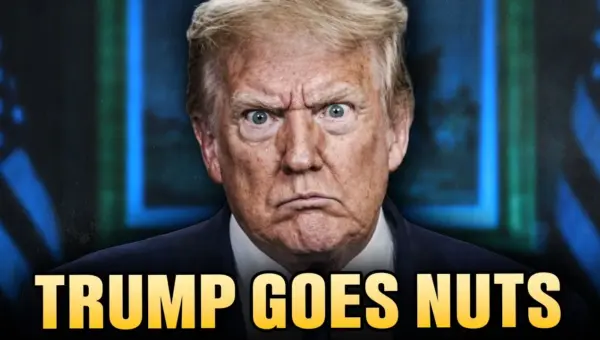
Reports indicate Donald Trump is furious as allies refuse to support his self-declared blockade of the Strait of Hormuz. The analysis suggests his increasingly contradictory statements and claims, like stopping 98.2% of drug imports, point to cognitive decline exacerbated by stress. This isolation and potential erratic decision-making pose significant global risks.

MAGA’s Big Government Gamble Shocks Voters
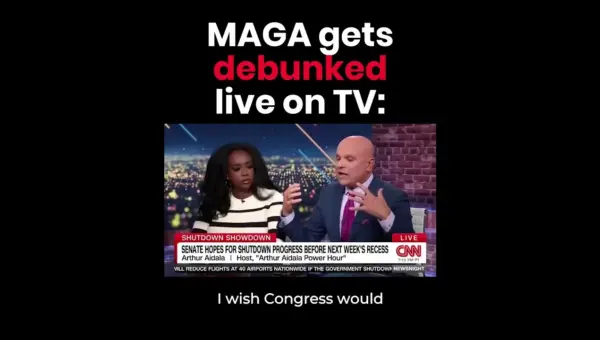
The Republican party's commitment to small government is being questioned as actions under the Trump administration show an embrace of large government intervention. The debate over healthcare subsidies and government shutdowns highlights a stark contrast in priorities, with potential long-term implications for American policy.
US Holds Military Edge Over Iran, Analyst Says
The U.S. holds a significant military advantage over Iran, with diplomatic pressure and troop deployments aimed at curbing Tehran's nuclear ambitions. Analysts believe this posture is pushing Iran towards capitulation, leading to a drop in oil prices and easing supply concerns.