US Denies Iran Ships Breached Blockade
The US military has denied reports that Iranian-linked ships have bypassed an international blockade, stating its forces have intercepted nearly 30 vessels. Meanwhile, Iran seized two trade ships in the Strait of Hormuz, raising concerns among shipping executives about the safety of this vital waterway.

US Denies Iran Ships Breached Blockade
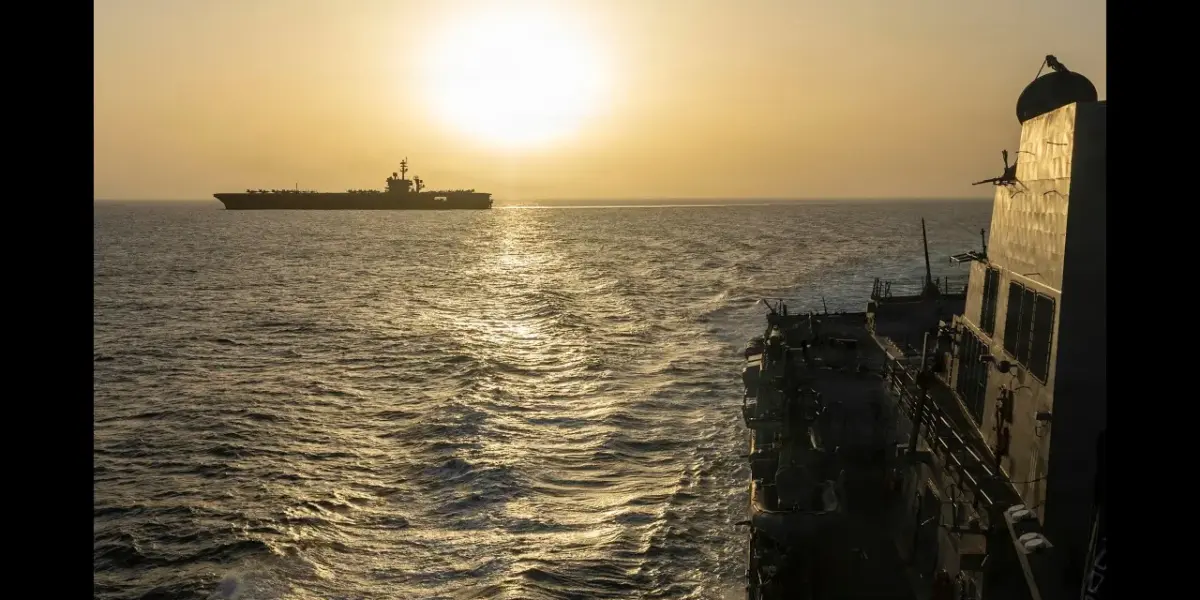
The United States military has pushed back against claims that ships linked to Iran have slipped past an international blockade. US forces have reportedly stopped nearly 30 vessels since the blockade, aimed at pressuring Iran, began. This action comes as tensions remain high in a vital global shipping lane.
US Central Command (CENTCOM) stated on Wednesday that its forces had intercepted 29 vessels with ties to Iran. These encounters happened since the American blockade of Iranian ports was put in place. CENTCOM specifically addressed recent media reports alleging that some commercial ships had successfully bypassed the blockade.
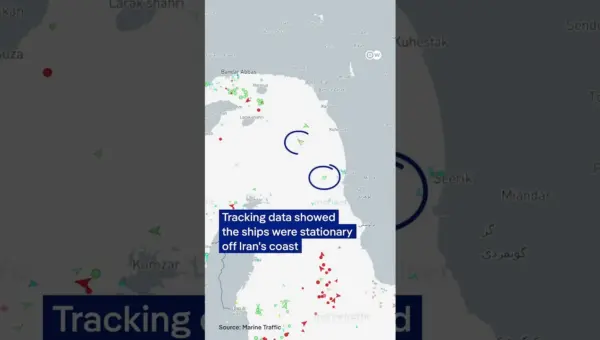
These reports, according to CENTCOM, are not true. The command clarified that Iranian-flagged tankers were actually anchored in Chabahar, Iran. This followed their interception by US forces earlier in the week, showing the blockade’s effectiveness.
Iran Seizes Vessels in Strait of Hormuz
Adding to the complex situation, Iran’s government took control of two trade vessels in the Strait of Hormuz on Wednesday. The ships involved were the Panama-flagged MSC Francesca and the Liberia-flagged Epaminondas. Iran is reportedly bringing these vessels to its shores.
Reports indicate that Iran fired upon both of these vessels, and a third ship, but did not take the third vessel into custody. Data from MarineTraffic shows that the MSC Francesca and the Epaminondas are both operated by the same shipping company, MSC. This detail highlights the interconnectedness of global shipping operations.
Economic Pressure and Shipping Concerns
Before news of Iran’s seizures broke, President Trump commented on Iran’s financial situation via social media. He suggested that Iran’s economy is struggling significantly and that the country is eager to reopen the Strait of Hormuz. Trump stated Iran is losing a substantial amount of money daily and that its military and police forces are complaining about not being paid.
Despite the US claims of an effective blockade, top shipping executives remain wary of passing through the Strait of Hormuz. The Iranian regime has reportedly placed mines in this critical passage. This creates a dangerous environment for international trade.
The CEO of the CMB Group expressed these concerns to Reuters, stating the need for confidence in safe passage. He added that currently, there is no real assurance that ships can transit without encountering problems. This sentiment reflects the ongoing risks faced by the shipping industry in the region.
Why This Matters
The Strait of Hormuz is one of the world’s most important oil transit points. Approximately 30% of the world’s oil passes through this narrow waterway every day. Any disruption here can have significant effects on global energy prices and supply chains.
The conflicting reports from the US and Iran, along with the seizures and the ongoing threat of mines, create uncertainty. This uncertainty directly impacts the shipping industry, increasing insurance costs and transit risks. It also affects the global economy by potentially raising the price of oil.
Historical Context
Tensions in the Strait of Hormuz are not new. Iran has previously threatened to close the strait in response to international pressure or sanctions. The US Navy regularly patrols the area to ensure freedom of navigation and to counter any threats from Iran or other actors.
The current blockade is part of broader international efforts to curb Iran’s nuclear program and its regional influence. By restricting Iran’s ability to export oil, the US and its allies aim to weaken the regime’s funding for its military and proxy groups.
Implications and Future Outlook
The US’s strong denial of ships breaching the blockade suggests a determined effort to maintain pressure on Iran. If the US can successfully enforce the blockade, it could significantly impact Iran’s economy. This could, in turn, influence Iran’s behavior on the international stage.
However, the risk of escalation remains. Iran’s seizure of vessels, even if it claims they were involved in violations, shows its willingness to retaliate. The presence of mines further increases the danger, potentially leading to accidental or intentional harm to commercial shipping.
The cautious stance of shipping executives highlights the immediate challenges. For global trade to flow smoothly, there needs to be a clear and consistent assurance of safety. Without it, shipping routes may be rerouted, increasing costs and delivery times.
The situation will continue to be closely watched, especially by nations reliant on oil imports. The effectiveness of the blockade and Iran’s response will shape the immediate future of maritime security in the Persian Gulf.
The next few weeks will be critical in determining whether shipping companies can regain confidence in transiting the Strait of Hormuz.
Source: US Debunks Reports That Ships With Iran Ties Passed American Blockade (YouTube)

Related Articles

Iran Seizes Ships in Strait of Hormuz Amid Tensions
Iranian soldiers have seized two container ships in the Strait of Hormuz, a vital global shipping lane. Footage aired by state television shows the military operation amid heightened regional tensions. The incident raises concerns about maritime security and potential disruptions to international trade and energy supplies.


Navy Secretary Departs Amid Tensions with Iran
U.S. Navy Secretary John Felon is departing the Trump administration amidst escalating tensions with Iran and a standoff in the Strait of Hormuz. The move fuels speculation about internal disagreements over foreign policy as domestic pressures and criticism from media figures mount. The administration's strategy appears focused on economic sanctions to pressure Iran into negotiations.


Navy Leadership Shake-Up Fuels Fears of White House Instability
The sudden firing of the U.S. Navy Secretary amidst a naval standoff with Iran has sparked concerns about administrative stability. Critics question the qualifications of the new acting secretary and the Pentagon's decision-making process.