California’s Homelessness Crisis: Candidates Grade Newsom’s Efforts
California gubernatorial candidates debated Governor Newsom's handling of the homelessness crisis, offering letter grades and proposing alternative solutions. Discussions ranged from prioritizing addiction treatment to emphasizing housing prevention and accountability for state funds.

California’s Homelessness Crisis: Candidates Grade Newsom’s Efforts
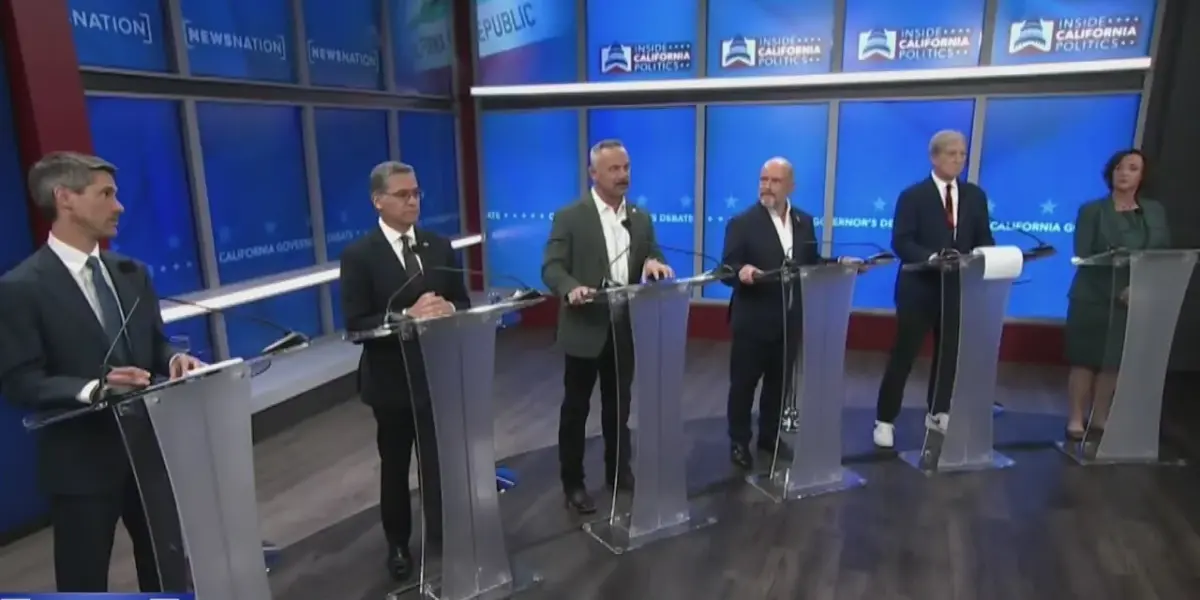
California’s ongoing struggle with homelessness has become a central issue in the state’s political discussions. During a recent town hall, candidates vying for governor had the opportunity to share their assessments of Governor Gavin Newsom’s work on this complex problem. Their responses revealed a range of opinions, from cautious praise to outright condemnation, highlighting the deep divisions on how to address the crisis.
A Spectrum of Opinions on Newsom’s Performance
When asked to give Governor Newsom a letter grade for his efforts on homelessness, the candidates offered varied perspectives. One candidate, while acknowledging Newsom’s initiatives like CARE Court and Proposition One, admitted that despite supporting them, the state has not yet delivered the results that residents deserve, suggesting an ‘incomplete’ or a grade reflecting implementation challenges.
Another candidate leaned towards giving the governor an ‘effort’ grade, recognizing Newsom’s personal involvement in visiting Los Angeles and attempting to clean up streets. However, this candidate stressed the critical need for accountability when billions of dollars are allocated to local communities, emphasizing that results on the streets should be the true measure of success.
Focus on Prevention and Accountability
A common theme among several candidates was the idea of prioritizing prevention to keep people housed in the first place. One candidate argued that it costs far less to help someone stay in their home after an unexpected job loss or medical emergency than it does to house them once they are on the streets. This approach centers on providing temporary assistance, such as low-interest loans for back rent, to prevent individuals from becoming homeless.
This focus on prevention was met with questions about cost and funding. However, the argument was made that such preventative measures would only require a fraction of the tens of billions already spent on addressing homelessness after the fact. The logic suggests that proactive support is not only more humane but also more fiscally responsible in the long run.
Challenging the Definition of Homelessness
Some candidates strongly challenged the framing of the issue, asserting that it is not primarily a housing problem but rather a consequence of severe drug and alcohol addiction, mental illness, and psychosis. They argued that current approaches, often involving funding for nonprofits, are failing because they do not adequately address these underlying issues. This perspective calls for a significant shift in how resources are allocated, prioritizing treatment centers for drug and alcohol abuse and mental health care.
This viewpoint was countered by others who highlighted that homelessness in California is complex. They pointed out that many homeless individuals are actually working but cannot afford housing, while others are fleeing domestic violence or living in overcrowded conditions or their cars. Demonizing any single group or cause, they argued, prevents a comprehensive understanding and effective solution to the problem.
Proposed Solutions: Enforcement and Treatment
A three-point plan was proposed by one candidate, focusing on common-sense measures. This plan included making street camping illegal and enforcing that law, ensuring people receive necessary drug treatment that is not optional, and providing essential mental health care. The candidate criticized current policies for turning California into a place where mental health issues are addressed on the streets rather than in proper facilities.
Another candidate offered a different approach, advocating for emergency interim housing as a priority. This would involve providing basic, immediate shelter with private rooms, shared facilities, and the ability to bring pets, without requiring immediate sobriety. This candidate believes that people want to utilize such services because they are designed to meet their immediate needs, unlike larger shelters or long waits for permanent housing, which can be extremely costly and lengthy.
Critiques of Current Spending and Nonprofits
Criticism was also directed at the significant amount of money spent on homelessness, with questions raised about the effectiveness and transparency of funding for nonprofits and developers. Some candidates believe that instead of solving the problem, these organizations are profiting from it. The vast sums allocated, such as $24 billion mentioned by one participant, were questioned regarding their actual impact on reducing homelessness.
The effectiveness of current government interventions was also debated. One candidate pointed out that while Governor Newsom has made efforts, his attempts to clean up encampments have not led to lasting change. This suggests a need for more fundamental policy shifts rather than surface-level actions.
A Call for a Different Path Forward
Ultimately, the discussion highlighted a shared concern for the homelessness crisis but revealed starkly different ideas on its root causes and the best path forward. While some advocate for increased accountability and a focus on addiction and mental health treatment, others emphasize prevention, diverse housing solutions, and a broader understanding of who experiences homelessness. The upcoming gubernatorial race will likely continue to see these contrasting visions debated intensely.
Why This Matters
The candidates’ discussions highlight the critical need for effective solutions to California’s homelessness crisis. Their differing perspectives reveal the complexity of the issue, touching on public health, economic stability, and the very definition of compassion and effective governance. Voters will need to consider these varied approaches as they decide on the future leadership for the state.
Looking Ahead
The candidates’ grades and proposed solutions offer a glimpse into the potential policy directions California might take. The ongoing debate will shape public perception and influence the strategies employed to tackle one of the state’s most pressing challenges. The effectiveness of any future policies will ultimately be judged by tangible improvements on the streets and in the lives of those affected.
Source: CA governor candidates discuss Gov. Gavin Newsom’s work on homelessness | Katie Pavlich Tonight (YouTube)

Related Articles


California Democrats Target Watchdogs, Ignore Taxpayer Fraud
California Democrats are reportedly targeting journalists and whistleblowers who expose taxpayer fraud, instead of going after the perpetrators. New legislation could further silence these watchdogs, while millions in taxpayer money are lost to scams in sectors like hospice care.


California’s Costly Conundrum: Gas Taxes and Homelessness Debated
California gubernatorial candidates clashed over gas taxes and homelessness solutions during a recent debate. Divergent views emerged on funding infrastructure, with proposals ranging from cutting gas taxes to implementing mileage-based fees, while homelessness strategies varied from prevention and treatment to stricter enforcement.


California Democrats Struggle to Find a Leader: Porter’s Temper and Trump’s Shadow
Former Senator Barbara Boxer discusses the California gubernatorial race, highlighting the challenges Democrats face in the jungle primary. She notes internal party divisions, candidate stumbles like Katie Porter's, and the need to win back disaffected voters rather than simply criticizing Donald Trump.