American Held in Iran: Hope Fades Amidst Brutal Prison Conditions
American-Iranian citizen Siamak Namazi faces dire conditions in Iran's Evin Prison, with his attorney expressing grave concerns about his health and safety. Communication is severely limited, leaving his family in the dark. Calls are growing for humanitarian intervention and for his release as a goodwill gesture in ongoing U.S.-Iran negotiations.

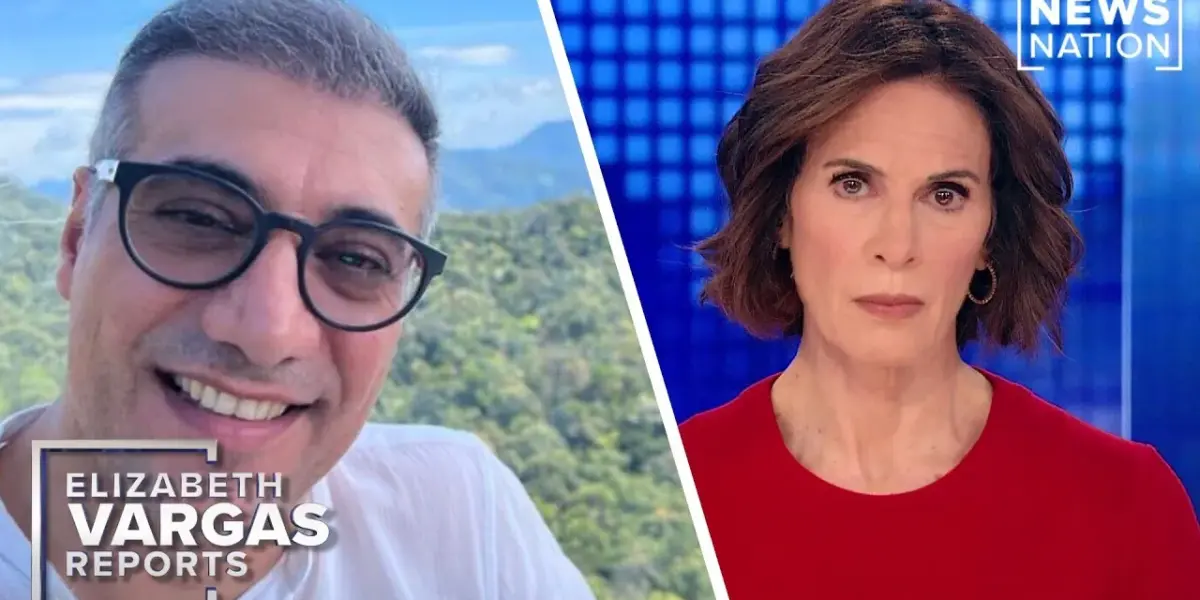
American Held in Iran: Hope Fades Amidst Brutal Prison Conditions
Negotiations between the United States and Iran often focus on big issues like oil and nuclear programs. However, these talks also carry a heavy human cost, affecting the lives of American citizens held in Iran.
For years, reports have surfaced about Americans imprisoned there, and one such case is that of Siamak Namazi, an Iranian-American businessman. He was arrested in 2015 while visiting his father and has been held ever since, accused of spying for a hostile government.
Namazi is currently serving a 10-year sentence in Iran’s Evin Prison, a facility known for its harsh conditions. His attorney, Jared Genser, has expressed deep concern for his client’s well-being.
Communication with Namazi has become increasingly difficult, especially after recent internet blackouts in Iran. This lack of contact leaves his family and legal team unsure about his current health and safety inside the prison.
A Dire Situation in Evin Prison
Genser recently shared that direct communication with Namazi is now nearly impossible, even through family members. This makes it incredibly hard to know what is happening to him. The attorney stated, “We’re deeply concerned about his health and safety, and nobody really, other than Siamak himself, his fellow prisoners, knows what’s actually happening in prison.”
When asked if he is sure Namazi is still alive, Genser responded with cautious optimism. “I’m very hopeful, but I don’t have any proof of that,” he admitted. Namazi has already endured significant hardship.
Last June, he was evacuated from Evin Prison due to a strike nearby, highlighting the dangerous environment he is in. Reports indicated that windows were blown out during the incident, showing clear evidence of unsafe conditions.
Calls for Humanitarian Intervention
The attorney believes that releasing Americans like Namazi could be a simple step towards de-escalating tensions. “It’s low-hanging fruit in a way to de-escalate what’s happening right now,” Genser explained.
He argued that at the very least, the U.S. should seek permission for the Red Cross or allies in the region to visit the prison. This would help confirm Namazi’s status and ensure he is healthy and safe.
In complex negotiations between difficult nations, a gesture of goodwill like releasing prisoners often seems like an easy win. For Iran, freeing Americans would cost them nothing but goodwill.
It could demonstrate a willingness to engage and open doors for discussions on more significant, long-term issues between the two countries. This approach can help build trust and create common ground.
U.S. Government Involvement and Hope for Release
Genser confirmed that his team has been in close contact with the White House National Security Council and the State Department. He believes these issues are at the forefront of their minds. While the government might be hesitant to speak publicly to avoid putting prisoners in further danger, Genser feels the situation is desperate enough.
He suggested that Americans held in Iran should be placed on the negotiating table as a means to find a way forward. Using their cases could help bring both sides together to discuss more complex matters.
The goal is to find an off-ramp from current tensions and foster dialogue. This strategy could enable progress on other difficult issues.
Why This Matters
The imprisonment of dual nationals like Siamak Namazi highlights the severe human rights concerns within Iran. It also exposes the intricate and often dangerous role that citizens can find themselves in when navigating international relations. The lack of transparency and access to basic legal and humanitarian support highlights the urgent need for international oversight and pressure.
This situation is not unique to Namazi; several other Americans are believed to be held in Iran. Their cases serve as a clear reminder of the risks involved for individuals caught in geopolitical disputes. The struggle for their release involves complex diplomatic efforts and a constant plea for basic human dignity.
Implications and Future Outlook
The continued detention of Americans in Iran complicates diplomatic efforts and strains relations between the two countries. It also raises questions about the effectiveness of current negotiation strategies. The hope is that by highlighting these cases, more pressure can be applied for humanitarian releases.
The future outlook depends heavily on the willingness of both governments to prioritize human welfare. As tensions persist, the fate of individuals like Namazi remains uncertain.
However, sustained advocacy and diplomatic engagement offer the best hope for their eventual freedom. The international community’s attention remains crucial in ensuring these cases are not forgotten.
The next step for advocates is to continue pushing for access for humanitarian organizations to verify the well-being of detained Americans. This is a critical move towards ensuring their safety and well-being while diplomatic efforts continue.
Source: American-Iranian prisoner in Iran: Attorney ‘hopeful’ he’s alive | Elizabeth Vargas Reports (YouTube)

Related Articles
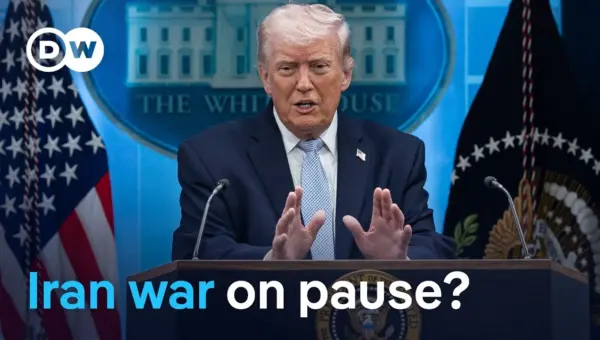
US-Iran Ceasefire Extension Fuels Tensions Amid Strait of Hormuz Standoff
The U.S. has extended a ceasefire with Iran indefinitely, a move met with skepticism by Tehran, which views it as a tactic to prepare for an attack. Tensions remain high in the Strait of Hormuz, with both nations enforcing blockades and seizing vessels. Experts suggest the U.S. decision is driven by domestic pressure, while subtle shifts in positions hint at a potential, albeit private, preference for diplomacy.
U.S.-Iran Talks Hinge on Verification, Not Trust, Expert Says
Negotiations between the U.S. and Iran are complicated by a significant trust deficit, with experts emphasizing the importance of verification over mutual trust. Both nations are reportedly seeking an exit from current tensions, but differing timelines and internal divisions, particularly within Iran, complicate potential agreements. The focus appears to have shifted from initial U.S. goals to practical issues like opening trade routes, while the fate of American hostages remains a concern.

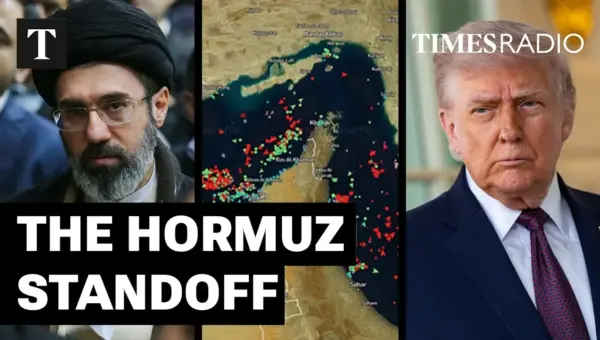
Strait of Hormuz: US and Iran Both Hold Key to Open Waters
The Strait of Hormuz, a vital global oil route, is effectively controlled by both the U.S. and Iran, requiring mutual agreement for open passage. Diplomatic efforts are stalled amidst escalating tensions, with both nations asserting control through actions like blockades and vessel seizures. Experts predict a negotiated resolution within weeks, though ensuring safe passage will remain a challenge.