GOP Pushes to Fund ICE, Border Patrol Amidst Global Tensions
Congressional Republicans are working to pass a reconciliation bill to fund ICE and Border Patrol, facing a May 15th deadline. Congressman Ralph Norman emphasized the urgency and financial cost of delayed funding. The discussion also covered U.S. policy towards Iran and concerns about "birth tourism" loopholes.


GOP Pushes to Fund ICE, Border Patrol Amidst Global Tensions
Congressional Republicans are rallying to secure funding for Immigration and Customs Enforcement (ICE) and Customs and Border Protection (CBP). President Trump is urging lawmakers to unite behind this crucial spending.
South Carolina Congressman Ralph Norman discussed the urgency of the situation, highlighting the financial toll of delayed funding. He stated that not funding these agencies costs Americans $1.6 billion every two weeks.
The current plan involves a reconciliation bill, which is a legislative process allowing certain bills to pass with a simple majority in the Senate. Congressman Norman indicated that leadership is working through the details.
A key deadline is May 15th, when the Senate is expected to send over its instructions for the bill’s contents. The primary focus for this bill is $70 billion allocated for ICE and Border Patrol.
Focus on Core Funding
While other proposals, like the Save America Act, are significant, they are unlikely to be included in this specific reconciliation bill. Congressman Norman explained that the current political climate makes a “skinny” bill, focused solely on ICE and Border Patrol funding, the most feasible option. This streamlined approach aims to ensure the essential agencies receive the resources they need without getting bogged down by broader legislative debates.
The delay in funding has led to a shutdown of vital operations for 66 days, according to Norman. He described this situation as “outlandish” but expressed confidence that Republicans will find a solution.
The goal is to secure the necessary 51 votes in the Senate to pass the bill. This effort aims to end the prolonged shutdown and restore full operational capacity to these critical security agencies.
U.S. Policy Towards Iran
The discussion also touched upon the complex relationship with Iran. White House Press Secretary Caroline Levitt mentioned the administration’s flexible approach towards Iran, despite its past actions.
Congressman Norman offered a stark assessment of Iran’s leadership, suggesting President Trump has significantly weakened their capabilities. He expressed hope that complete destruction of the country, including its infrastructure, would not be necessary.
Iran cannot keep imploding the ships that are there. It just can’t continue to happen by a lunatic group of leaders who care nothing about their people.
Norman emphasized that Iran’s continued aggression, including attacks on ships, is unacceptable. He believes the president’s firm stance and actions have sent a clear message.
While additional time for diplomacy might be granted, he warned that Iran will face consequences if they do not engage in meaningful negotiations. The U.S. has taken steps, such as stopping vessels from entering or exiting Iranian ports, to maintain pressure.
The “Birth Tourism” Issue
A separate concern raised was the issue of “birth tourism.” Four senators have asked the Department of Homeland Security secretary to address a loophole allowing Chinese nationals to visit the Northern Mariana Islands for 14 days without a visa. The potential for these visitors to give birth in U.S. territory is seen as a loophole that needs correction.
Congressman Norman stated that this issue requires more than just investigation; it needs immediate correction. He cited reports of over a million Chinese nationals entering the Northern Mariana Islands, a U.S. territory.
Norman believes this influx is not the intended use of the visa waiver program and is essentially illegal immigration. He is confident that President Trump will take action to stop this practice.
Why This Matters
The push to fund ICE and Border Patrol highlights the ongoing debate about national security and immigration policy. The financial implications of a shutdown are significant, impacting the operational capabilities of agencies responsible for border security.
The administration’s approach to Iran highlights the delicate balance between diplomacy and the use of economic and military pressure in international relations. Addressing loopholes like “birth tourism” reflects concerns about immigration enforcement and national sovereignty.
Implications and Future Outlook
The success of the reconciliation bill will determine the immediate funding for ICE and CBP. Delays could further strain resources and impact border operations. In foreign policy, the situation with Iran remains volatile, with potential for escalation or de-escalation depending on diplomatic outcomes and Iran’s actions.
The “birth tourism” issue may lead to policy changes or increased scrutiny at U.S. territories and borders. Future actions will likely depend on upcoming legislative votes, international negotiations, and continued enforcement efforts.
The timeline for these developments is pressing. The Senate’s instructions on May 15th will be a critical indicator for the ICE and Border Patrol funding. Meanwhile, ongoing international events and domestic policy debates will continue to shape the actions of the U.S. government.
Source: We See The Urgency of Funding ICE, Border Patrol And We'll Fund it: Rep. Norman (YouTube)

Related Articles


American Held in Iran: Hope Fades Amidst Brutal Prison Conditions
American-Iranian citizen Siamak Namazi faces dire conditions in Iran's Evin Prison, with his attorney expressing grave concerns about his health and safety. Communication is severely limited, leaving his family in the dark. Calls are growing for humanitarian intervention and for his release as a goodwill gesture in ongoing U.S.-Iran negotiations.
US-Iran Ceasefire Extension Fuels Tensions Amid Strait of Hormuz Standoff
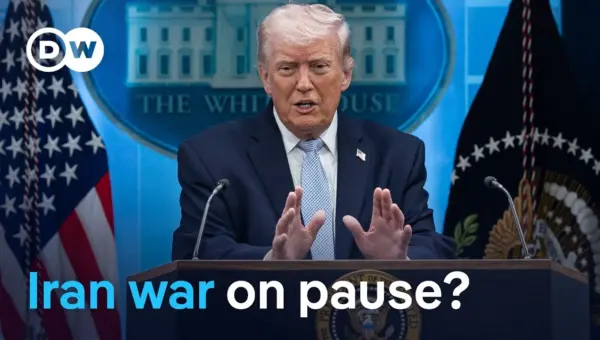
The U.S. has extended a ceasefire with Iran indefinitely, a move met with skepticism by Tehran, which views it as a tactic to prepare for an attack. Tensions remain high in the Strait of Hormuz, with both nations enforcing blockades and seizing vessels. Experts suggest the U.S. decision is driven by domestic pressure, while subtle shifts in positions hint at a potential, albeit private, preference for diplomacy.


U.S.-Iran Talks Hinge on Verification, Not Trust, Expert Says
Negotiations between the U.S. and Iran are complicated by a significant trust deficit, with experts emphasizing the importance of verification over mutual trust. Both nations are reportedly seeking an exit from current tensions, but differing timelines and internal divisions, particularly within Iran, complicate potential agreements. The focus appears to have shifted from initial U.S. goals to practical issues like opening trade routes, while the fate of American hostages remains a concern.