Trump Allies Misuse Faith, Offend Christian Base
Figures like Pete Hegseth and J.D. Vance, along with Donald Trump, are criticized for misusing religious language and symbols. Their actions, including a controversial prayer and lecturing the Pope, are seen as alienating Christian supporters and undermining faith traditions.

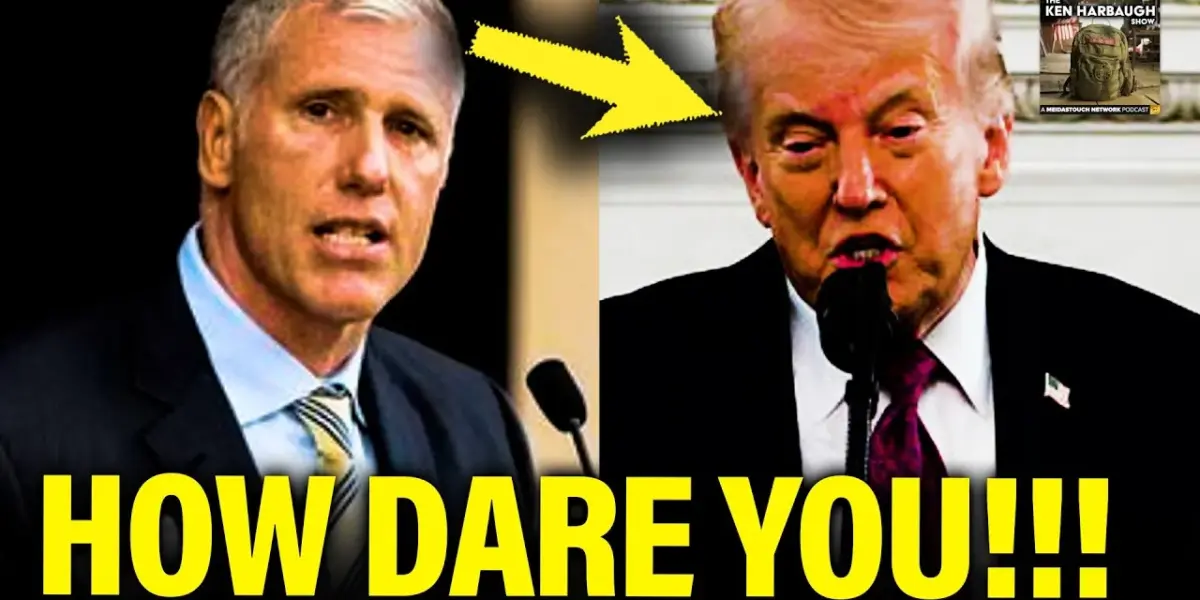
Trump Allies Misuse Faith, Offend Christian Base
Recent actions by figures associated with Donald Trump have sparked controversy, with critics arguing they misuse religious language and disrespect Christian traditions. Pete Hegseth, J.D. Vance, and Donald Trump himself have all been called out for using faith in ways that many find offensive, particularly to Christians who form a significant part of Trump’s base.
Hegseth’s Prayer and the ‘Infidel’ Tattoo
Pete Hegseth, while leading a Pentagon religious service, delivered a prayer that he believed was from the Bible but was actually a quote from the movie ‘Pulp Fiction.’ This happened as he oversaw a war with a Muslim nation. Hegseth’s own body art, including a crusader tattoo and the word ‘infidel’ on his forearm, has also drawn criticism for its provocative nature in such a context.
Reverend Paul Brynes Rousenbush, president of Interfaith Alliance, highlighted the historical context of the Treaty of Tripoli, signed in 1796. This treaty stated that the United States was not founded on the Christian religion and should have no enmity towards Muslim neighbors. Rousenbush argues that Hegseth’s approach, which seems to frame the conflict as a holy war, goes against this foundational American principle.
Rousenbush also pointed out that Hegseth’s pastor is a Christian nationalist who has suggested revoking women’s right to vote. This association, combined with Hegseth’s actions at the Pentagon, suggests a dangerous zealotry that is out of place in a military setting. The military, Rousenbush stressed, needs to be focused and intentional, not driven by such extreme views.
Vance’s Theology Lessons for the Pope
Senator J.D. Vance, a recent convert to Catholicism, has also faced criticism for his public statements on faith.
At a Turning Point USA conference, Vance advised the Pope to be careful when discussing theology, drawing a parallel to public policy discussions. He specifically invoked the long tradition of just war theory within Catholicism.
This stance is seen by critics as particularly audacious, as Vance is lecturing the Pope on a theological matter where the Catholic Church has a tradition dating back nearly two millennia. Pope Leo, who was head of the Augustinian order that codified just war theory, was the subject of Vance’s advice. Rousenbush suggested that Vance might be using his faith as a convenience rather than a guiding principle.
The situation is further complicated by the fact that Pope Francis himself had previously sent a letter addressing Vance’s theological positions, indicating a disagreement from the highest levels of the Church. Some observers believe Vance’s public pronouncements could cause him trouble within the Catholic community, especially if he is considered a leading contender for future political office.
Trump’s Transactional Faith and AI Jesus
Donald Trump’s relationship with faith has also come under scrutiny. He once posted an AI-generated image of himself as Jesus, later claiming he thought it was a doctor. This followed a social media post on Easter Sunday that was seen as offensive to Muslims.
The speaker in the video suggested that Trump views his relationship with God as transactional, believing God’s purpose is to serve him. This is contrasted with Abraham Lincoln’s approach, who prayed to be on God’s side, rather than for God to be on his. The speaker implies that Trump has reversed this, expecting divine assistance for his own agenda.
The speaker also noted the broader pattern within the Trump administration, recalling an incident on the first day of Trump’s inauguration where a bishop was attacked for praying for immigrants and LGBTQ individuals. This suggests a pattern of hostility towards anyone not in political lockstep with the administration, even if their views stem from their faith tradition.
Why This Matters
The misuse of religious language and symbols by political figures can have serious consequences. It can alienate religious communities, sow division, and undermine the principles of religious freedom and separation of church and state. When public officials appear to use faith for political gain or to denigrate opponents, it erodes trust and can lead to a more polarized society.
For the military, maintaining a neutral stance on religion is crucial. Religious insensitivity or favoritism can damage morale, create divisions among service members, and distract from the mission. The Treaty of Tripoli is a reminder that American foreign policy and national identity have historically encompassed religious pluralism.
Implications and Future Outlook
This trend of weaponizing faith in political discourse raises concerns about the future of religious tolerance and civil debate in America. The actions of Hegseth, Vance, and Trump suggest a willingness to provoke and alienate religious groups for political advantage. This could further entrench political divisions and make it harder to find common ground.
The Catholic Church, in particular, seems to be pushing back against what it views as disrespectful treatment from certain political figures. The criticism directed at J.D.
Vance by the Church hierarchy indicates a potential shift in how religious institutions engage with politicians who seem to use faith instrumentally. This could lead to a more assertive role for religious leaders in public discourse.
The upcoming months will likely see continued debate about the intersection of faith and politics. As elections approach and political figures vie for support, the way they engage with religious themes will remain under intense public scrutiny. The historical context of American religious freedom and pluralism will likely be invoked by those seeking to counter divisive rhetoric.
Source: Christian Minister TURNS THE TABLES on Trump WAR Strategy (YouTube)

Related Articles

Trump Approval Plummets to Record Low Amid Voter Concerns
New polling data indicates Donald Trump's approval rating has fallen to its lowest point, hovering in the low-to-mid 30s. This decline is attributed to growing voter concerns over the economy, immigration, and foreign policy. The findings come at a critical time as the nation approaches the midterm elections.
Trump’s Iran Talks Stall, Supreme Court Rebuke, and Election Claims
Donald Trump's diplomatic efforts with Iran remain stalled, with the U.S. and Iran trading accusations of hypocrisy and unmet commitments. Meanwhile, Trump faced a Supreme Court rebuke over illegal tariffs, leading to ordered refunds that he allegedly threatened businesses against pursuing. The focus then shifted to Trump's claims of a "rigged" election in Virginia, even as redistricting plans in several states may lead to increased Democratic representation in Congress.
Trump’s Iran Deal Failure Fuels Inflation, Legal Battles
Donald Trump's failed Iran negotiations have coincided with rising fuel prices and legal battles over his unlawful tariffs. Experts like Ernest Monise criticize the dismantling of the 2015 Iran nuclear deal, warning of Iran's increased uranium enrichment. Meanwhile, concerns are mounting over FBI Director Cash Patel's conduct and politically motivated investigations within the Justice Department.