China Backs US Blockade, Squeezing Iran’s Oil Lifeline
China's backing of a U.S. naval blockade is effectively cutting off Iran's oil exports. This move aims to pressure Iran into negotiations but carries significant political risks for the U.S. president, especially with high gas prices impacting voters.

China Backs US Blockade, Squeezing Iran’s Oil Lifeline
The United States has successfully put pressure on Iran by blocking its oil exports, and notably, China has given its approval. This move effectively cuts off Iran’s main source of income. The U.S. Navy has warned ships carrying Iranian oil that they will face force if they do not comply with the blockade. This has already caused at least nine ships to turn back from their intended destinations.
U.S. Navy Enforces Blockade
Imagine being the captain of a large oil tanker. You’re trying to deliver your cargo and make money. Suddenly, a powerful U.S. Navy destroyer appears. The American captain issues a stern warning: turn back or face consequences. This is the nerve-wracking reality for ships involved in Iran’s oil trade. The U.S. is making it clear that it will use its naval power to stop Iran from selling oil. So far, this strategy appears to be working, leaving Iran’s government struggling financially.
China’s Crucial Support
What makes this blockade particularly effective is China’s apparent agreement. Normally, a move like this in international waters could cause a major dispute. However, China, a major global player, has not objected. This suggests a quiet understanding or approval from Beijing. This is a significant development because if China had opposed the blockade, it would have been much harder for the U.S. to enforce it. The U.S. and China have reportedly exchanged letters regarding the blockade, indicating a level of diplomatic engagement on the issue.
Economic Pressure on Iran
The goal of this blockade is to force Iran to negotiate with the United States. By cutting off its oil revenue, the U.S. hopes to make Iran so desperate that it will accept the U.S. terms. Iran relies heavily on oil sales to fund its government and activities. Without this income, the Iranian regime faces serious economic hardship. This economic pressure is seen as a key tool to influence Iran’s behavior on the world stage.
Domestic Political Concerns in the U.S.
While the blockade aims to pressure Iran, it also has consequences at home. The U.S. public is sensitive to the costs of military actions and foreign entanglements. Polls suggest that a majority of Americans do not believe U.S. military action in the region is worth the cost. This is especially true when combined with high gas prices. The current president was elected on a promise to end what he called “forever wars.” Many voters supported him because they were tired of long-term military involvement in places like Afghanistan, Vietnam, and Iraq. They want the government to focus on domestic issues.
The Trade-Off: Taxes vs. Gas Prices
The administration’s argument is that tax breaks given to Americans can help offset the pain of higher gas prices. The idea is that people have more money in their pockets due to lower taxes, and they can then decide how to spend it, even if some of it goes to higher fuel costs. However, many Americans may choose to spend that extra money on necessities like gas, rather than on other things. This economic balancing act is a delicate political challenge for any president.
Potential Midterm Election Impact
If the conflict with Iran continues and gas prices remain high or go even higher, it could have a major impact on upcoming elections. The political cost to the president could be very high. Republicans are likely to use these issues to their advantage. The feeling among voters could be that the country is paying too much, both in terms of money spent abroad and higher prices at home. This could lead to a significant shift in political power.
Historical Context
The U.S. has a long history of using economic tools, like sanctions and blockades, to influence other countries’ behavior. This approach is often seen as an alternative to direct military conflict. However, such actions can also lead to unintended consequences, including economic hardship for the populations of targeted countries and potential escalation of tensions. The current situation with Iran echoes past efforts to isolate and pressure regimes through economic means, but the involvement of major powers like China adds a new dimension.
Global Impact
This situation highlights the complex web of global interests. China’s backing of the U.S. blockade suggests a pragmatic approach to maintaining stability in the energy markets, even if it means cooperating with a geopolitical rival. It also signals a potential shift in how major powers interact, where economic interests can sometimes override traditional rivalries. The squeeze on Iran’s oil exports could affect global oil prices and supply chains, impacting economies worldwide. The success of this blockade could also encourage similar tactics in future international disputes.
Future Scenarios
One possible future is that Iran, facing severe economic pressure, agrees to negotiations and accepts U.S. terms. Another scenario is that Iran attempts to find new ways to circumvent the blockade, perhaps through illicit trade or by seeking support from other nations. There is also the risk that the situation could escalate, leading to more direct confrontation. The political climate in the U.S., heavily influenced by public opinion on gas prices and foreign policy, will play a crucial role in shaping the administration’s response moving forward.
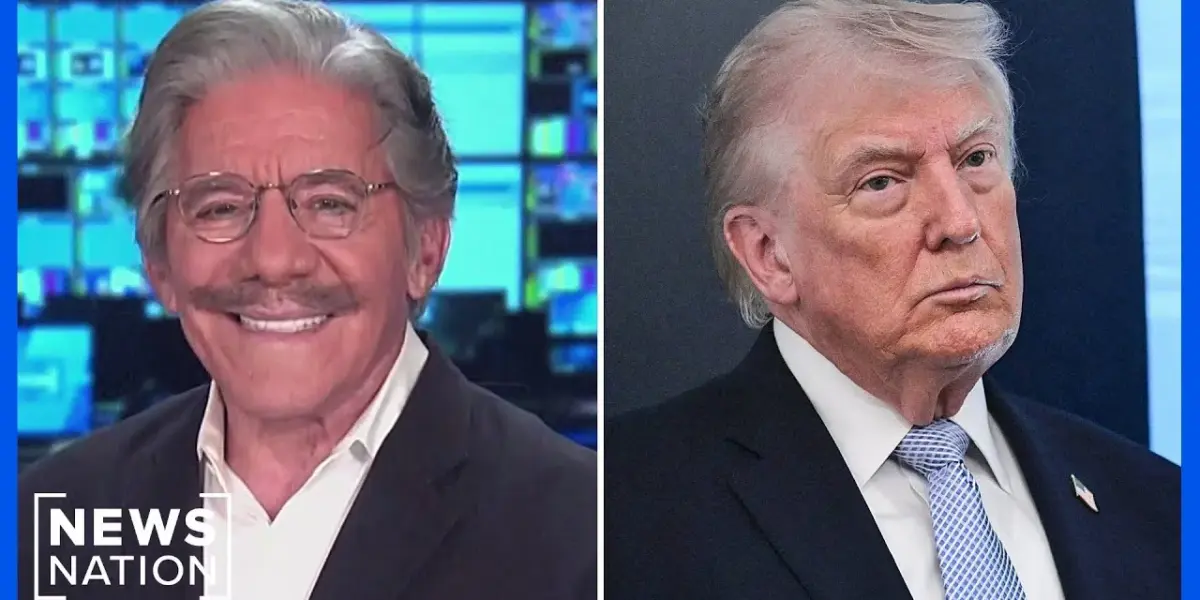
Source: Trump, Republicans will deal with 'stampede' in midterms if war persists: Geraldo Rivera (YouTube)

Related Articles
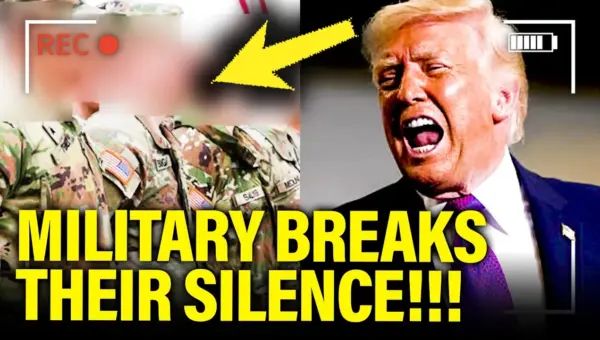
Soldiers Speak Out, Exposing War’s Brutal Reality
US soldiers are breaking ranks, challenging official narratives after a deadly drone attack in Kuwait. Survivors describe being left exposed and unprepared, contradicting Pentagon claims. This dissent is mirrored by a surge in troops seeking conscientious objector status and a shake-up of military leadership.
US Actions Abroad Questioned: Rogue State Behavior Alleged
Harvard professor Stephen Walt argues the U.S. is acting like a "rogue state" due to impulsive foreign policy, questionable war planning, and a disregard for international norms. The conflict with Iran highlights limitations in American power, leading allies to question U.S. judgment and seek more stable global partners.
US-Iran Peace Talks Stall; Gap ‘Wider Than Strait of Hormuz’
Peace talks between the U.S. and Iran remain stalled, with a significant gap described as 'wider than the Strait of Hormuz.' Despite White House optimism about ending the conflict and lowering gas prices, public opinion shows weariness and concern over the war's economic toll. International diplomatic efforts continue, but major hurdles persist in resolving key issues.