Lebanon as Iran’s Proxy? Lebanon Speaks Out
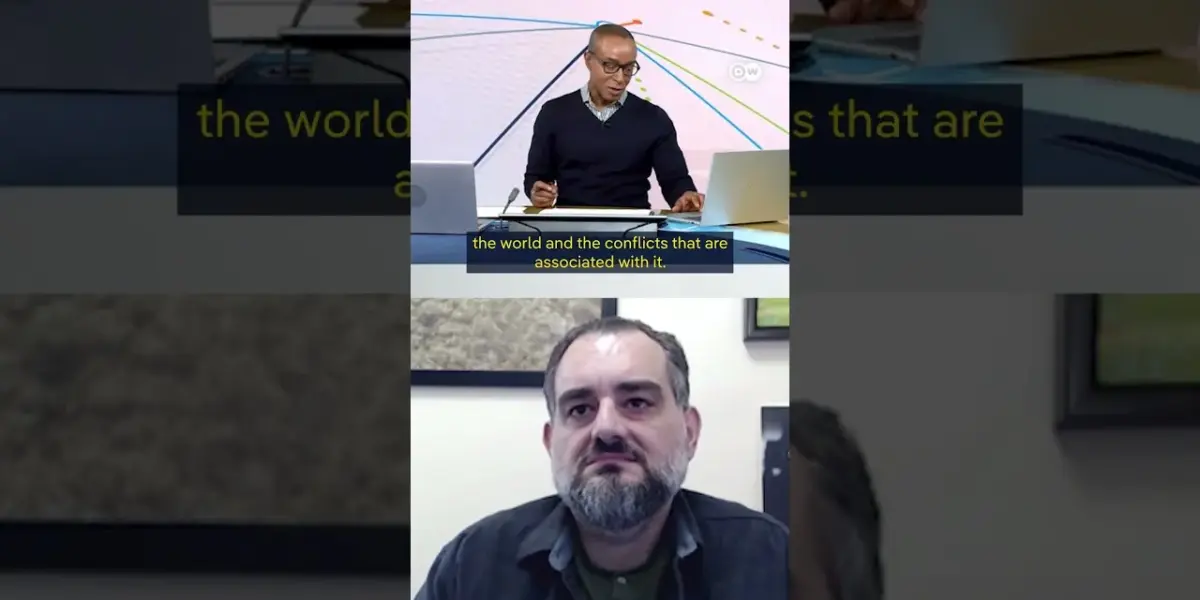
A Lebanese voice is questioning if Lebanon is being used as a pawn in a larger conflict between Iran and Israel, challenging external narratives. The speaker describes the Iranian state as a violent "criminal enterprise" responsible for killing its own citizens, refuting claims that equate Iran's actions with those of the U.S. and Israel.

Lebanon Caught in Middle of Regional Tensions
A Lebanese voice is speaking out, questioning whether Lebanon is being used as a pawn in a larger conflict involving Iran and Israel. The speaker, who identifies as Lebanese, expresses frustration with external forces dictating the lives of people in the region. This perspective emerges amidst ongoing discussions about the complex relationship between Iran, Israel, and the United States.
The sentiment suggests that while attention is focused on potential U.S.-Iran conflict, actions within Lebanon are being overlooked. This fuels a debate about who is truly pulling the strings and what the ultimate goals are for the region. The speaker’s personal connection to the conflict highlights the human cost of these geopolitical maneuvers.
Accusations of Conspiracy and State Violence
The speaker directly addresses and refutes the idea of a conspiracy involving Israel and the United States. Instead, the focus is placed squarely on Iran’s actions and its leadership. The United States has openly stated its goal of regional influence, pursued through various means, including military and cultural power.
In stark contrast, the speaker describes Iran’s approach as one of violence and oppression. A personal tragedy is shared: the death of a friend, attributed to Iran and its Revolutionary Guard Corps (IRGC). This is not an isolated incident, as the speaker notes that Iranian academics have received threats of retaliation against American universities following bombings in Tehran, an event with which academics had no connection.
Iran’s Regime as a ‘Criminal Enterprise’
The Iranian state is characterized by the speaker as a “drug dealing criminal enterprise” rather than a legitimate government. This strong language is used to describe a regime that allegedly kills its own citizens for a living. Over 40,000 of its own people have reportedly been killed by the Iranian government.
This perspective challenges those who, like the mentioned “Tintin,” equate the actions of the Americans and Israelis with those of Iran. The speaker emphasizes the distinction between the Iranian people and the ruling regime, highlighting the regime’s violent methods. As a Lebanese, the speaker asserts a desire for autonomy and rejects the notion that outsiders should dictate their fate or encourage them to fight for foreign interests.
Broader Implications for Regional Stability
The comments raise critical questions about the true nature of the conflict in the Middle East. If Lebanon is indeed being used as a proxy battleground, it suggests a deliberate strategy by Iran to project power and influence without direct confrontation. This would place Lebanese civilians at the center of a dangerous geopolitical game.
The speaker’s plea highlights the need for a nuanced understanding of the region’s conflicts. It moves beyond simplistic narratives and calls for accountability for state-sponsored violence. The frustration expressed by the Lebanese speaker highlights the human impact of international power struggles and the desire for self-determination.
What’s Next?
Future developments will likely involve continued scrutiny of Iran’s regional activities and its relationship with groups operating within Lebanon. International bodies and regional actors will be watching closely to see how these tensions evolve and whether Lebanon can assert its sovereignty amidst these complex geopolitical pressures. The ongoing discourse, particularly from voices within affected nations, will be crucial in shaping perceptions and potential resolutions.
Source: Is Lebanon Israel's real target in the Iran war? | DW News (YouTube)

Related Articles

Iran’s Oil Sites Explode Amid Gunfights and Naval Threats
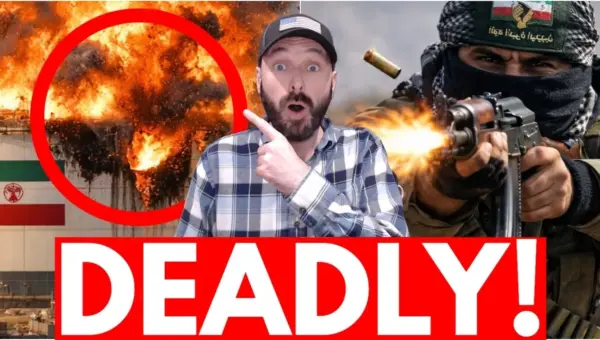
Mysterious explosions have hit Iran's oil infrastructure, raising concerns about sabotage. Meanwhile, IRGC officials were killed in a violent ambush, and Iran continues to threaten US naval forces. The US military remains on high alert, ready to resume operations if a ceasefire collapses.
US Signals Readiness to Strike Iran’s War Machine
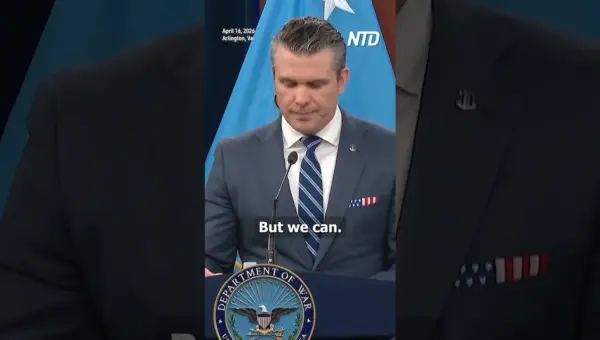
The U.S. military has issued a stern warning to Iran, stating that all their movements are being watched and that America is ready to restart combat if needed. Officials highlighted Iran's limited ability to repair its military, contrasting it with America's growing strength and superior intelligence.

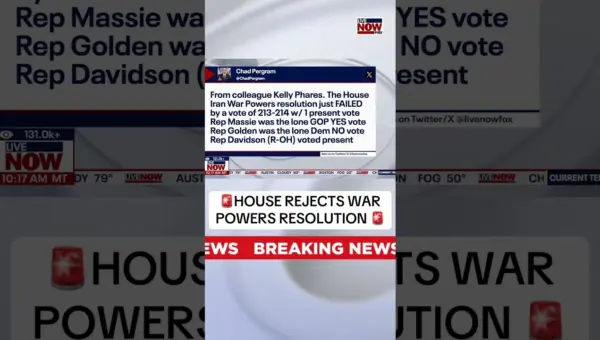
House Rejects War Powers Resolution on Iran
The House of Representatives narrowly defeated a resolution aimed at limiting President Trump's military actions against Iran, with a vote of 213-214. The close outcome revealed divisions among lawmakers, including key votes from a Republican and a Democrat who supported the measure. This decision reinforces the President's authority in foreign military engagements.