White House Defends Trump’s Iran Threats Amid War Crime Concerns
The White House is defending President Trump's threats to destroy Iran's civilian infrastructure, asserting that all actions will comply with international law. The President's statements, including targeting power plants and desalination facilities, have raised concerns about potential war crimes. Administration officials claim the threats are aimed at compelling Iran to negotiate a new deal.

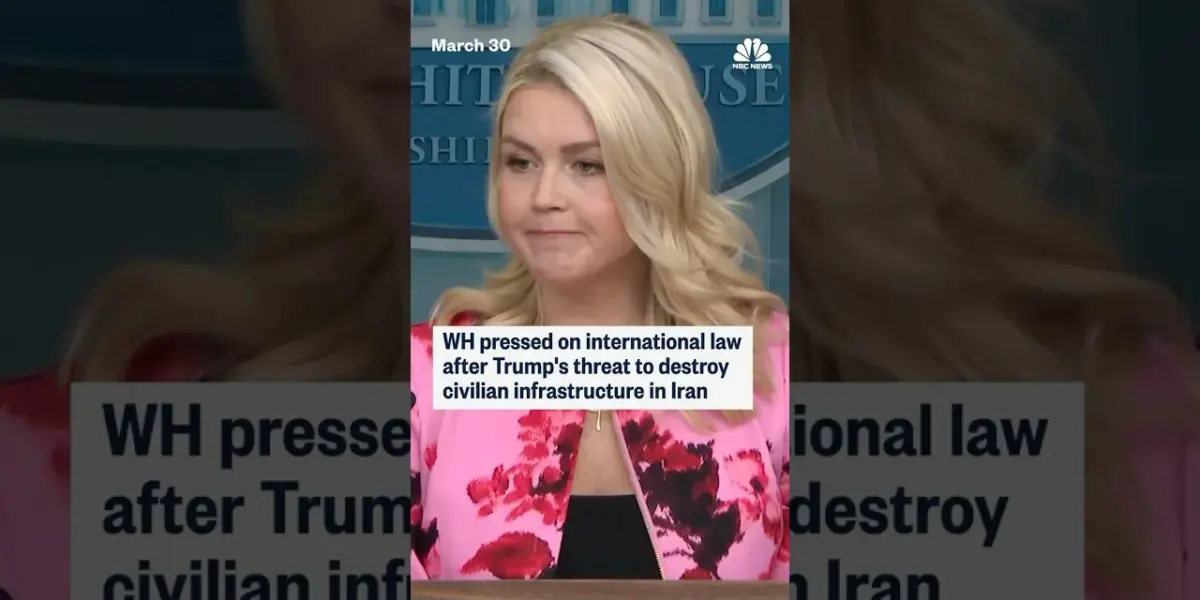
US Defends President’s Threats to Iran’s Infrastructure
The White House faced tough questions today regarding President Trump’s recent statements about potentially destroying Iran’s civilian infrastructure if a deal is not reached. A reporter pressed the administration on how these threats align with international law and the US policy of not targeting civilians.
The President had stated that upon leaving office, the US might obliterate Iran’s electric plants, oil wells, and possibly all desalination plants. This sparked concerns about potential war crimes.
Administration Cites ‘Lawful Conduct’
In response, a White House official asserted that the President has made his position clear to the Iranian regime. The message is that striking a deal is their best option. The official stated that the United States armed forces possess capabilities beyond Iran’s imagination, and the President is prepared to use them if necessary.
However, the official also emphasized that the administration and the US military will always act within the bounds of the law. This statement aims to balance the President’s strong rhetoric with established legal principles.
Operation Epic Fury Objectives
The reporter continued to press for clarification, asking how destroying a desalination plant would specifically help achieve the objectives of “Operation Epic Fury.” This operation was mentioned as the driving force behind the President’s stance. The official did not provide a direct answer to this specific question, indicating a focus on the broader goal of compelling Iran to negotiate.
International Law and Civilian Infrastructure
Under international law, striking civilian infrastructure like power plants or water facilities is generally prohibited. Such actions can be considered war crimes if they are not directed at a legitimate military objective.
The President’s explicit threat to destroy these types of facilities raised immediate concerns among legal experts and international observers. The White House’s defense hinges on the claim that all actions will remain within legal confines, despite the nature of the threats being made.
Context of the Threats
These statements come at a critical juncture in US-Iran relations. The Trump administration has pursued a policy of “maximum pressure” against Iran since withdrawing from the Joint Comprehensive Plan of Action (JCPOA) in 2018.
This has included economic sanctions and heightened military posturing in the region. The President’s threats appear to be an attempt to force the Iranian government back to the negotiating table to agree to a new deal that addresses concerns about Iran’s nuclear program, ballistic missiles, and regional activities.
Broader Implications for Diplomacy
The administration’s approach highlights a tension between aggressive diplomatic signaling and adherence to international norms. While the US asserts its commitment to lawful conduct, the rhetoric itself could be seen as inflammatory.
Such strong language may complicate diplomatic efforts and potentially increase regional instability. The effectiveness of this strategy in achieving a “deal” remains a subject of debate among foreign policy experts.
What to Watch Next
All eyes will be on Iran’s response to these latest statements and whether any diplomatic channels open for further negotiation. The actions taken by both the US and Iran in the coming weeks will be crucial in determining the path forward. The international community will also be observing closely to ensure that international law is upheld throughout any potential escalation or de-escalation of tensions.
Source: WH pressed on international law after Trump's threat to destroy civilian infrastructure in Iran (YouTube)

Related Articles

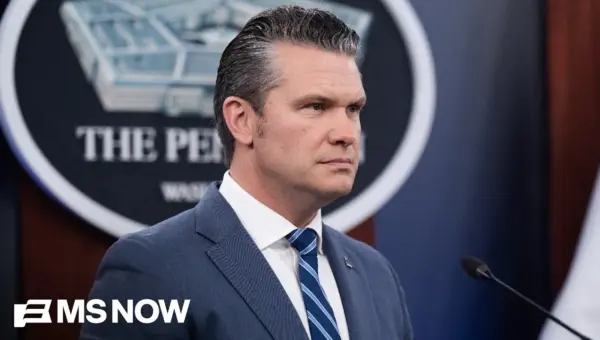
US Warns Iran: Choose Deal or Face Blockade and Bombs
The U.S. military has issued a stark warning to Iran, urging the regime to choose a diplomatic deal or face a combination of naval blockade and targeted strikes. Admiral Bradley Cooper detailed Operation Epic Fury, highlighting U.S. military superiority and intelligence capabilities. The U.S. also criticized negative media coverage, praising troops' achievements.

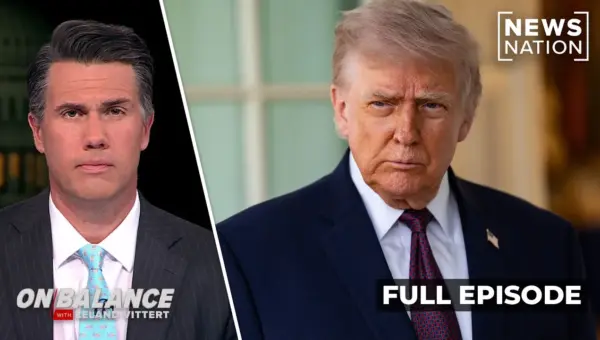
Trump’s Desperate Bid for a Win Amidst Global Tensions
President Trump is seeking a decisive win amidst a public feeling of unease and a complex foreign policy challenge with Iran. The Strait of Hormuz standoff and China's role add significant global tension. Analysts debate perception versus reality, while the upcoming midterms loom.

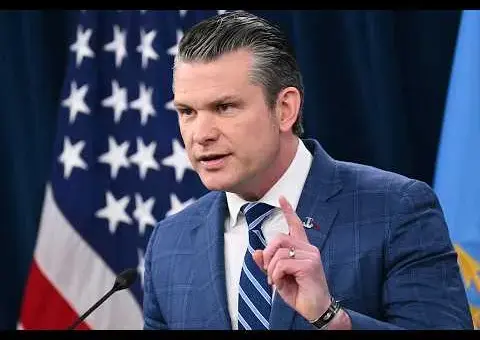
US Tightens Grip: Iran Faces Blockade and Economic Fury
The U.S. has implemented a naval blockade against Iran, crippling its energy exports and intensifying economic pressure. Officials state Iran's military is depleted, while the U.S. is stronger with superior intelligence. The operation aims to force Iran to choose between a diplomatic resolution or severe consequences.