Navy Tightens Grip: US Enforces Strict Blockade on Iran
The US Navy has formally declared a blockade on Iranian ports, warning all vessels to turn back or face boarding and seizure. This significant move aims to exert economic and political pressure on Iran, with explicit threats of force for non-compliance.

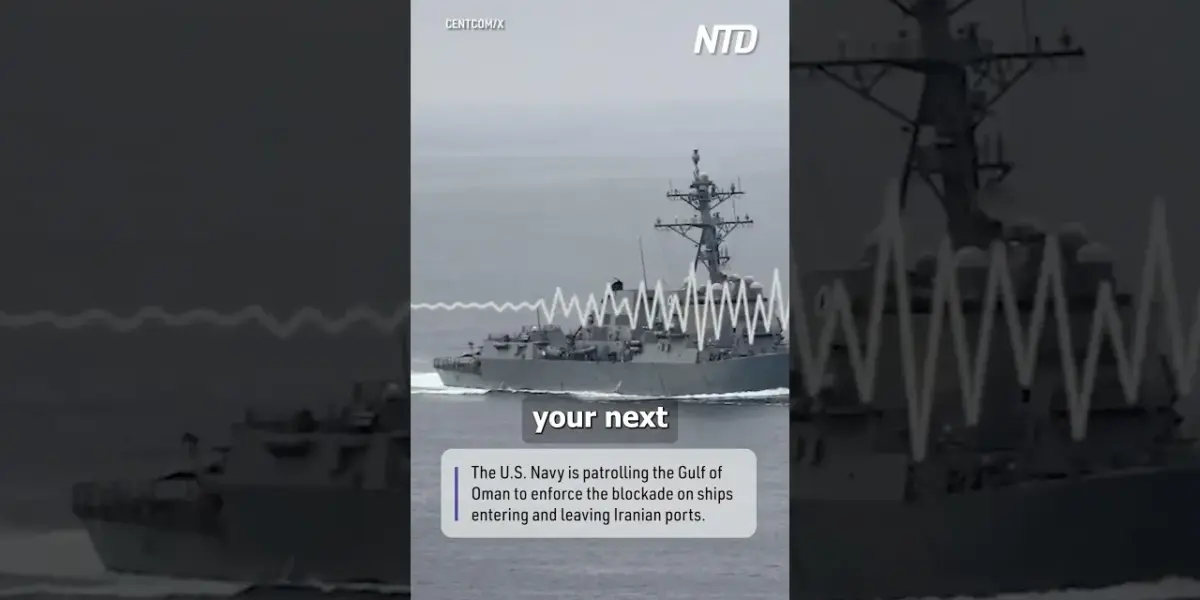
Navy Tightens Grip: US Enforces Strict Blockade on Iran
The United States Navy has formally declared and is now actively enforcing a blockade of Iranian ports and coastal areas. This move signals a significant escalation in maritime pressure on Iran. The Navy’s message is clear: all ships must respect this blockade or face serious consequences.
This isn’t just a suggestion; it’s a legal act of war, according to the Navy’s public announcement. Vessels currently heading towards Iran are being warned to turn back immediately. Those already en route are advised to discontinue their journey. The message is direct: ‘Do not attempt to breach the blockade.’
A Direct Warning to Shipping
The US Navy is leaving no room for doubt about its intentions. Any vessel found attempting to enter or leave Iranian ports will be boarded. This boarding is for interdiction, meaning to stop and search, and potentially seizure of the ship and its cargo. The Navy’s statement is stark: ‘Turn around and prepare to be boarded.’
The threat of force is explicit. If ships do not comply with the blockade, the United States Navy is prepared to use force to ensure compliance. The announcement emphasizes the full readiness of the US Navy to enforce these new restrictions. This suggests a high level of commitment to making the blockade effective.
Why This Matters
A naval blockade is a serious action with far-reaching implications. Historically, blockades have been used as a powerful tool in warfare to cut off an enemy’s supplies and cripple its economy. By controlling access to Iran’s ports, the US aims to exert significant economic and political pressure. This could impact Iran’s ability to export oil, import goods, and conduct international trade, potentially leading to domestic economic hardship.
The enforcement of such a blockade also raises concerns about freedom of navigation for international shipping. While the US declares this a legal act, other nations may view it differently, potentially leading to diplomatic tensions. The risk of accidental escalation is also present, as any encounter between naval forces or a defiant merchant vessel could quickly spiral out of control.
Historical Context and Background
Naval blockades have a long history in international conflict. Famous examples include the Union blockade of Confederate ports during the American Civil War, which severely hampered the South’s ability to wage war. More recently, blockades have been employed in conflicts like the Korean War and the Cuban Missile Crisis. These actions are typically undertaken to isolate a nation and force it to change its behavior without resorting to direct invasion.
The current geopolitical climate surrounding Iran, marked by ongoing tensions over its nuclear program and regional influence, provides the backdrop for this action. The US has previously used sanctions to pressure Iran, but a naval blockade represents a more direct and potentially disruptive form of coercion. It signals a hardening of US policy and a willingness to employ more assertive measures.
Implications, Trends, and Future Outlook
The immediate implication of this blockade is a significant disruption to maritime trade involving Iran. Shipping companies will likely reroute vessels to avoid confrontation, increasing costs and transit times for any legitimate trade that continues. This could also lead to higher prices for goods imported into or exported from Iran, affecting both the Iranian population and international consumers.
Looking ahead, the effectiveness of this blockade will depend on several factors. How strictly it is enforced, how other global powers react, and Iran’s own response will all play a role. If the blockade proves successful in pressuring Iran, it could become a more frequently considered tool in future international disputes. However, it also carries the risk of further isolating Iran and potentially pushing it towards more extreme actions or closer ties with adversaries of the US.
The situation highlights a broader trend of increasing maritime security operations and the use of naval power to achieve geopolitical objectives. As global trade relies heavily on sea lanes, control over these routes becomes a critical strategic advantage. The US Navy’s assertive stance in enforcing this blockade underscores the enduring importance of naval power in shaping international relations and resolving conflicts.
Source: Audio Reveals How the U S Navy Is Enforcing the Blockade of Iranian Ports (YouTube)

Related Articles
Iran Blockade Sparks War Concerns, Backfires on US, Expert Warns
The U.S. blockade on Iranian ports, aimed at crippling its economy, is sparking concerns of an "act of war" and may backfire, according to former diplomat Barbara Leaf. While the U.S. and Iran prepare for potential peace talks, hardline rhetoric and the blockade's global economic impact complicate diplomatic efforts. A key concern is a potential confrontation with China if U.S. forces intercept Chinese vessels.
US Markets Surge as Iran Tensions Ease, Oil Prices Steady
U.S. stock markets are hitting new highs as tensions with Iran ease, with the S&P 500 reaching record levels. Despite persistent oil prices around $92 a barrel, the U.S. economy shows resilience, boosted by record oil exports. The focus is shifting to the economic confrontation with Iran, including the non-renewal of oil sales waivers, and long-term strategies to bypass the Strait of Hormuz.
Trump’s Blockade Fails, Allies Shun Mission: A Pattern?
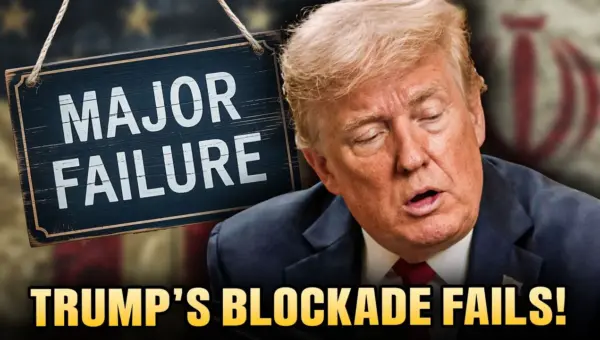
A reported failure of Donald Trump's blockade of the Strait of Hormuz, with ships passing through unimpeded, raises questions about policy effectiveness. This incident, coupled with allies' reluctance to join the mission, suggests a pattern of unintended consequences and strained international relations.