US Forces Eye Iran With New Strategic Options
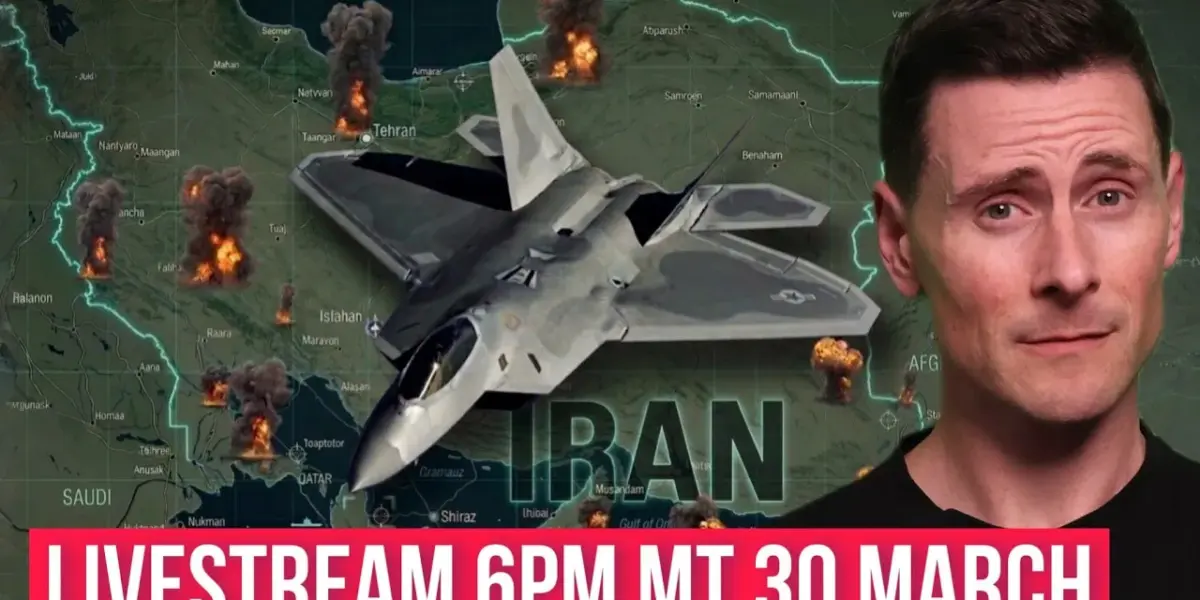
U.S. military forces are reportedly exploring strategic options for operations in Iran, favoring surgical strikes over large ground invasions. Analysis of potential Iranian military positions near the Strait of Hormuz highlights key strategic considerations. The approach signals a departure from past large-scale conflicts, emphasizing precision and avoiding protracted engagements.

US Forces Eye Iran With New Strategic Options
The United States military is exploring a range of strategic options for potential operations in Iran, moving beyond the large-scale ground invasions that characterized past conflicts. While large troop deployments are seen as a risky approach, the focus is shifting towards more targeted special operations and surgical strikes. This shift comes as Iran aims to draw the U.S. Into a wider ground war, a scenario they reportedly desire.
Imagery analysis reveals potential Iranian Revolutionary Guard Corps (IRGC) outposts positioned to disrupt the Strait of Hormuz. These locations, often disguised within civilian infrastructure like museums and universities, highlight Iran’s tactics for concealing military assets. The IRGC’s strategy involves embedding forces in sensitive areas, making them difficult targets.
Strategic Context: The Strait of Hormuz
The Strait of Hormuz is a critical maritime chokepoint through which a significant portion of the world’s oil supply passes. Iran’s ability to influence or disrupt traffic in this strait gives it considerable leverage. The U.S. Military’s interest in potential targets in this region underscores its strategic importance in maintaining global energy security and freedom of navigation.
Analysis of geographical areas like the Kuh-e Khuran protected zone shows potential for disguised military activity. Iran has a history of utilizing natural landscapes and civilian structures for military purposes. This includes locations on islands like Hengam Island, which offer strategic advantages for monitoring and potentially controlling access to the Strait of Hormuz.
Shifting Military Doctrine
The discussion points to a potential shift away from the large-scale, protracted deployments seen in Iraq and Afghanistan. Military planners are reportedly considering the deployment of units such as the 82nd Airborne Division and Marine Expeditionary Units, alongside specialized forces like the 160th Special Operations Aviation Regiment (SOAR). The goal is to avoid repeating the challenges faced in previous conflicts, particularly the difficulties of establishing and maintaining non-tactical bases.
Historical parallels are drawn to past conflicts, with a critical assessment of how forward operating bases were established in Afghanistan. One account describes a base built at the bottom of a bowl-like terrain, making it vulnerable to mortar attacks from surrounding hills. This experience highlights the importance of tactical positioning and avoiding strategically disadvantageous locations.
The Role of Special Operations
Special operations forces are being considered for their ability to conduct precise, surgical strikes. The concept of a “scalpel-type” operation suggests a focus on eliminating specific threats or leadership elements rather than broad territorial conquest. This approach aims to achieve strategic objectives with a minimal footprint and reduced risk of entanglement in a prolonged conflict.
The broader geopolitical context involves discussions around potential regime change in Iran. Reports suggest that the U.S. May be engaging with elements that could form a new government. This phase of operations, if it occurs, would likely involve covert actions to support nascent political transitions and neutralize remnants of the old regime.
Geopolitical Considerations
The economic dimension also plays a role, with discussions about Iran’s oil and its impact on global markets and the U.S. Dollar’s reserve currency status. The potential for Iran and China to deepen economic ties, including oil trade settled in Chinese yuan, could challenge the dollar’s dominance.
The article also touches on the perspective of figures like Joe Kent, a former counterterrorism official who has expressed frustration with past U.S. Military engagements. Kent’s views suggest a belief that past wars were influenced by external actors and were strategically flawed. However, the analysis presented here differentiates the potential Iran scenario from previous conflicts, emphasizing Iran’s status as a conventional military power.
Operational Planning and Secrecy
Detailed operational plans for any potential action in Iran are classified, limiting public knowledge of specific timelines and objectives. However, it is understood that high-level military leaders, such as General Raysean Kight, Chairman of the Joint Chiefs of Staff, have access to these plans and brief political leadership. This level of secrecy is standard for sensitive military operations.
The discussion highlights the complexity of Iran’s political and military structure, noting the entrenched power of the IRGC and the ruling elite. Unlike scenarios in countries with less organized opposition, Iran presents a formidable challenge. Military planning must account for this reality, moving beyond simplistic assumptions about rapid victories.
The article concludes by emphasizing that any potential U.S. Military action in Iran would be a carefully planned operation, distinct from the large-scale deployments of the past. The focus remains on strategic objectives, precise execution, and avoiding the pitfalls that have plagued previous interventions.
Source: U.S. Marines Are Preparing to UNLEASH HELL On Iran LIVESTREAM (YouTube)

Related Articles


Trump Declares Victory in Iran Conflict: A War Still Raging?
Donald Trump has repeatedly claimed victory in the ongoing conflict with Iran, stating the war was won in its first hour. However, key shipping routes like the Strait of Hormuz remain blocked, suggesting the conflict is far from over. This disconnect raises questions about the reality of the situation and its global impact.
Trump Discusses Tiger Woods, Border Security, and Iran
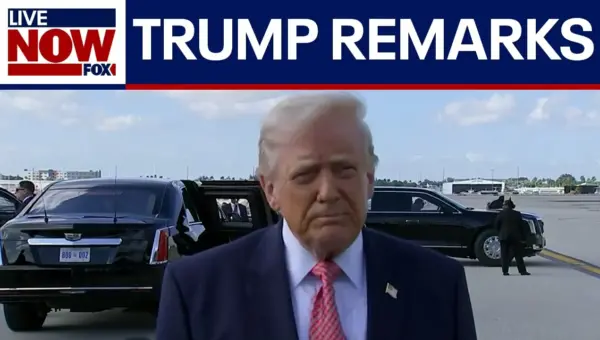
President Donald Trump addressed reporters in Miami, expressing concern for Tiger Woods following an accident. He also criticized Democrats over immigration policy, linking it to the DHS funding debate and claiming open borders allow criminals to enter the U.S. On Iran, Trump stated the country is being "decimated" and that talks are underway.
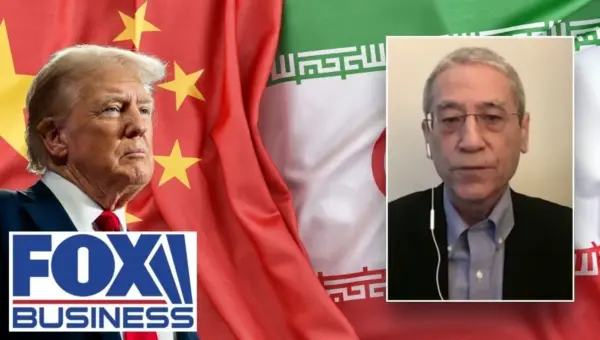
China’s Role in Conflict: Analyst Warns of Escalation
Financial analyst Gordon Chang warns against engaging with China during active conflicts, calling such discussions irresponsible. He highlights China's alleged role in attacks that killed Americans and used advanced weaponry, urging stronger U.S. rhetoric. The analyst also opposes upcoming meetings, fearing they could be exploited by China to shape global opinion.