Harrods Serves Up Lavish Afternoon Tea Experience
Luxury retailer Harrods is redefining the afternoon tea experience with an artfully presented and creatively flavored savory selection. Moving beyond traditional tiers, the service features visually striking dishes like a mint-infused cucumber sandwich and hoisin duck wraps, aiming to offer a unique and memorable occasion for discerning patrons.

Harrods Delights with Elaborate Afternoon Tea Service
Luxury department store Harrods has unveiled a visually stunning and gastronomically adventurous afternoon tea, moving beyond traditional presentations to offer a unique dining experience. The service begins with an artfully arranged plate, deviating from the typical tiered stand for an immediate visual impact.
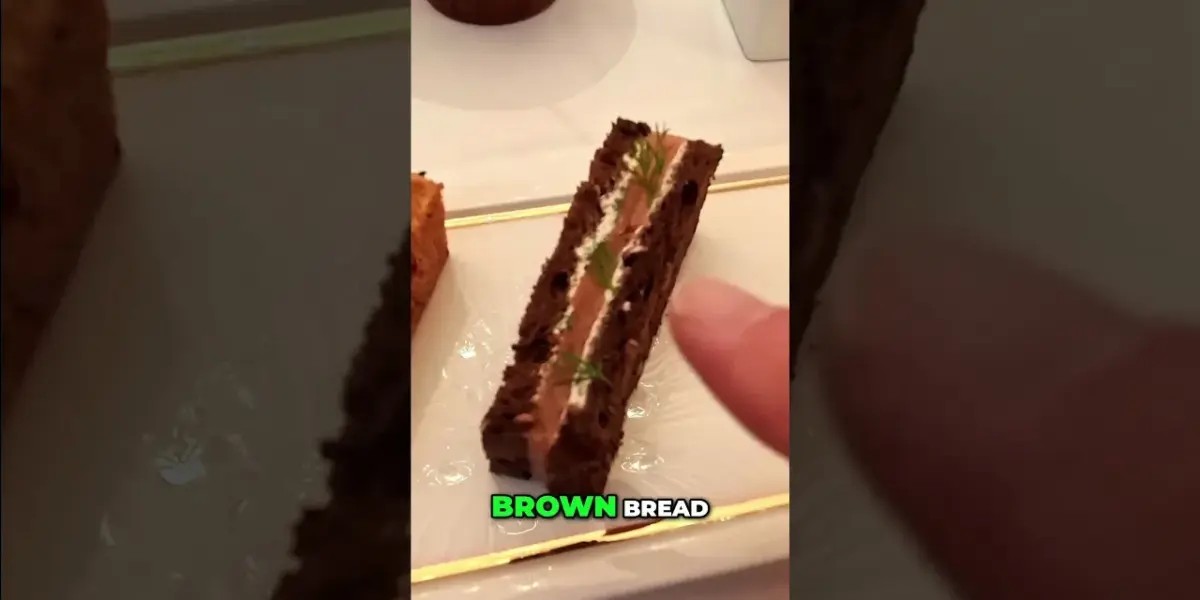
The initial savory offerings showcase a creative approach to classic tea sandwiches and more. Among the selections is a cucumber salad sandwich presented on white bread, notably flecked with fresh mint. This is complemented by a dark rye bread sandwich filled with smoked salmon and a zesty horseradish sauce.
The savory course also features a traditional cheese and pickle sandwich, prepared with care. Beyond the sandwiches, diners can experience a hoisin duck served in a delicate leaf wrap, presented as a miniature sculpture on its own small stand. This dish is described as a true work of art, elevating the presentation to a new level.
A particularly surprising element is a brown crumpet, described as unlike any seen before, adding an unexpected twist to the traditional tea menu. The overall presentation of the afternoon tea is highlighted as incredibly impressive and visually striking, setting a high standard for the dining experience.
What to Expect from the Harrods Afternoon Tea
The Harrods afternoon tea aims to offer a departure from the ordinary, focusing on both aesthetic appeal and innovative flavors. The introduction of mint in the cucumber sandwich and the combination of salmon with horseradish demonstrate a willingness to experiment with taste profiles.
The hoisin duck in a leaf wrap represents a modern interpretation of tea-time savories. Its presentation on a dedicated plinth emphasizes its status as a special item within the meal. This dish offers a blend of sweet and savory notes characteristic of hoisin sauce, paired with the richness of duck.
The unique brown crumpet further suggests a focus on reimagining familiar items. Crumpets are typically light and airy, so a denser, darker version hints at a different texture and flavor profile, possibly incorporating whole grains or other ingredients for a richer taste.
The tea service itself is also part of the elaborate setup. The act of serving the tea is integrated into the overall presentation, ensuring that the beverage complements the visual and culinary aspects of the meal. This attention to detail contributes to the luxurious feel of the experience.
Market Impact and Investor Considerations
While this specific offering is a high-end consumer experience, it reflects broader trends in the luxury hospitality sector. Brands like Harrods are increasingly using unique dining experiences to attract and retain affluent customers. This focus on experiential retail can drive foot traffic and enhance brand loyalty.
For investors, companies that successfully blend traditional offerings with innovative twists can gain a competitive edge. The success of such unique concepts can translate into increased revenue and market share within the premium segment. It also signals a shift towards emphasizing quality, presentation, and unique customer journeys.
The luxury market often thrives on exclusivity and perceived value. Harrods’ approach to afternoon tea, with its artistic presentation and creative menu items, aims to deliver precisely that. This strategy can justify premium pricing and foster strong customer engagement.
The emphasis on visual appeal, particularly through social media-friendly presentations, is also a key marketing strategy. Dishes designed to be photographed and shared can generate organic buzz and attract new clientele interested in unique experiences. This digital word-of-mouth is invaluable for luxury brands.
Long-Term Implications for the Hospitality Sector
The trend towards experiential dining suggests that consumers, especially in the luxury market, are seeking more than just food. They are looking for memorable occasions and Instagrammable moments. Restaurants and hotels that can consistently deliver these experiences are likely to perform well.
This also means that innovation in menu development and presentation is crucial. Chefs and hospitality groups must continually think outside the box to surprise and delight customers. The Harrods example shows that even traditional offerings like afternoon tea can be significantly enhanced with creative touches.
The integration of high-quality beverages, like the specially served tea, is an essential component. The complete package—food, presentation, and service—contributes to the overall perception of value and luxury. This holistic approach is becoming the standard for top-tier establishments.
The success of such elaborate offerings can influence competitors to raise their own standards. This competitive pressure can lead to a general uplift in the quality and creativity of dining experiences across the sector, benefiting consumers in the long run.
Looking ahead, establishments will likely continue to explore ways to make dining more engaging and personalized. The focus will remain on delivering exceptional quality, innovative flavors, and unforgettable presentations that cater to the evolving desires of discerning customers.
Source: Afternoon Tea at Harrods London – Amazing Savoury Selection (YouTube)

Related Articles

Fortnum & Mason’s £85 Tea: Sweet or Savoury Choice?
Fortnum & Mason's classic afternoon tea is priced at £85, offering diners a choice between a traditional sweet selection or an entirely savory experience. This pricing reflects the brand's premium positioning in the luxury hospitality market.
Palace Tea Offers Royal Experience, Priced Accordingly
An afternoon tea experience near Buckingham Palace highlights the importance of quality ingredients and traditional preparation. While the scones, cream, and jam were praised for their texture and taste, the overall cost reflects the premium location. This offers a glimpse into the luxury hospitality market's appeal.
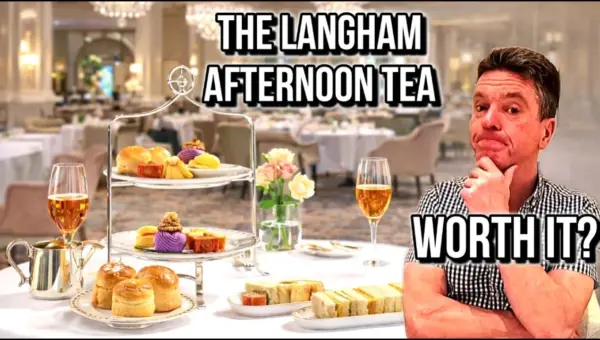
Langham Serves Original Afternoon Tea for £85
The Langham Hotel in London, the birthplace of afternoon tea, continues its 160-year tradition with a £85 offering. While the elegant setting and exceptional pastries impress, the unconventional order of serving scones last draws mixed reactions. The experience is rated 8/10.