Humpback Whale ‘Timmy’ Faces Critical Deadline to Return Home
A young humpback whale, nicknamed Timmy, is in critical condition in the Baltic Sea, an environment unsuitable for its species. Experts are focused on providing rest to help the whale regain strength needed to swim. Time is running out as the whale's survival depends on its ability to recover before its energy reserves are depleted.

Whale’s Survival Hangs in Balance as Experts Weigh Options
A young humpback whale, nicknamed Timmy, is in a critical situation as it struggles to survive in the Baltic Sea, a habitat ill-suited for its species. The whale’s ability to swim freely and return to deeper, more appropriate waters depends entirely on its strength, which it can only regain through rest. Experts are racing against time to assess Timmy’s condition and determine the best course of action before it’s too late.
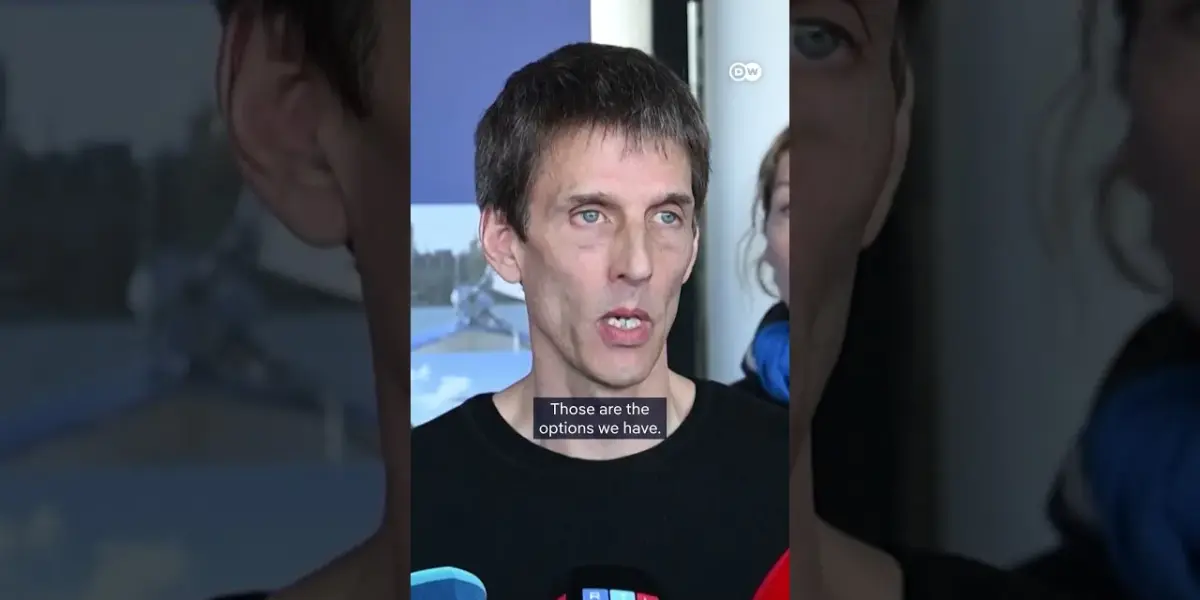
The primary concern for Timmy is his ability to generate sufficient fin movement for swimming. This requires significant strength, which is currently lacking.
His options for regaining this strength are limited: either through feeding, which is practically impossible in his current location, or through rest. This is why conservationists have been focused on providing him with a calm environment, minimizing stress and disturbance.
The Baltic Sea: A Dangerous Environment for Humpbacks
The Baltic Sea presents a dangerous and unsuitable environment for large whales like humpbacks. Its shallow depths, specific salinity levels, and a general lack of natural food sources pose immediate threats. The region experiences heavy ship traffic and significant human activity, all of which present dangers to a large marine mammal.
These factors combine to make the Baltic Sea a perilous territory for whales like Timmy. The risks are complex, ranging from potential ship strikes to starvation and disorientation. The whale’s presence here is a clear indicator that it is far from its natural habitat and struggling to adapt.
Expert Challenges and Limited Solutions
Marine biologists and conservationists face immense challenges in helping Timmy. The initial goal was not to force the whale into deeper waters, but rather to ensure it had the physical capacity to swim there on its own. This capacity is directly tied to the whale’s energy reserves and overall health.
“It’s not about pulling the whale into deeper water. It’s solely about whether the whale is fit enough to perform fin movements itself and swim, and for that, it needs strength,” explained one expert involved in the rescue efforts. This strength, as noted, can only be gained through rest, as feeding opportunities are severely limited in the Baltic.
A Race Against Time for Timmy
The clock is ticking for Timmy. The longer the whale remains in the Baltic, the more its energy reserves deplete, making a successful recovery and return to its natural feeding grounds increasingly unlikely. The team is working under strict limitations, focusing on providing the best possible conditions for the whale to recuperate.
The situation highlights the vulnerability of marine life to environmental changes and human impact. Conservation efforts for species like humpback whales require constant monitoring and adaptive strategies to address the unique challenges they face in different parts of the world’s oceans.
Broader Implications for Marine Conservation
Timmy’s plight is a clear reminder of the threats facing marine megafauna. Humpback whales, while making a comeback in some areas, still face numerous dangers, including entanglement in fishing gear, ship strikes, and pollution. Their migratory patterns often take them through busy shipping lanes and areas with reduced food availability.
This incident highlights the importance of international cooperation in marine conservation. Understanding whale behavior, tracking their movements, and mitigating human impacts are crucial for protecting these magnificent creatures. The challenges faced in the Baltic Sea could inform strategies for similar situations in other regions.
What’s Next for Timmy?
The immediate future for Timmy depends on his ability to regain strength through rest. Conservation teams will continue to monitor his condition closely, observing his swimming ability and overall health. The hope is that he will soon be strong enough to navigate out of the Baltic Sea and find his way back to the open ocean.
If Timmy shows signs of improvement and increased mobility, he may be able to leave the Baltic on his own. However, if his condition deteriorates, difficult decisions may need to be made regarding further intervention. The next few days are critical in determining the outcome for this young humpback whale.
Source: Time is running out for humpback whale 'Timmy' to swim free | DW News (YouTube)

Related Articles


War-Stranded Bats Find Refuge in Ukrainian Rescue Effort
Ukrainian volunteers are rescuing bats whose homes have been destroyed by the ongoing war. These small creatures are losing their shelters as buildings crumble, forcing them to seek new, dangerous places to roost. The volunteers provide care and a chance for survival to these displaced animals.


Viral ‘Lost Dogs’ Story in China Exposed as Fake
A viral story about seven dogs escaping captivity in China, which attracted millions of views and inspired AI-generated content, has been revealed as fake. The dogs, known as the 'Wagnent 7,' were not stolen but were simply roaming freely, according to their owners and local reports. The incident highlights the complexities of online narratives and the growing pet culture in China.

Stranded Whale ‘Timmy’ Sparks Debate on Rescue Efforts
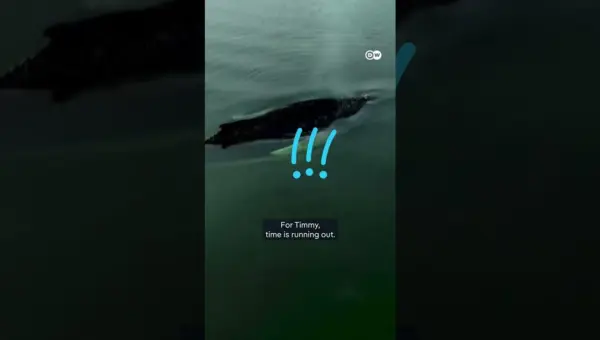
A young whale, nicknamed Timmy, has become the center of a difficult ethical debate after repeatedly becoming stranded off the German coast. Experts are weighing the best course of action, facing tough choices between intervention and allowing nature to take its course. Timmy's struggle highlights broader issues in whale conservation, including the impact of increased whale populations and climate change on marine ecosystems.