Britons Shell Out £72 Monthly for Subscriptions
Research reveals the average Briton spends £72 monthly on subscriptions, from streaming services to everyday items. Consumer expert Harry Wallop discusses the convenience and hidden costs, while listeners share their own subscription habits and occasional mishaps. The trend highlights a significant shift in how consumers manage and pay for goods and services in the digital age.

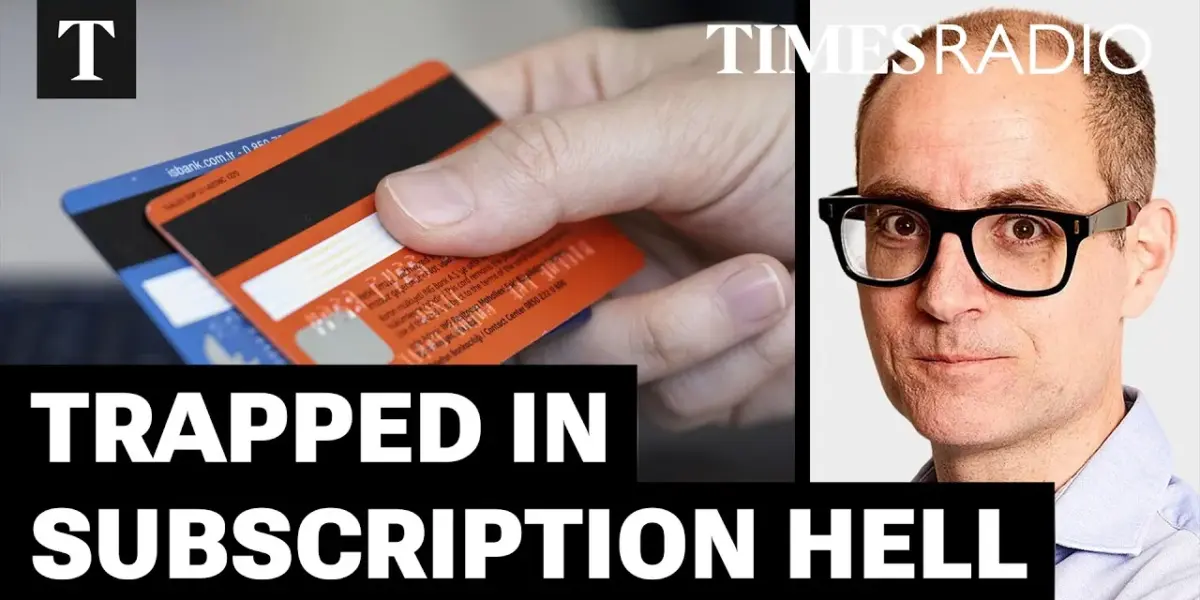
Britons Shell Out £72 Monthly for Subscriptions
The average Briton is spending a surprising £72 every month on various subscriptions, according to new research from financial technology company Revolut. This monthly cost, which covers everything from streaming services and cat food to printer ink and even socks, highlights a significant shift in consumer spending habits over the past 50 years. While some view these recurring payments as a modern convenience, others question their necessity, with some suggesting the money could be saved for larger purchases like a house.
Subscription Habits Vary by Gender
The data also revealed differences in subscription patterns between men and women. On average, men tend to have more subscriptions than women and spend more on them.
Consumer expert Harry Wallop, who writes a popular business column for The Times, noted that £72 might even be a conservative estimate. He observed that many comments on his articles expressed a dismissive attitude towards subscriptions, labeling them as a frivolous expense for younger generations.
The Convenience and Cost of Subscriptions
Wallop, however, argued that these subscriptions represent a modern evolution of how people acquire goods and services. He used the example of sock subscriptions, where instead of buying socks at a store, new pairs are delivered regularly.
While this offers convenience, others like the podcast hosts questioned the practicality of a monthly sock delivery, suggesting it could lead to an oversupply. One host humorously mentioned needing a sock subscription if four teenage children regularly pilfer socks.
“The appeal of subscription is of course, and they always are upselling. The thing that gets my goat is things that are sort of essentially free or used to be free say a Tesco club card or for instance uh there all sorts of things where they then want to upgrade you the premium version.”
The discussion also touched on the growing trend of subscription services offering premium versions to remove ads or provide added benefits. Services like ITV’s streaming platform or Spotify are often cited examples where users are encouraged to upgrade to an ad-free experience.
While some, like Spotify for music, are seen as worthwhile upgrades to avoid interruptions, others find the constant upselling annoying. The ease of signing up for low-cost introductory offers, only to be hit with higher recurring fees later, was also a point of frustration.
Managing Subscription Overload
Forgetting to cancel unwanted subscriptions is a common pitfall, leading to unexpected charges. Wallop shared an experience of signing up for a short-term subscription to read an article, only to be charged a much higher monthly fee because he forgot to cancel.
This highlights the need for better subscription management. Fortunately, several financial apps now offer services that track and list all your active subscriptions, providing a clear overview of monthly outgoings.
Many consumers employ strategies to keep subscription costs in check. For instance, someone might sign up for Apple TV for a specific show like ‘Slow Horses’, watch the season, and then cancel until a new season or another desired program becomes available. This approach allows access to content while minimizing long-term costs.
Personal Subscription Confessions
When asked about any subscriptions they felt ashamed of, Wallop admitted to subscribing to LinkedIn Premium. He justified this by explaining that it helps him connect with people for his business column, acting as a modern equivalent of old directories like the Yellow Pages or Who’s Who.
He compared it to being able to write letters to people through their private club addresses in the past. Another guest humorously mentioned being listed in ‘Who’s Who’ and the constant attempts by the publication to sell them copies of the book.
One listener shared a story about signing up for a stress-busting hypnosis app, only to find themselves stuck in an unintended ‘Italian mode’ before canceling. The conversation wrapped up with a reminder to share personal subscription stories, whether proud of or ashamed of them, on the show’s platform.
Source: Revolut Says The Typical Briton Spends £72 Per Month On Subscriptions | Harry Wallop (YouTube)

Related Articles

Rent vs. Buy: New Data Reveals Shifting Housing Landscape
Recent financial analysis indicates that renting may be more financially advantageous than buying a home in 2026, challenging the traditional American dream. Rising costs and interest rates have widened the gap between homeownership and rental expenses.


Trump’s Tax Plan Boosts Refunds, Encourages Work
Treasury Secretary Scott Bessent highlighted tax benefits from President Trump's "Big Beautiful Bill Act," noting a 13% rise in tax refunds and increased overtime pay. The act also introduces "Trump Accounts" offering $1,000 seed funding for eligible children, aiming to boost savings.


Save $1M Faster: Boost Contributions to Slash Years
Reaching $1 million can take over 25 years saving $1,000 monthly. However, increasing savings to $2,000 per month can cut that time to just over 18 years. Boosting contributions is a direct way to significantly speed up wealth accumulation.