US Halts Iranian Trade: Peace Talks Loom Amidst Global Tensions
The U.S. has implemented a blockade on Iranian maritime trade, aiming to pressure the nation while simultaneously suggesting peace talks could be imminent. This move occurs alongside complex international relations, including China's involvement and ongoing regional conflicts. Domestically, the administration is highlighting significant tax refunds and economic relief measures for Americans and small businesses.

US Tightens Grip on Iran, Paving Way for Potential Peace Talks
In a significant development, the United States has implemented a complete blockade on maritime traffic in and out of Iran. This move, ordered by President Trump, aims to cut off the nation’s sea trade. For the first 48 hours of this operation, nine vessels reportedly turned back, complying with orders to return to Iranian ports or coastal areas. U.S. Central Command stated that while trade is halted, the U.S. military continues to support freedom of navigation for ships heading to non-Iranian destinations through the Strait of Hormuz.
Diplomacy and Disagreements: The Path to Peace
Amidst this increased pressure, President Trump has suggested that another round of peace talks with Iran could happen within days, potentially in Pakistan’s capital, Islamabad. The President has praised Pakistan’s military leadership, citing a relationship built during past peace negotiations. However, the President also made it clear that Iran must not gain any advantage, specifically rejecting proposals for Iran to resume uranium enrichment. Analysts have warned that any temporary limits on enrichment could lead to non-compliance, while Iranian officials have stated that ending enrichment is not up for discussion.
Regional Conflicts and International Relations
In other international news, U.S. Secretary of State Marco Rubio hosted Israeli and Lebanese ambassadors for direct talks. These discussions came as Israeli military operations continued in southern Lebanon. While described as constructive, no ceasefire agreement was reached. Both sides have agreed to start direct negotiations at a later time. The talks also focused on reducing the influence of Hezbollah, a group designated as a terrorist organization by the U.S. and linked to Iran. The conflict has resulted in over 2100 deaths and displaced around 1 million people in Lebanon, with Israel stating residents cannot return until the area is demilitarized.
China’s Role and Shifting Alliances
President Trump also posted messages on social media regarding China’s stance on the Strait of Hormuz and Iran. He stated that China is pleased with the U.S. move to secure the strait, suggesting China has agreed not to send weapons to Iran. The President indicated that he and Chinese leader Xi Jinping are working together, contrasting this cooperation with potential conflict. He also mentioned receiving a letter from Xi Jinping in response to his own request that China stop sending weapons to Iran. This suggests a complex international dynamic where cooperation and warning coexist.
Economic Policies and Tax Day Reflections
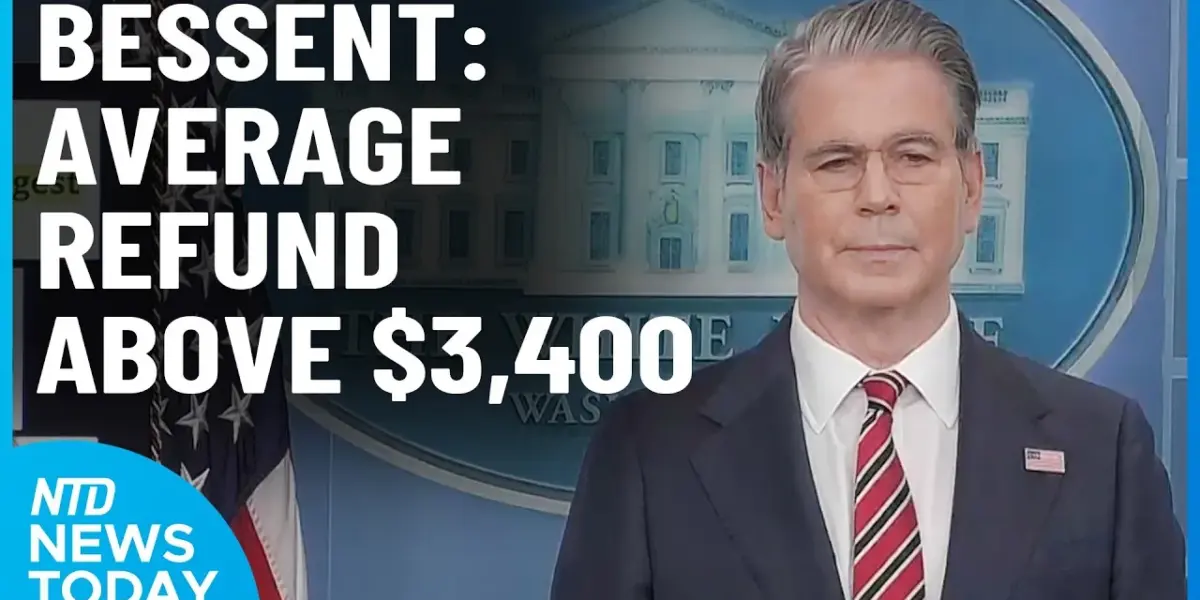
On the domestic front, it was Tax Day, with Americans weighing in on the administration’s tax cut measures. Treasury Secretary Scott Bessant highlighted that over 53 million filers claimed at least one of President Trump’s signature tax cuts, resulting in an average refund of over $3,400. He emphasized that these cuts, including no tax on tips, overtime, and deductions for seniors, are putting money back into Americans’ pockets. Small Business Administrator Kelly Leler added that small businesses have also benefited significantly, with a 20% pass-through deduction now permanent, helping them reinvest and create jobs.
Domestic Concerns and Political Landscape
The transcript also touched upon domestic issues, including a tragic attack in Georgia where a Department of Homeland Security employee was killed. In Washington, Senate Republicans are planning a vote on a budget blueprint to fund agencies like ICE and Customs and Border Protection. This comes amid a prolonged shutdown of other DHS agencies due to a standoff over immigration enforcement reforms. The political landscape also includes allegations of sexual assault against former Congressman Eric Swalwell, who has since ended his gubernatorial campaign and resigned from Congress, reshaping the race for California governor.
Why This Matters
The confluence of events described in this report highlights a period of intense geopolitical maneuvering and significant domestic policy focus. The U.S. strategy of applying economic pressure on Iran, coupled with diplomatic overtures, signals a potentially new phase in regional stability efforts. Simultaneously, the administration is emphasizing its economic achievements, particularly tax cuts, as a key selling point to voters. These actions and pronouncements, from international standoffs to domestic economic policy, paint a picture of a government actively shaping both its global standing and the economic well-being of its citizens, while navigating complex political challenges and international relationships.
Implications, Trends, and Future Outlook
The blockade of Iranian ports could have far-reaching consequences for global oil markets and regional stability. If successful in pressuring Iran, it might lead to a de-escalation of certain conflicts, but it could also provoke retaliatory actions. The emphasis on U.S.-China cooperation, even while issuing warnings, suggests a pragmatic approach to managing global powers, prioritizing shared interests like trade stability over direct confrontation. Domestically, the focus on tax cuts and economic relief is a clear strategy to bolster support for the administration, particularly as elections approach. The ongoing debates over border security funding and the impact of tax policies will continue to shape political discourse and policy decisions.
Historical Context and Background
The U.S. relationship with Iran has been fraught with tension since the 1979 revolution. Periods of diplomatic engagement have often been overshadowed by sanctions, military posturing, and proxy conflicts. The current blockade can be seen as an escalation of economic pressure, a tactic used by various administrations to influence foreign policy. Similarly, the emphasis on tax cuts echoes broader debates in American history about the role of government in the economy, with differing philosophies on how best to stimulate growth and provide prosperity for citizens. The mention of Pakistan’s role in peace talks also draws on historical instances where regional powers have mediated international disputes.
Source: Bessent: Avg Refund Above $3,400; CENTCOM: 9 Ships Turned Back in 48h | NTD News Today (Apr 15) (YouTube)

Related Articles
US Navy Blockade Tightens Grip on Iran’s Oil
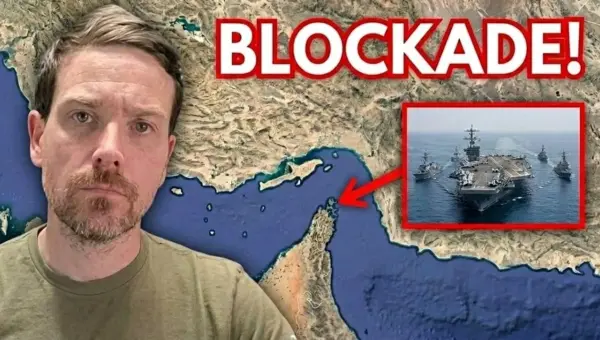
The US Navy has imposed a strict blockade on Iranian ports, aiming to cripple the nation's oil exports and economy. With warships enforcing the closure, Iran faces significant financial pressure. The long-term effectiveness and potential for escalation remain key concerns.
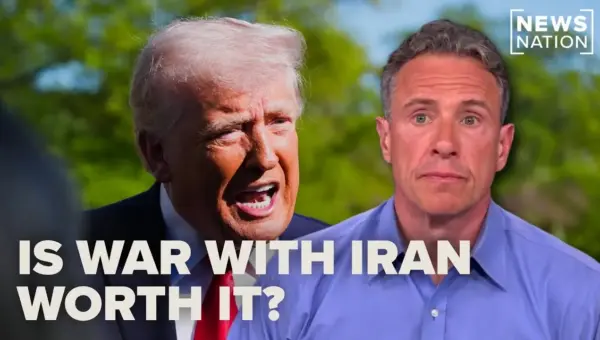
Iran War Costs Mount, Deal Prospects Dim
The war in Iran is costing the U.S. billions daily, impacting inflation and healthcare costs. While military gains are noted, concerns remain about Iran's nuclear ambitions and the lack of a clear diplomatic path. A "grand bargain" is sought, but the economic and human costs at home are rising.
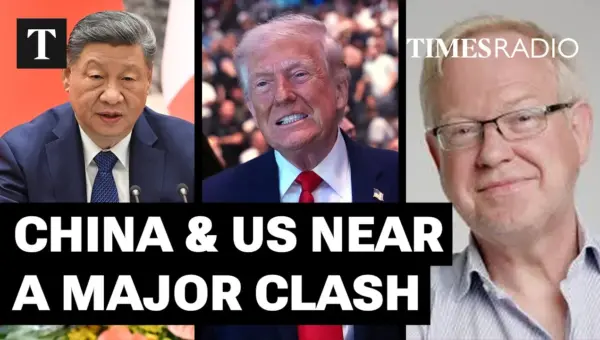
China-US Tensions Flare: Blockade Risk Sparks Superpower War Fears
The U.S. blockade in the Strait of Hormuz has intensified tensions with China, raising fears of a potential superpower conflict. Expert Roger Boyes highlights China's use of a "shadow fleet" and military support for Iran, while President Trump attempts a delicate diplomatic approach ahead of a key meeting with President Xi Jinping.