Stop Gallstones: Low-Fat Diets May Trigger Them
Discover why low-fat diets might be a surprising culprit behind gallstones, contradicting common beliefs. Learn about the gallbladder's vital role and how sugar, insulin, and nutrient deficiencies contribute to stone formation.

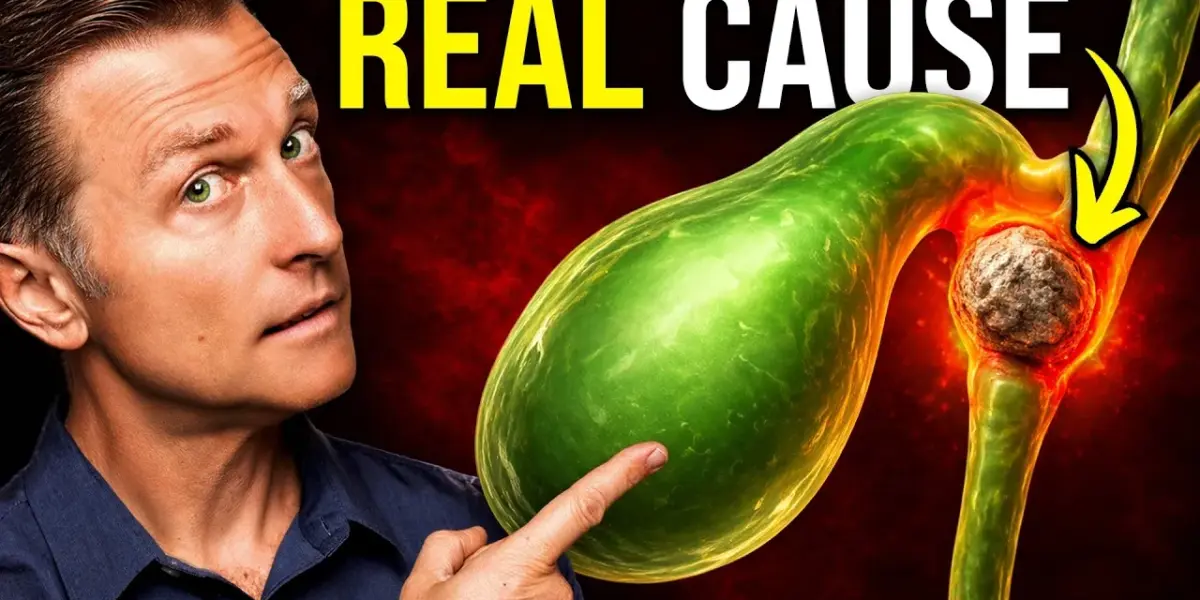
Gallstone Causes: Why Low-Fat Diets Can Be a Mistake
Many people believe that eating too much greasy food causes gallstones. This common idea is that high cholesterol directly leads to gallstones. However, research suggests a surprising twist: low-fat diets might actually be a major trigger for gallstones. Understanding how your gallbladder works is key to preventing these painful stones.
The Gallbladder’s Important Job
Your gallbladder is a small organ tucked under your liver. It doesn’t just sit there; it plays a vital role in digestion. Your liver produces bile, a fluid that travels through small tubes called bile ducts to the gallbladder. The gallbladder stores and concentrates this bile, releasing the right amount into your small intestine when needed. This concentrated bile is essential for breaking down fats from your food. Without it, your body can’t properly absorb important fat-soluble vitamins like A, D, E, and K, or crucial omega-3 fatty acids.
What Are Gallstones, Really?
Gallstones are not simply a result of too much cholesterol in your diet. Instead, they often form due to an imbalance between cholesterol and bile salts. When there isn’t enough bile to properly break down fats, the cholesterol can become overly concentrated, leading to the formation of stones. Before stones even form, a condition called bile sludge can develop. This thick sludge can clog the bile ducts, causing pressure buildup in the liver and sometimes referred pain, often felt in the right shoulder. This pain can be mistaken for a shoulder problem, but it may originate from issues within the bile ducts.
The Problem with Low-Fat Diets
The common advice to cut out fat to prevent gallstones can backfire. Dietary fat actually signals your liver to produce bile and your gallbladder to release it. When you drastically reduce fat intake, this signal is weakened. Without the trigger of fat, bile production and release can slow down, leading to bile backing up. This lack of proper bile flow can contribute to sludge and gallstone formation. Studies and experts suggest that high-carbohydrate diets, rich in sugar and starches, are more strongly linked to gallstone risk.
Sugar, Insulin, and Gallstones
High-carbohydrate diets lead to increased insulin levels. This combination of high sugar intake and elevated insulin can actually increase cholesterol production while simultaneously hindering bile production. This creates the perfect environment for bile sludge and gallstones to form. This link explains why individuals with pre-diabetes and diabetes often have a higher risk of developing gallstones. Managing blood sugar and insulin levels through diet is therefore crucial for gallbladder health.
Other Factors Contributing to Gallstones
Several other factors can influence your risk of gallstones:
- Estrogen: Higher levels of estrogen, such as those experienced during pregnancy or when taking birth control pills or hormone therapy, can increase cholesterol and slow gallbladder contractions, raising the risk of gallstones.
- Nutrient Deficiencies: A lack of certain nutrients can impact bile production and gallbladder function. Vitamin C is needed to convert cholesterol into bile salts. Choline, found in foods like egg yolks and beef liver, is vital for liver health and preventing fatty liver disease, which can reduce bile production. Magnesium is also important for the proper function of the valves that control bile flow.
- Low Stomach Acid: Stomach acid plays a role in triggering bile salt release. If you have insufficient stomach acid, it might affect bile production and increase gallstone risk.
- Hypothyroidism: An underactive thyroid can slow down the body’s processes, including bile production and gallbladder emptying, potentially contributing to gallstone issues.
Potential Solutions and Prevention
If you’re struggling with gallstone-related pain or sludge, some strategies might help, but it’s crucial to consult a healthcare professional. Some people find relief by taking bile salt supplements, such as TUDCA (tauroursodeoxycholic acid), a synthetic bile acid. These supplements can help move bile sludge through the ducts. It’s generally recommended to take them after meals, as they can neutralize stomach acid if taken beforehand. Focusing on a diet low in sugar and refined carbohydrates, rather than a low-fat diet, is often advised.
While diet is a primary focus, other nutrients like choline and magnesium can support liver and gallbladder function. Some research also suggests that coffee may be beneficial for bile production. For those experiencing referred pain, specific techniques and exercises, sometimes detailed in specialized videos or by healthcare providers, may offer relief.
When Surgery is Considered
Gallbladder removal surgery, or cholecystectomy, is a common procedure performed on hundreds of thousands of people each year. However, it’s important to know that some individuals continue to experience similar or even worse digestive symptoms after surgery. The gallbladder, far from being an unnecessary organ, is integral to fat digestion and nutrient absorption. Before considering surgery, understanding the root causes of gallstones, such as diet and hormonal factors, can empower you to explore preventative and supportive measures.
This information is for educational purposes only and does not constitute medical advice. Always consult with your doctor or a qualified healthcare provider for any health concerns or before making any decisions related to your health or treatment.
Source: The Gallstone Mistake That Leads to SURGERY (700,000 a Year) (YouTube)

Related Articles


Rethink “Normal” Labs: Are You Healthier Than Your Numbers Say?
Lab results labeled "normal" may not reflect true health. This article explores why standard ranges can be misleading and highlights key tests like fasting insulin and specialized cholesterol panels that offer deeper insights into metabolic health and inflammation. Understanding these markers can help you achieve optimal well-being.


Boost Your Health: Daily Eggs Improve Skin, Brain, and More
Discover how eating four eggs daily can enhance your skin's radiance, sharpen your focus by reducing brain fog, and improve hormone balance and vision. This simple dietary habit leverages the power of nutrients like choline, lutein, and zeaxanthin for comprehensive health benefits.


Unlock Health: Cholesterol, Gallbladder & Gut Insights
Explore the complex world of cholesterol, discover natural alternatives for gallbladder health, and understand gut imbalances with expert insights. Learn how to manage cravings and optimize nutrient intake for a healthier you.