Trump Plans to Demolish Historic White House Room
Donald Trump is reportedly considering transforming the historic White House Treaty Room into a guest bedroom, a move that has sparked concerns among historians. The room has hosted significant presidential moments, including treaty signings and major announcements. This potential alteration raises questions about balancing historical preservation with modern utility.

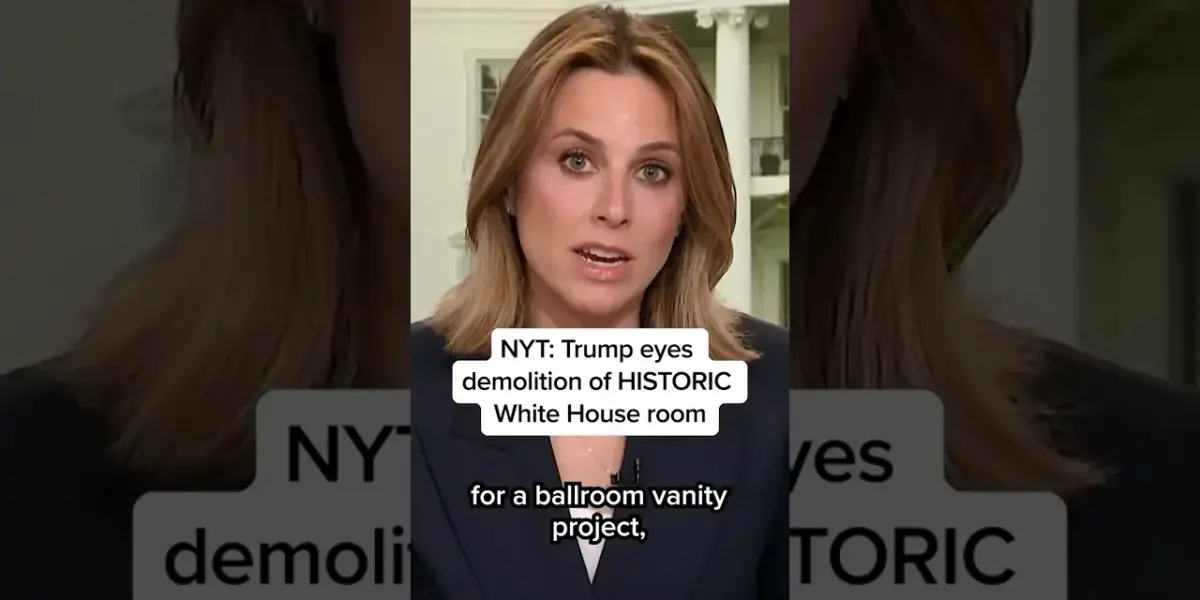
Trump Eyes Demolition of Historic White House Treaty Room
Former President Donald Trump is reportedly considering a significant alteration to the White House: the demolition of the historic Treaty Room to convert it into a guest bedroom. This plan, as reported by The New York Times, has raised concerns among preservationists and historians about the potential loss of a space with deep historical ties.
The Treaty Room has served as a witness to some of America’s most significant moments. It was in this room that President Ulysses S. Grant signed the bill to establish the Office of the Solicitor General.
Later, President Woodrow Wilson signed the treaty ending World War I in the same space. More recently, President George W. Bush announced the capture of Saddam Hussein from this very room.
A Room Steeped in History
The Treaty Room’s history stretches back to the administration of President Abraham Lincoln. It was originally intended as a private study for Lincoln, though he never used it as such. The room was later redesigned by architect William W.
Kent in 1902 during Theodore Roosevelt’s presidency. Kent aimed to create a more formal space, and it was then that the room began to be used for important diplomatic and presidential functions.
The room’s name comes from its use in housing a collection of antique French furniture, including a large mahogany table that was once owned by Napoleon Bonaparte. This furniture has been a part of the room’s identity and historical significance. The idea of altering or removing such a historically charged space has drawn immediate attention.
Preservation Concerns and Precedents
News of Trump’s reported intentions has sparked worry about the preservation of historical integrity within the White House. The building itself is a national monument, and changes to its interior spaces, especially those with documented historical use, are often subject to careful consideration. The Treaty Room’s role in presidential history makes any proposed changes particularly sensitive.
While presidents have made alterations to the White House over the years, significant changes to historically designated rooms are rare. The Treaty Room has maintained its function as a space for presidential reflection and important announcements for decades. Its potential transformation raises questions about how historical spaces should be treated in modern political contexts.
The White House as a Living Museum
The White House is more than just the official residence and workplace of the President; it is also a living museum of American history. Each room tells a part of the nation’s story, from its design and furnishings to the events that took place within its walls. The Treaty Room, with its direct connection to major historical decisions and presidential addresses, is a key chapter in that ongoing narrative.
The proposal to turn the Treaty Room into a guest bedroom suggests a prioritization of modern utility over historical preservation. This approach could set a new precedent for how future administrations might view and use the historical elements of the executive mansion. It’s a debate about function versus form, and the lasting legacy of historical spaces.
Broader Implications for Historical Sites
The debate surrounding the Treaty Room is not isolated. It touches upon a larger conversation about how historical sites, particularly those with governmental or presidential significance, should be managed. Balancing the need for modern functionality with the imperative to preserve historical authenticity is a challenge faced by institutions worldwide.
If such a significant change were to occur, it might influence how other historically important rooms in public buildings are viewed. It could encourage a re-evaluation of what constitutes essential historical elements versus elements that can be adapted or removed for practical purposes. This potential shift in perspective could have far-reaching consequences for heritage sites across the country and beyond.
What Comes Next
The New York Times report indicates this is a consideration, not a finalized plan. Further details on the extent of these discussions and any official proposals are expected.
The reaction from historical societies and preservation groups will likely intensify as more information becomes available. The future of the Treaty Room hinges on decisions that will be closely watched by those invested in preserving America’s historical landmarks.
Source: NYT: Trump eyes demolition of HISTORIC White House room (YouTube)

Related Articles

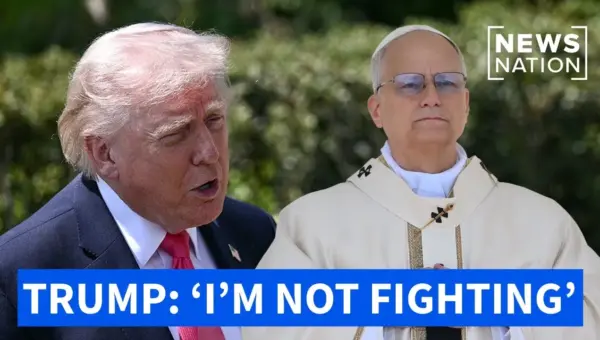
Trump Clarifies Stance: Pope’s Views on Iran Nuclear Threat Clash
Former President Donald Trump has stated he is "not fighting" with the Pope but clearly disagrees with the religious leader's views on Iran's nuclear program. Trump believes Iran must not obtain nuclear weapons, citing global security risks. He also highlighted Iran's human rights record and ongoing peace efforts in the Middle East.


Trump’s Pardon Promises Signal a Troubling Future
Reports indicate Donald Trump has promised widespread presidential pardons for his staff and associates in a potential second term. While his administration downplays these remarks as jokes, the broad power of the pardon raises concerns about accountability and the rule of law.

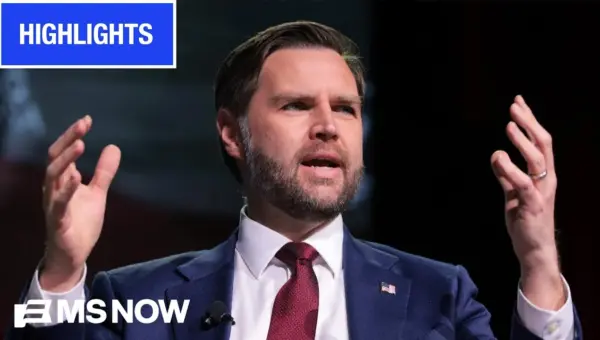
JD Vance Faces Backlash After Empty Rally and Pope Controversy
Senator JD Vance faced a difficult week marked by a sparsely attended event and public criticism for his remarks about Pope Francis. The senator's foreign policy endeavors also encountered setbacks. Analysts suggest Vance's struggles may be linked to his association with Donald Trump.