Russia Tightens Digital Grip, Threatens Ukraine’s Info Flow
Russia is increasing its control over online information by blocking websites and social media, potentially impacting Ukraine's ability to reach people in occupied territories. While sabotage communications are expected to remain secure, the broader risk is increased isolation and vulnerability to propaganda for civilians.


Russia’s Digital Walls Rise, Threatening Information Access
Russia is intensifying its efforts to control the flow of information within its borders and in occupied territories. New measures aim to block websites and social media platforms, raising concerns about increased propaganda and isolation for civilians. This digital crackdown could significantly impact Ukraine’s ability to communicate with and inform people in Russian-controlled areas.
The Center for National Resistance, part of Ukraine’s special operations forces, has analyzed the situation. Currently, widespread website blocking has not reached critical levels. However, Russian authorities have recently discussed a potential complete blockade, with April 1st mentioned as a possible date for these stricter measures.
Impact on Occupied Territories
Ukrainian analysts warn that a full blockade of platforms like Telegram poses a significant risk. The primary concern is the disruption of news delivery to people in Russian-occupied territories. This would make them more vulnerable to Russian propaganda, potentially increasing their isolation and susceptibility to manipulation.
This situation echoes historical attempts by authoritarian regimes to control information during times of conflict. By limiting access to independent news sources, governments seek to shape public opinion and maintain control over narratives. Such tactics aim to prevent dissent and ensure loyalty by controlling what citizens see and hear.
Sabotage Communication Unaffected
Despite the broader concerns, Ukrainian analysts note that communication channels used for sabotage activities are unlikely to be significantly affected. Those involved in such operations have reportedly transitioned to more secure and advanced communication methods long ago.
These individuals possess a high level of training and awareness, making them adept at adapting to changing digital environments. Telegram, while a popular communication tool, is not considered the primary platform for these sensitive operational communications.
Strategic Implications
Russia’s digital censorship strategy aims to isolate its population and those in occupied territories from external information sources. By blocking platforms like Facebook, WhatsApp, and potentially Telegram, Moscow seeks to create an information vacuum. This vacuum can then be filled with state-controlled narratives, reinforcing its political and military objectives.
For Ukraine, this presents a challenge in maintaining a connection with the population under occupation. Objective news and information are crucial for countering disinformation and maintaining morale. The potential blocking of communication tools directly impacts Ukraine’s ability to conduct information operations and support resistance efforts within these areas.
The move also highlights Russia’s increasing reliance on digital control as a tool of governance and warfare. This approach mirrors strategies seen in other countries seeking to suppress dissent and control public discourse through technological means. The effectiveness of such measures often depends on the population’s technical literacy and access to alternative information channels, which are increasingly scarce in heavily controlled environments.
Broader Geopolitical Context
This digital crackdown occurs within a broader context of geopolitical tension and information warfare. Russia’s actions reflect a wider trend of nations seeking greater control over their digital spaces, often citing national security concerns. However, critics argue these measures are primarily used to suppress opposition and control narratives.
The international community closely watches these developments, as they impact freedom of speech and access to information globally. The ability of citizens to communicate freely across borders is a key concern for democratic societies and international human rights organizations.
As April 1st approaches, the full extent of Russia’s digital blockade will become clearer. The impact on civilian communication and Ukraine’s information outreach will be closely monitored by intelligence agencies and human rights groups alike.
Source: Russia’s internet crackdown explained (YouTube)

Related Articles

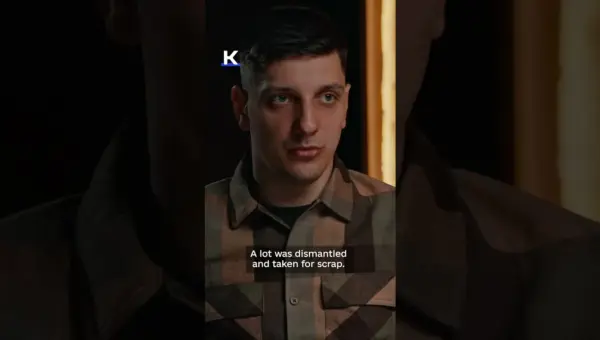
Russia Exploits Donbas Economy to Fuel Conflict
Russia exploited economic hardship in occupied Donbas from 2014-2022, forcing men into military service for income. This strategy fueled conflict and divided families by making military service the only viable job, leading to resentment when recruits suffered casualties.
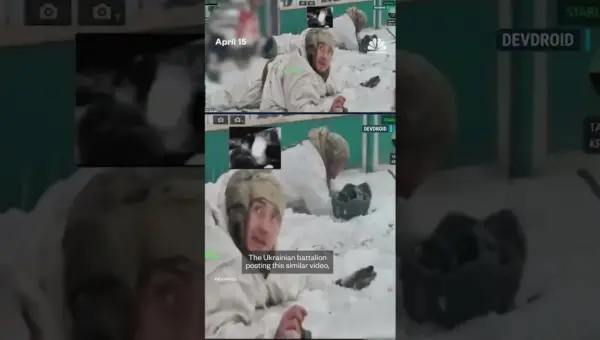
Ukraine Uses Robots to Recapture Territory From Russia
Ukraine claims a groundbreaking military success, using an army of robots and drones to recapture territory from Russian forces without risking infantry or suffering casualties. President Zelensky announced the achievement, though specific details remain undisclosed. This development highlights the growing role of robotic systems in modern warfare and could influence future combat strategies.
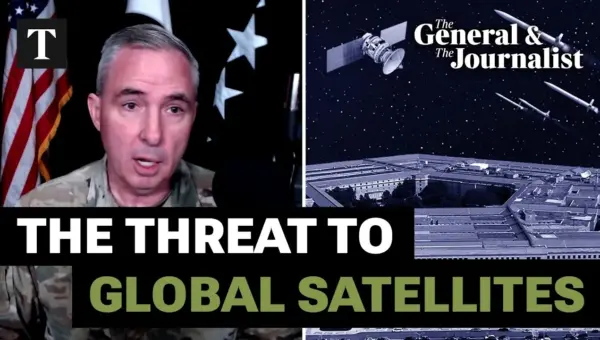
Russia Nuclear Threat to Satellites Sparks Space War Fears
U.S. Space Command Commander General Steven Whiting has warned of escalating threats to satellites from Russia and China, including a potential Russian nuclear weapon for space. He highlighted the catastrophic risks of such an attack and the critical role satellites play in daily life, while also expressing optimism for future space exploration.