Powell’s Fed Exit Looms: Warsh Poised for Top Job
Kevin Warsh is reportedly set to become the next Federal Reserve Chair, with his confirmation hearing scheduled soon. This potential leadership change at the central bank signals a new direction for U.S. economic policy.

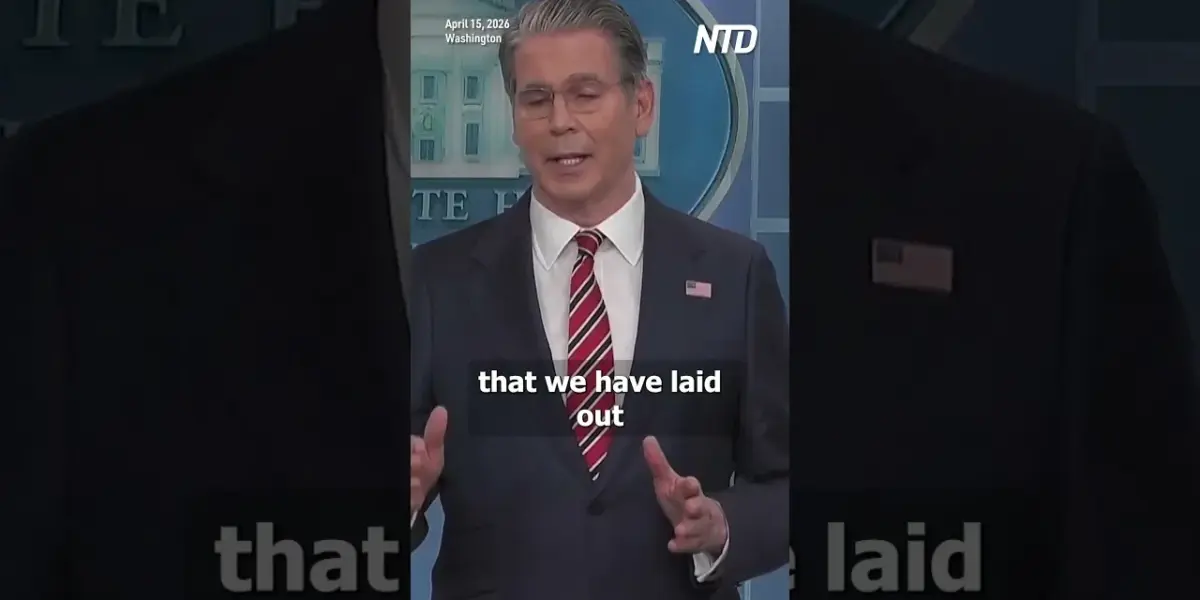
Powell’s Fed Exit Looms: Warsh Poised for Top Job
The future of the Federal Reserve’s leadership is taking shape, with key figures suggesting a smooth transition for the next chairman. Reports indicate that Jerome Powell, the current Fed Chair, might be stepping down, and a likely successor is already being discussed. This potential change at the helm of the U.S. central bank raises important questions about economic policy and stability.
A New Face at the Fed?
The current Fed Chair, Jerome Powell, has been a prominent figure in economic policy. However, there’s a growing conversation about his potential departure. One name frequently mentioned as his replacement is Kevin Warsh. Warsh is seen by some as a strong candidate, with the process for his confirmation already underway. His nomination is expected to move forward, with a hearing scheduled for the 21st of the month.
The confidence in Warsh’s appointment is high among those involved in the selection process. One prominent voice has even suggested that President Trump has credited them with Powell’s continued service. This implies a close relationship and direct influence on the President’s decisions regarding the Fed. The process laid out for Warsh’s transition is considered solid. This suggests that his appointment is not just a possibility but a strong probability.
Why This Matters
The Federal Reserve plays a crucial role in managing the U.S. economy. Its decisions on interest rates and other monetary policies affect everything from job growth to inflation. A change in leadership at the Fed can signal a shift in economic direction. Investors, businesses, and consumers all pay close attention to these changes. Understanding who leads the Fed and their economic philosophy is vital for navigating financial markets.
Kevin Warsh’s potential appointment brings a new perspective to the Federal Reserve. While the specific details of his economic views are still being debated, his nomination suggests a certain direction. Supporters believe he is a capable candidate who will bring stability and thoughtful policy. Opponents may worry about potential shifts in economic strategy. The confirmation process in the Senate will be a key indicator of the support he has across the political spectrum.
Historical Context
Leadership changes at the Federal Reserve are not uncommon. Throughout history, different chairs have guided the U.S. economy through various challenges. From the Great Depression to the dot-com bubble and the 2008 financial crisis, Fed chairs have had to make difficult decisions. Each leader brings their own economic philosophy and approach. This influences how they respond to economic downturns and booms.
Jerome Powell took over the Fed at a time of economic expansion. His tenure has been marked by efforts to maintain that growth while also keeping inflation in check. The transition to a new chair like Kevin Warsh could mean adjustments to these policies. It’s a natural part of the economic cycle. Leadership evolves, and so do the strategies used to manage the nation’s finances.
Looking Ahead
The coming weeks will be important as Kevin Warsh’s nomination proceeds. His Senate hearing will provide a platform for him to outline his vision for the Federal Reserve. This will give the public and policymakers a clearer understanding of his economic priorities. The optimism surrounding his appointment suggests that a confirmation is likely. If confirmed, Warsh will face the ongoing task of balancing economic growth with price stability.
The Federal Reserve’s independence is a cornerstone of its effectiveness. While the President nominates the chair, the Senate confirms them. This process ensures that the Fed can make decisions based on economic data rather than short-term political pressures. The smooth transition of power, as suggested by the current discussions, is a positive sign for economic confidence. It shows a commitment to continuity and stability in a critical institution.
Source: Bessent Says He's Optimistic Warsh Will Be Fed Chair ‘On Time’ (YouTube)

Related Articles
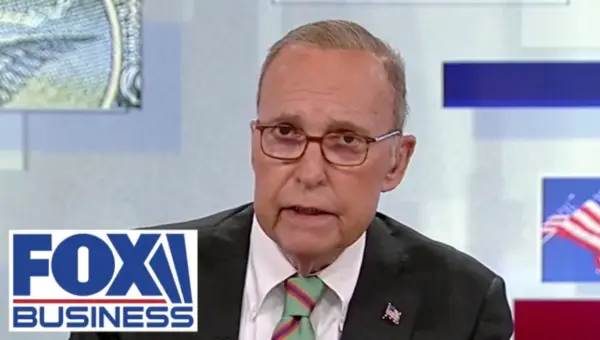
53 Million Get Tax Cuts, Yet Many Think Taxes Rose
Despite tax cuts benefiting millions, a new poll shows most Americans believe their taxes are rising. Experts highlight a communication gap and call for further pro-growth economic plans.

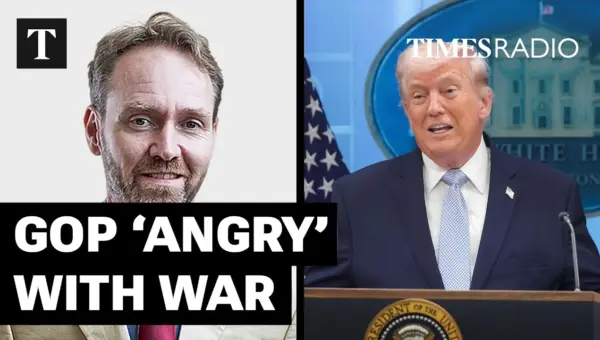
GOP Senators Show Weariness With Trump’s Iran Stance
Republican lawmakers are showing signs of frustration with President Trump's prolonged engagement in Iran. Diplomatic talks continue, with a potential ceasefire extension being considered, while the U.S. bolsters its military presence. Meanwhile, domestic economic pressures and battles with the Federal Reserve chair add to the political complexities.


S&P 500 Hits Highs Amid War Fears
The S&P 500 has unexpectedly reached all-time highs despite global conflicts and economic worries. Meanwhile, the crypto market faces regulatory delays, and AI's impact remains a mixed bag of innovation and public concern.