Carlson’s ‘Apology’ Exposes His True Political Game
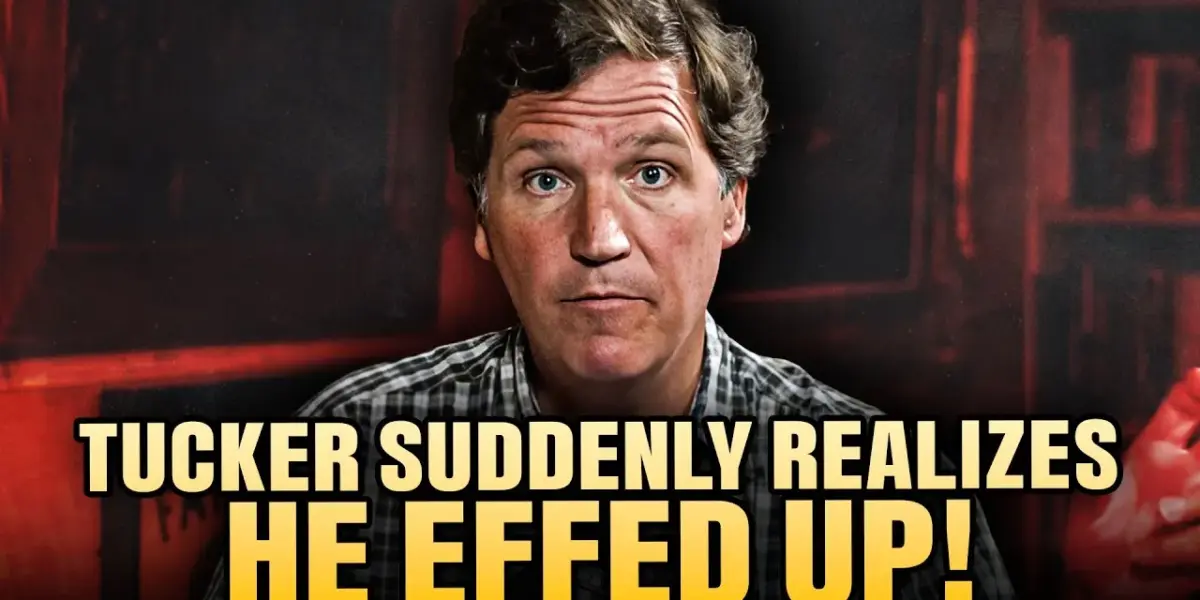
Tucker Carlson's recent 'apology' for misleading people is seen by many not as a sign of genuine change, but as a strategic political move. Analysts suggest he's distancing himself from Donald Trump as Trump's popularity wanes, aiming to rebrand himself for future political ambitions.

Carlson’s ‘Apology’ Exposes His True Political Game
Ten years ago, the New York Times ran a story about Glenn Beck, claiming he was sorry for his past actions. The headline declared, ‘Glenn Beck is sorry about all that.’ However, this wasn’t true.
Beck actually became more extreme, launching his own media company and diving deeper into conspiracy theories. This made the New York Times look foolish.
This pattern of public figures trying to rebrand themselves has reappeared. Just two years ago, 60 Minutes profiled Marjorie Taylor Greene, suggesting she was no longer the controversial figure she once was.
The show assured viewers she had changed. Yet, she later became even more outspoken and extreme.
Now, Tucker Carlson has made a similar move. He recently said on his podcast, “I want to say I’m sorry for misleading people, and it was not intentional.” He also admitted that people like him, and millions of others, are part of the reason certain political events have happened. Carlson stated, “I will be tormented by it for a long time.”
However, this ‘apology’ doesn’t seem genuine. Carlson isn’t truly sorry for the harmful and racist things he has said over the years.
He is also not apologizing for promoting conspiracy theories. Instead, he appears to be reacting to current political trends.
Carlson sees that Donald Trump’s popularity is at an all-time low. Trump’s approval ratings are worse than Richard Nixon’s during the Watergate scandal. Carlson likely realizes that supporting Trump is no longer a winning strategy, especially on a national level.
Many believe Carlson is an opportunist. He understands that to advance his own political ambitions, possibly even running for president, he needs to distance himself from Trump. By pretending to be more moderate, he hopes to win over more voters.
Marjorie Taylor Greene may also be following a similar path, driven by the same political goals. However, the core issue with figures like Carlson and Greene isn’t just their past support for Trump. It’s the bigotry, hatred, conspiracy theories, and harmful rhetoric they have promoted.
The problem isn’t simply that they supported Trump; that was expected given their past behavior. The real concern is their continued promotion of divisive and false narratives. This is the fundamental issue with their public personas.
Why This Matters
Carlson’s statement highlights a growing trend in politics: the strategic repositioning of public figures. When a political movement or leader loses favor, those associated with them often try to distance themselves to maintain relevance or pursue new opportunities. This can create confusion for the public, as it blurs the lines between genuine change and calculated self-interest.
Historical Context
The media’s role in shaping public perception of public figures is not new. As seen with the Glenn Beck example, profiles can sometimes present a narrative of change that doesn’t reflect reality. This has been a recurring theme, where media outlets offer a platform for figures to claim they have evolved, only for their behavior to remain consistent or even escalate.
Implications and Future Outlook
Carlson’s apparent shift suggests that the political landscape is changing. The strong, unwavering support for figures like Trump may be waning, forcing political commentators and aspiring politicians to adapt. This could lead to more figures attempting similar rebrandings, making it harder for voters to discern authenticity.
The effectiveness of these strategies remains to be seen. Voters are becoming more aware of political maneuvering. The long-term success of such calculated apologies will depend on whether the public believes they are sincere or simply a means to an end.
Carlson’s actions, regardless of their sincerity, signal a potential shift. He is trying to shed an unpopular association to pursue future political goals. This move is one to watch closely as the political climate continues to evolve.
The next steps for Carlson and others like him will involve continued efforts to shape public perception. Whether they can successfully convince the public of a genuine change in their views or tactics will be crucial for their future influence.
Source: Tucker Carlson Admits He’s An Idiot (YouTube)

Related Articles
Trump Claims Credit for Iran Releasing 8 Women Protesters
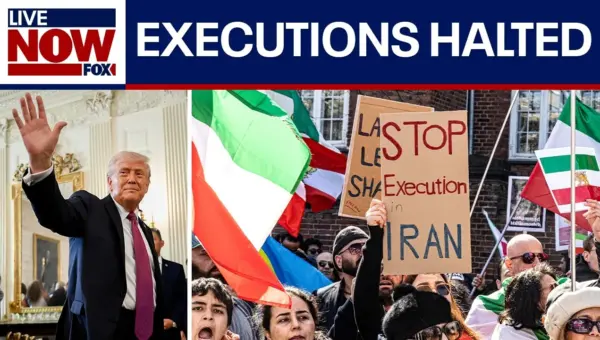
Former President Donald Trump announced that Iran has halted the execution of eight women protesters, stating his request as U.S. President led to the decision. Four women will be released immediately, while the other four will serve one-month prison sentences.
Fox News Spins Falsehoods as Trump’s Iran Deal Collapses
Donald Trump's Iran deal efforts reportedly collapsed, leading to conflicting narratives from media outlets. While some promoted a strong negotiation, others claim the deal failed due to Trump's actions, with Fox News accused of spreading false information about a coup in Iran to mask the outcome.

Trump Allies Fear His Backfire Effect on Redistricting
Virginia voters narrowly approved a Democrat-backed redistricting plan, potentially shifting House seats significantly. Allies of Donald Trump reportedly fear his attempts to counter this move will backfire, making things worse for the Republican party. This win is part of broader Democratic successes despite claims of unpopularity, as polls show voters often prefer Democrats even when unhappy with both parties.