Trump’s Iran Decision Sparks Capitol Hill Debate
Former President Donald Trump's Iran policies, including exiting the nuclear deal and imposing sanctions, are under intense scrutiny on Capitol Hill. Lawmakers are debating the effectiveness and consequences of this "maximum pressure" approach. Experts and the public are questioning the impact on regional stability and global economics.

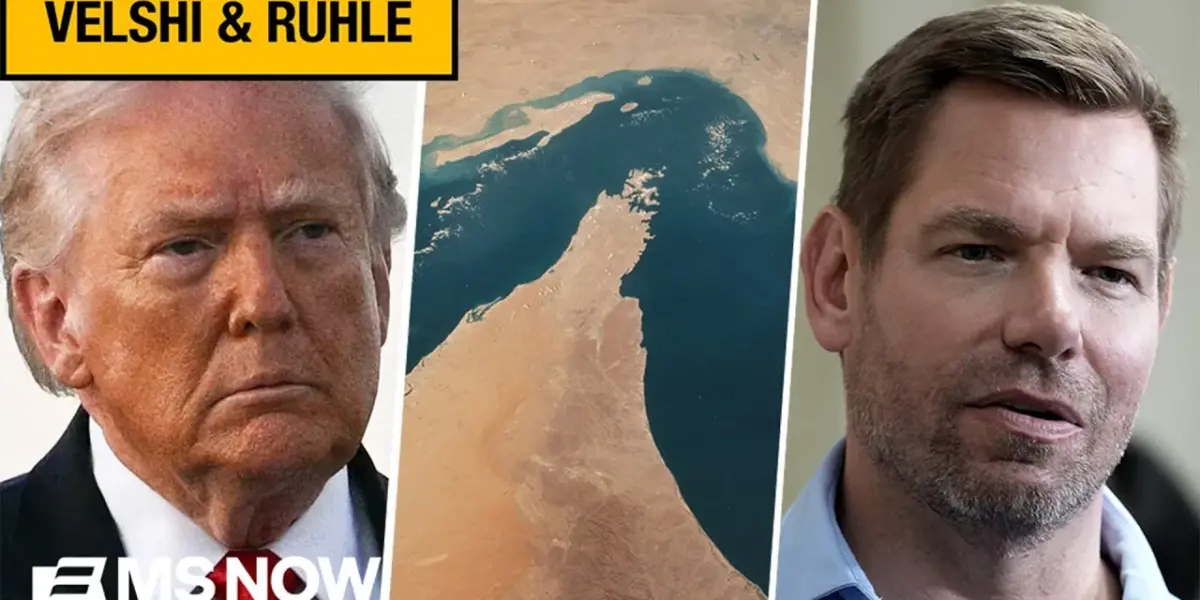
Trump’s Iran Policy Faces Scrutiny
Former President Donald Trump’s recent actions and policies concerning Iran have ignited a fierce debate on Capitol Hill. The implications of these decisions, particularly regarding national security and international relations, are being closely examined by lawmakers. This intense discussion comes as the world watches to see how these policies will shape future geopolitical dynamics.
Key Decisions Under the Microscope
During his presidency, Trump made several significant choices regarding Iran. These included withdrawing the United States from the Joint Comprehensive Plan of Action (JCPOA), commonly known as the Iran nuclear deal. He also implemented a “maximum pressure” campaign, imposing stringent economic sanctions on the country. These moves aimed to curb Iran’s nuclear program and its regional influence. However, critics argue these policies have had unintended consequences, potentially increasing tensions in the Middle East.
Lawmakers Voice Concerns
Members of Congress, from both sides of the aisle, have expressed varied reactions to Trump’s Iran strategy. Some lawmakers have defended the former president’s approach, believing it was necessary to counter Iran’s destabilizing activities. They point to Iran’s continued ballistic missile development and support for militant groups as evidence that a tough stance was warranted. This perspective emphasizes the need for a strong deterrent against perceived Iranian aggression.
Conversely, many others have voiced strong opposition. They argue that withdrawing from the nuclear deal isolated the U.S. and emboldened Iran. These critics suggest that the sanctions have hurt the Iranian people more than the government, without achieving the desired policy changes. They also worry that the lack of diplomatic engagement has closed off avenues for de-escalation. Representative Eric Swalwell, a vocal critic, has been particularly active in questioning the effectiveness and wisdom of Trump’s policies. He has highlighted the risks associated with heightened confrontation and the importance of international cooperation.
Expert Analysis and Public Questions
The ongoing discussion is fueled by analysis from experts and direct questions from the public. News anchors like Ali Velshi and Stephanie Ruhle have been at the forefront of these conversations, hosting live sessions to address public concerns. They aim to provide clarity on the complex interplay between business, politics, and the economy as it relates to U.S. foreign policy. These sessions often feature discussions on how economic sanctions impact global markets and the lives of ordinary citizens. The goal is to offer viewers a more informed perspective on critical national and international issues.
Questions frequently raised include the long-term effects of the “maximum pressure” campaign. People want to know if these sanctions have actually made the region safer or if they have pushed Iran towards more aggressive actions. There is also significant interest in understanding the economic fallout, both for Iran and for global trade partners. The role of diplomacy versus military posturing is another common theme, with many seeking a balanced approach to foreign policy challenges.
Broader Implications for U.S. Foreign Policy
The debate over Trump’s Iran policy extends beyond the immediate concerns. It touches upon fundamental questions about how the United States should engage with adversaries and allies alike. The effectiveness of unilateral action versus multilateral diplomacy is a central point of contention. Supporters of Trump’s approach believe in asserting American strength and independence on the world stage. They feel that relying too heavily on international consensus can lead to weakened resolve.
Opponents, however, stress the importance of alliances and international agreements. They argue that global challenges require coordinated responses. The Iran nuclear deal, despite its flaws, was seen by many as a framework for managing a complex issue through collective effort. The withdrawal from this agreement is viewed by some as a missed opportunity to build a broader international coalition against nuclear proliferation. The future direction of U.S. foreign policy, particularly in the Middle East, remains a critical topic.
What’s Next?
As the political landscape continues to evolve, the repercussions of Trump’s Iran decisions will likely remain a subject of intense debate. Future administrations will grapple with the legacy of these policies and the ongoing challenges posed by Iran’s nuclear ambitions and regional activities. The effectiveness of sanctions, the role of diplomacy, and the strategic alliances forged or strained will all be crucial factors in shaping U.S. engagement with Iran and the broader Middle East. The world will be watching closely to see how these complex issues unfold.
Source: Trump's Iran GAMBLE | A Capitol Hill reckoning | YOUR questions answered (YouTube)

Related Articles

Iran’s Ceasefire Violations Spark New Tensions
Iran has violated a ceasefire by striking targets in Iraq, raising concerns about peace talks. The U.S. is responding with a naval blockade of Iranian ports and increased military readiness. Mysterious explosions within Iran add to the growing instability.

China Workers Protest Russian Oil Giant’s Non-Payment
Hundreds of Chinese workers protested in Russia's Khabarovsk region after Rosneft allegedly stopped paying them. The incident highlights Russia's economic struggles, reliance on foreign labor, and the impact of sanctions on its crucial energy sector.
Trump Rages as Allies Shun His Iran Conflict
Reports indicate Donald Trump is furious as allies refuse to support his self-declared blockade of the Strait of Hormuz. The analysis suggests his increasingly contradictory statements and claims, like stopping 98.2% of drug imports, point to cognitive decline exacerbated by stress. This isolation and potential erratic decision-making pose significant global risks.