Iran’s Ceasefire Violations Spark New Tensions
Iran has violated a ceasefire by striking targets in Iraq, raising concerns about peace talks. The U.S. is responding with a naval blockade of Iranian ports and increased military readiness. Mysterious explosions within Iran add to the growing instability.

Iran’s Ceasefire Violations Spark New Tensions
On April 14th, reports emerged of Iran launching new attacks, striking targets in Iraq despite an ongoing ceasefire. This action raises serious questions about Iran’s commitment to peace talks and the effectiveness of current diplomatic efforts.
Drone Strikes in Kurdistan
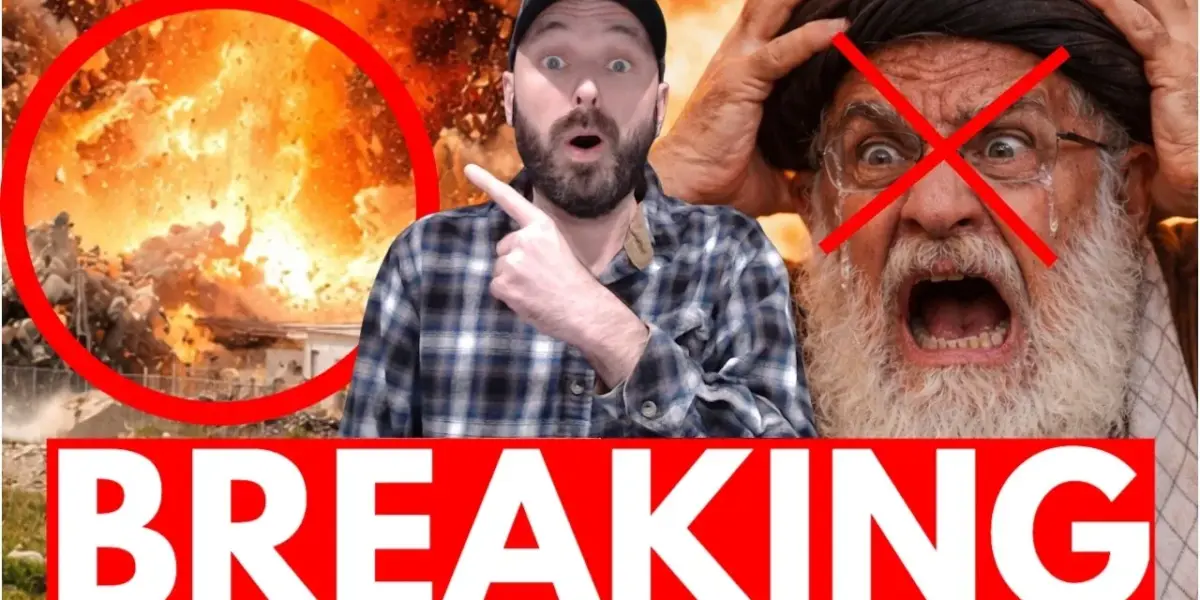
Footage surfaced showing the Islamic Revolutionary Guard Corps (IRGC) launching drones. The aftermath revealed smoke rising from a location in Kurdistan, a region aligned with the United States. These strikes, described as a massive drone attack, occurred during what should have been a period of calm. The visuals show the drones arriving and causing a massive explosion, highlighting significant damage on the ground.
The attacks in Kurdistan are particularly concerning because they happened during a ceasefire meant to facilitate negotiations. The IRGC’s actions seem to contradict their stated desire to negotiate with the U.S. This pattern of aggression, following similar drone launches into Bahrain just days prior, suggests that the current ceasefire is not being respected by Iran.
Air Combat Over Northern Iraq
Adding to the tense situation, a French Mirage 2000 fighter jet was filmed shooting down an Iranian Shahid drone over northern Iraq. The footage clearly shows an air-to-air missile hitting the drone, followed by a large explosion. This incident demonstrates that not only is Iran violating the ceasefire, but other international forces are actively defending themselves against these incursions.
Mysterious Explosions in Iran
Meanwhile, reports of unexplained explosions have continued to erupt within Iran. Following earlier incidents, which some believe were covert sabotage operations, new blasts have been heard. Shin reported three blasts near the Parian military complex on the eastern side of Tehran. Later reports indicated a total of five unexplained explosions in Tehran. The cause of these blasts remains unknown, but they add another layer of instability to the region.
U.S. Military Posture and Blockade
In response to the escalating tensions, the United States appears to be increasing its military readiness. There are reports of U.S. B-52 bombers being moved, with some being towed to staging areas. These heavy bombers, often used for strategic missions, suggest the U.S. is preparing for potential conflict. Along with bombers, a P-8 Poseidon signals intelligence plane and an MQ4C Triton drone have been observed in the Persian Gulf, likely monitoring Iranian activities.
The U.S. has also implemented a blockade on ships leaving Iranian ports. This blockade aims to cut off Iran’s oil revenue, a critical source of funding for its government. According to U.S. Central Command, over 10,000 U.S. personnel, along with numerous warships and aircraft, are enforcing this measure. During the initial 24 hours, no ships were allowed to pass the blockade, and six merchant vessels were directed to turn back to Iranian ports. This economic pressure is intended to weaken Iran’s ability to fund its military actions without resorting to further direct military engagement.
The blockade specifically targets ships departing Iranian ports. It does not affect vessels transiting the Strait of Hormuz from non-Iranian ports, ensuring freedom of navigation for allies. The U.S. has stated its willingness to board any ships attempting to violate the blockade.
Economic Warfare and Waivers
A key aspect of the U.S. strategy involves choking off Iran’s oil exports. A waiver that allowed some Iranian oil already at sea to be processed was set to expire on April 19th. The Trump administration has indicated it would not extend this waiver, aiming to completely isolate Iran financially. Estimates suggest Iran’s government may only have enough resources to operate for another 30 to 45 days without this income. This strategy is a form of economic warfare, designed to pressure the regime into changing its behavior.
Damage to Infrastructure
Satellite imagery from April 10th reportedly shows damage to a landing strip built in Iran, likely intended for a rescue operation. The images suggest that C-130 aircraft became stuck and were subsequently destroyed during an evacuation. The runways themselves appear to have been cratered, rendering the facility unusable for future missions inside Iran.
Israeli Stance
Adding another dimension to the regional dynamics, the head of Israel’s Mossad has stated that Israel intends to work towards overthrowing the Iranian regime, even after a ceasefire. This indicates that even if U.S.-Iran tensions de-escalate, Israel remains committed to challenging the current Iranian leadership.
Why This Matters
The ongoing violations of the ceasefire by Iran, coupled with mysterious explosions within the country and increased U.S. military activity, signal a highly volatile situation. The U.S. blockade represents a significant escalation of economic pressure, aiming to starve the Iranian regime of funds. The effectiveness of this blockade, combined with diplomatic efforts, will be crucial in determining whether further military conflict can be avoided. The involvement of international partners like France, and the firm stance of regional allies like Israel, underscore the broad implications of Iran’s actions.
Looking Ahead
The coming days and weeks will be critical. The success or failure of the U.S. blockade in halting Iran’s oil revenue could significantly impact the regime’s stability. Furthermore, any miscalculation or further aggressive action by Iran could quickly reignite open conflict. The international community will be closely watching to see if a diplomatic resolution can be found or if the region is headed towards a more direct confrontation.
Source: Iran BOMBS U.S. Allies In Iraq – Mysterious Explosions ROCK Tehran (YouTube)

Related Articles


Trump Rages as Allies Shun His Iran Conflict
Reports indicate Donald Trump is furious as allies refuse to support his self-declared blockade of the Strait of Hormuz. The analysis suggests his increasingly contradictory statements and claims, like stopping 98.2% of drug imports, point to cognitive decline exacerbated by stress. This isolation and potential erratic decision-making pose significant global risks.
Oil Prices Dip Amid Iran Port Blockade Fears
Oil prices dipped to $94 a barrel as Iran faces a U.S. blockade on its ports, sparking fears of wider conflict. The International Energy Agency warns of the largest fuel disruption in history. Geopolitical discussions highlight U.S. negotiation strength, while markets show a cautiously positive tone.
Lebanon Seeks Power Shift as Iran’s Influence Wanes
Lebanese officials are engaging in crucial talks with Israel, seeking to reclaim state authority from Hezbollah, a group heavily backed by Iran for three decades. The ongoing conflict and the internal power dynamics present significant challenges as Lebanon pushes for a ceasefire and national sovereignty.