Trump’s Erratic Actions Spark New Fitness-to-Lead Debate
Concerns about Donald Trump's psychological fitness to lead have resurfaced following a series of erratic statements and actions, including threats against Iran and controversial social media posts. While defenders claim these are strategic maneuvers, critics worry about the potential dangers of such volatility, especially during times of international conflict. The debate has even led to discussions about the 25th Amendment, though its practical application remains unlikely.

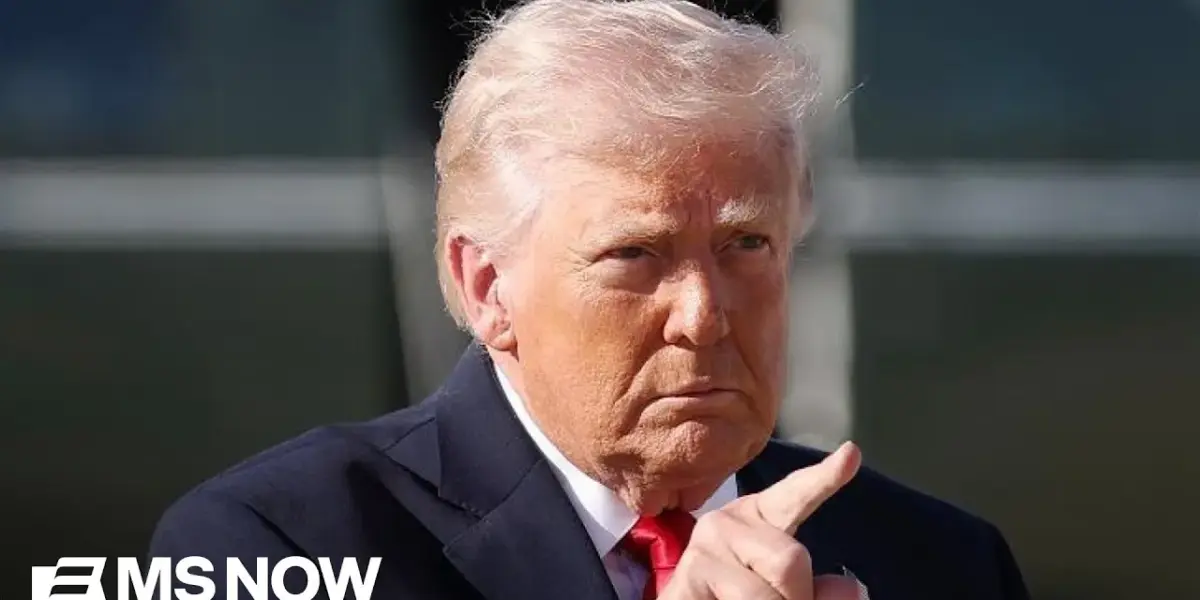
Concerns Mount Over Trump’s Behavior
Recent actions and statements by former President Donald Trump have reignited concerns about his psychological fitness to lead, prompting debate among political observers and even some former supporters. The discussion centers on whether Trump’s behavior is a calculated political strategy or a sign of instability, particularly during times of international tension.
Questionable Statements Fueling Debate
Several recent incidents have fueled this debate. A post threatening to “wipe out” Iran’s civilization, widely seen as inflammatory, drew significant attention. This was followed by an Easter-themed post that was described as profane, further raising eyebrows. Observers also point to instances where Trump has appeared to wander off-topic during speeches, confusing facts like his father’s birthplace or suggesting a non-existent change in Iran’s presidency.
He has also spoken about ending conflicts that do not exist, such as a war between Cambodia and Azerbaijan, reportedly confusing it with the conflict in Armenia. While Democrats have voiced concerns about Trump’s stability for years, these new worries are surfacing in unexpected quarters, including some within the MAGA movement.
Comparing to Past Leaders
Past presidents, including Richard Nixon, Ronald Reagan, and current President Joe Biden, have faced questions about their mental acuity or stability. However, the current debate around Trump is seen by some as different. The concern is not just about aging or occasional cognitive slips, as some have described President Biden, but about a perceived volatility and erratic nature that could pose a risk to national security.
This heightened concern is particularly relevant given the current global climate. With American lives potentially at risk in ongoing conflicts, statements made by a potential leader carry significant weight. The fear is that erratic behavior could lead to dangerous miscalculations or escalations.
Defenders Cite ‘Madman Theory’
Trump’s defenders argue that his provocative statements are a deliberate strategy, often referred to as Nixon’s “madman theory.” This approach suggests that by appearing unpredictable and even irrational, a leader can gain leverage in negotiations. Some believe this tactic might have even contributed to de-escalating tensions with Iran.
However, critics argue that this strategy, especially when involving threats of war crimes, goes too far and could have severe unintended consequences. The line between strategic provocation and genuine instability remains a key point of contention.
The Pope Controversy and AI Imagery
A notable incident involved Trump’s response to criticism from the Pope. After Trump posted an AI-generated image depicting him as a Christ-like figure, which drew backlash from religious groups, he refused to back down. In an interview, Trump defended the image, explaining it as a playful depiction of him as a “doctor” healing people, surrounded by medical symbols.
He also asserted that he had done more for the Catholic Church than any president in the last century, citing financial support during the COVID-19 pandemic for education. Despite deleting the original post, Trump continued to criticize the Pope, suggesting the pontiff should not engage in politics.
Calls for 25th Amendment
The ongoing discussions have led some, including some Republicans like Marjorie Taylor Greene, to mention the 25th Amendment. This amendment allows for the removal of a president deemed unable to discharge the powers and duties of their office. However, invoking it is a complex process, requiring a declaration of disability by the Vice President and a majority of the Cabinet, followed by a Congressional vote.
Experts note that the 25th Amendment was not designed for situations involving erratic or volatile behavior, making its application in this context unlikely. Instead, these discussions are seen by some as a political statement highlighting deep concerns about a leader’s temperament and judgment during critical times.
Looking Ahead
As the political landscape continues to evolve, the debate over Donald Trump’s fitness for office is likely to persist. The coming months will reveal whether these concerns translate into significant political consequences or if Trump’s unique brand of communication will continue to dominate the discourse, regardless of the perceived risks.
What to Watch Next:
- Further statements or actions from Donald Trump that could either escalate or de-escalate these concerns.
- Reactions from key political figures, both within and outside the Republican party, to Trump’s behavior.
- The impact of these discussions on public opinion and potential electoral outcomes.
Source: NYT: Trump's erratic behavior revives concerns about his psychological fitness (YouTube)

Related Articles
Nation’s Focus Shifts: Birthday Bash Overshadows Failed Iran Talks
While Vice President JD Vance announced the failure of US-Iran talks, the White House rapid response team focused on promoting Donald Trump's 80th birthday party. This decision raises questions about the priorities and use of public resources during critical international moments.
Trump’s Iran Strategy Crumbles Under Pressure
Donald Trump's aggressive stance on Iran, including a threatened naval blockade, has reportedly backfired. Critics argue that Iran has mocked U.S. efforts and is now in a stronger negotiating position, potentially securing a deal more favorable than previous agreements. The situation raises broader concerns about U.S. foreign policy effectiveness and global standing.

Pope and President Clash Over Iran Conflict
Pope Francis and President Trump are engaged in a public feud over the conflict with Iran. The Pope advocates for peace, while Trump defends his "law and order" stance. This clash puts American Catholics in a difficult position and could influence upcoming elections.