UK Public Reaches Breaking Point Over Economy, Defense
Britons are increasingly frustrated by the UK's economic outlook, with the IMF predicting the lowest growth and highest inflation in the G7. This, combined with worries about national defense, has led to public pressure, as many feel they have already endured years of hardship and sacrifice, making further demands difficult to accept.

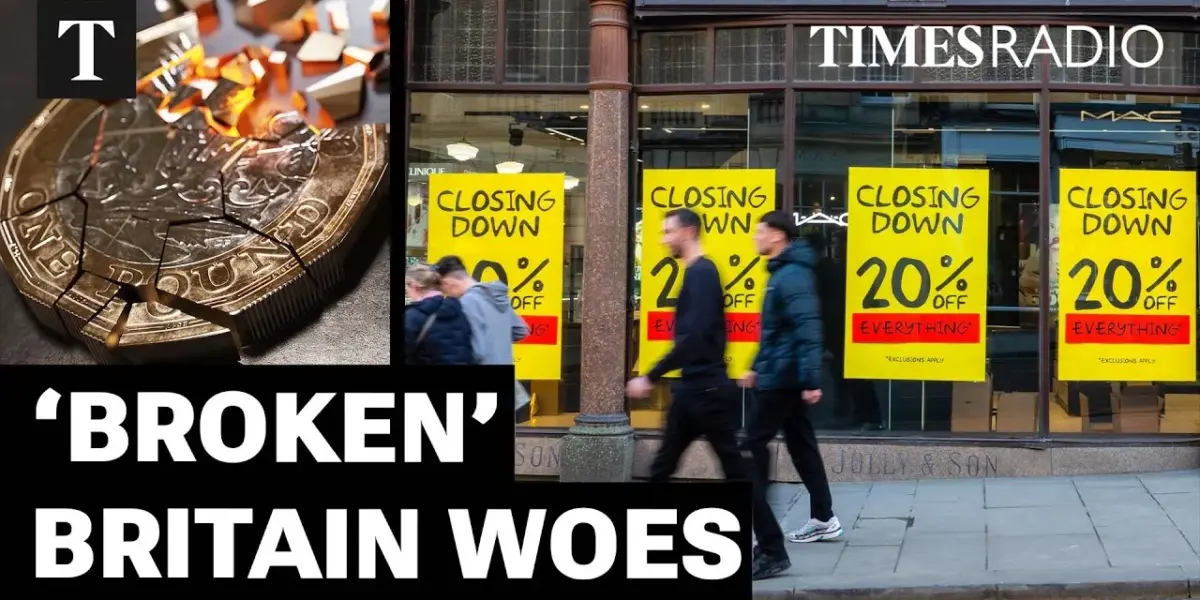
Public Frustration Mounts as UK Faces Economic Woes and Defense Concerns
Britons are feeling the strain as the United Kingdom grapples with the prospect of the worst economic performance among G7 nations, facing both higher inflation and lower growth. This economic pressure, coupled with growing worries about national security, has pushed the public to a point of significant frustration, with many feeling they have already endured years of hardship.
Economic Outlook Grim, IMF Predicts Lowest Growth and Highest Inflation
The International Monetary Fund (IMF) has delivered a stark warning about the UK’s economic future. Projections indicate that the nation will experience lower economic growth and higher inflation than any other country within the G7 group. This challenging outlook is partly attributed to global events, including the ongoing conflict in the Middle East.
In response to these economic forecasts, Chancellor Rachel Reeves acknowledged that the costs associated with international conflicts are not what the government had hoped for but stressed that a response is necessary. The government faces pressure to address these economic challenges while also meeting renewed calls to boost defense spending.
Defense Spending Debate Ignites National Sacrifice Discussion
The debate over defense spending has brought the concept of national sacrifice to the forefront. Lord Robertson, who previously led the UK’s strategic defense review, has criticized the Labour party for what he describes as “corrosive complacency” regarding military expenditure. He also suggests that an expanding welfare budget is hindering the nation’s ability to adequately defend itself.
Health Minister Karen Smith addressed these concerns on Times Radio, stating that the government is committed to increasing the defense budget. She highlighted immediate actions taken upon entering office, including developing a strategic defense plan, to address what they inherited as a “perilous situation.”
“We will be reducing that welfare budget for people who should be in work, particularly young people not in employment or training… people across the country absolutely want to feel safe. That’s why we made that commitment to increase the defense budget.”
However, the public’s willingness to embrace further sacrifice is tempered by years of perceived hardship. Polling by More in Common indicates that while a majority (56%) believe the welfare budget should be cut to bolster defense, many people associate the welfare budget with specific benefits like Universal Credit, rather than broader categories like disability benefits or pensions.
Public Wary of Sacrifice After Years of ‘Doing More With Less’
Luke Trill, UK Director at More in Common, explains that the idea of national sacrifice is difficult to implement because many Britons feel they have been making sacrifices for years, particularly since the 2008 financial crash. Life has become harder, forcing people to “do more with less, or in some cases, less with less.” This sentiment makes it challenging to persuade the public to accept further financial burdens, even for crucial areas like defense.
When asked about cutting the welfare budget to increase defense spending, a slight majority (56%) are in favor. However, this support is nuanced. Many individuals think of specific welfare programs like Universal Credit and may not fully consider the scope of disability benefits or pensions, which constitute significant portions of the welfare budget. Attempts to restrict benefits for the elderly, for example, have historically met with strong public backlash, partly due to the significant voting power of pensioners.
Triple Lock Pension Protection and the Search for ‘Waste’
The concept of the “triple lock” on pensions, which guarantees annual increases, remains highly popular. Trill notes that it would require a brave politician to suggest altering it, as support for it spans across all age groups, with younger generations often expressing concern for their grandparents’ financial security.
Instead of choosing between tax increases or spending cuts, the public often favors a third option: cutting waste. Politicians’ repeated promises to tackle inefficiency and waste have created an expectation among voters that this is a viable solution. This perception leads the public to view the choice between cuts and investment as a false one.
National Resilience and the Growing Sense of Insecurity
Concerns about national security extend beyond traditional military threats. The public is increasingly aware of vulnerabilities, such as potential attacks on undersea cables, which could have catastrophic consequences. While awareness is growing, particularly after recent discussions about Russian incursions, many still feel a general sense of insecurity and a lack of confidence in the nation’s ability to protect itself.
This feeling of insecurity is not isolated to defense. It contributes to a broader sentiment that “something’s gone badly wrong in our country.” When asked to describe Britain in a single word, the most common response is “broken.” This reflects widespread dissatisfaction with public services, the cost of living, and a perceived inability to manage fundamental national responsibilities, such as defending vital infrastructure.
Public Calls for Ring-Fenced Spending and Addressing Waste
Some members of the public are open to increased taxation for defense, but with specific conditions. One listener suggested a “ring-fenced” tax, meaning the money would be explicitly dedicated to defense spending, akin to a modern “war bond.” While such mechanisms are possible, they can be complex to implement and may face resistance from the Treasury, which prefers flexibility in allocating funds.
There is also a significant public concern about how money is spent within the Ministry of Defence itself. Stories of poor procurement and waste have eroded public trust, leading people to question not only the need for increased spending but also the efficiency of its management. The idea of Britain appearing weak or needing to rely on other nations for defense capabilities is particularly damaging to national pride and self-confidence.
Looking Ahead: Desperation and Potential for Protest
The current economic climate, characterized by high inflation and low growth, is creating a sense of desperation. Trill’s recent focus groups in South Wales revealed widespread gloom, with few people expressing optimism about the future. The feeling of being “adrift” is pervasive.
This desperation, particularly concerning the cost of living and fuel prices, raises the possibility of public protests and unrest, similar to those seen in other countries. The public feels they have “hit the last straw,” and frustration is likely to continue to build. The coming months will be critical in determining how the government addresses these deep-seated public concerns about economic security and national resilience.
Source: Brits Have ‘Hit The Last Straw’ Over Higher Inflation And Lower Growth (YouTube)

Related Articles

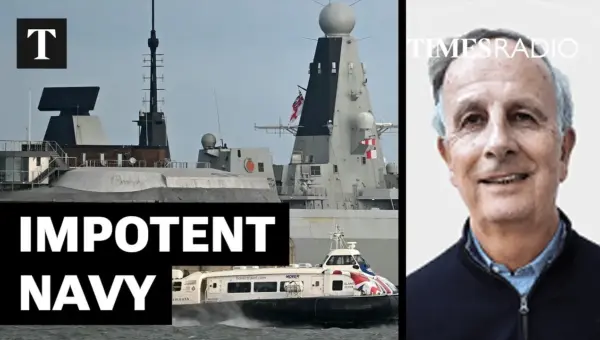
Royal Navy’s Weakness Becomes Global Joking Point
Britain's Royal Navy faces criticism for its depleted fleet, with breakdowns leading to public jokes and concerns about national security. A former NATO chief warns of "corrosive complacency" as defense funding lags behind strategic reviews. Experts suggest a shift towards cheaper, more effective weapon systems is needed to counter modern threats.


Trump’s War Policy Fuels Global Economic Fears
The International Monetary Fund has lowered its global growth forecast, citing the Iran conflict as a key factor. Rising inflation in the US and international calls for de-escalation highlight growing economic concerns. The situation raises questions about leadership and its impact on global stability.
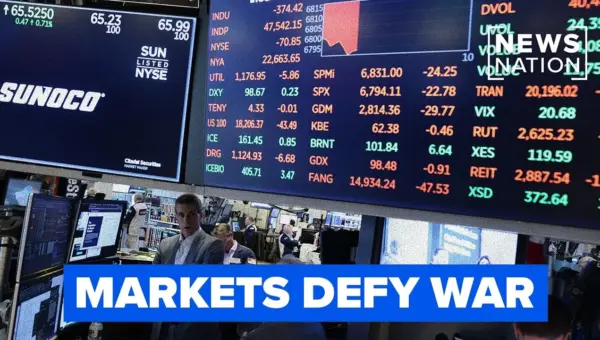
Markets Defy War Fears as Oil Prices Fluctuate
Wall Street rallied and erased Iran war losses as oil prices fluctuated near $100 a barrel. Despite market gains, Americans face higher gas prices, with a U.S. blockade of the Strait of Hormuz potentially worsening inflation. The Producer Price Index report is closely watched for future inflation signals.