Hungary Rejects Orbán, Deals Blow to Global Populism
Hungary's recent election saw a decisive victory for liberal democracy, unseating long-time leader Viktor Orbán. This outcome may signal a global turning point against the rise of populist and authoritarian movements, with implications for international relations and democratic norms.


Hungary Rejects Orbán, Deals Blow to Global Populism
The recent Hungarian election delivered a significant victory for liberal democracy, sending ripples across the global political scene. For years, Prime Minister Viktor Orbán has led Hungary under a system he called “illiberal democracy.” This approach, characterized by a weakening of checks and balances and the rule of law, has inspired similar movements in other parts of Europe and beyond.
Orbán, who has been in power since 2011, built a strong political base by challenging established democratic norms. His allies, including former U.S. President Donald Trump and Senator JD Vance, publicly supported his campaign. Vance even traveled to Hungary to assist Orbán, while Trump suggested U.S. help for Hungary’s economy if Orbán won. However, these efforts appeared to have little positive impact.
Instead, Péter Magyar and his Tisza party achieved a stunning victory, winning a supermajority. This powerful mandate allows them to undo many of the constitutional changes Orbán had made to consolidate his power. The result marks a clear rejection of Orbán’s leadership and his vision for Hungary.
A Global Trend Challenged
This outcome in Hungary is particularly noteworthy when viewed alongside other recent political developments. In the United States, former President Trump has faced challenges, including less-than-ideal results in key political contests. Rising global oil prices and concerns about his public demeanor have also been factors. Together, these events suggest a potential turning point.
The author of the original analysis believes this could signal a restoration of the more stable international system that Trump sought to disrupt. The upcoming midterm elections in the United States are seen as the next critical event. Current signs suggest a potential setback for Trump and the Republican party. This, combined with Hungary’s vote, offers hope that the global slide towards authoritarian and populist governments may be slowing.
Historical Context and Competing Interests
Orbán’s rise represented a challenge to the post-World War II liberal international order, which emphasizes democratic institutions, human rights, and the rule of law. His “illiberal democracy” model proposed an alternative where a strong leader could rule with fewer constraints, arguing it was more efficient and reflected the will of the people more directly. This approach resonated with voters disillusioned with traditional politics.
The support from figures like Trump and Vance highlighted a growing connection between populist movements in Europe and the United States. They shared a common critique of global institutions, immigration policies, and established political elites. This transnational alliance aimed to reshape national and international policies according to their nationalist and populist platforms.
Economic Factors at Play
While not explicitly detailed in the transcript, economic conditions often play a role in such elections. Populist leaders frequently tap into public frustration over economic inequality, job losses, or the perceived negative impacts of globalization. Orbán’s government, for example, pursued policies aimed at strengthening national control over the economy, often through state intervention and protectionist measures. Conversely, rising global oil prices can strain national economies, impacting household budgets and influencing voter sentiment, as suggested in the analysis.
Shifting Power Balances and Future Scenarios
The Hungarian election’s outcome suggests a potential shift in regional power dynamics. Orbán’s departure from leadership could open doors for closer ties with other European Union members who have been critical of his policies. It might also weaken the broader European populist movement, which Orbán had become a symbolic figure for.
Looking ahead, several scenarios are possible. One is a full restoration of liberal democratic norms in Hungary, with the Tisza party implementing significant reforms. Another is a period of political transition, where the new government faces challenges in implementing its agenda amidst entrenched interests. Globally, the setback for Orbán and the potential challenges for Trump could embolden centrist and liberal forces, although populist movements are often resilient and may adapt their strategies.
Global Impact: A Respite for Democracy?
The Hungarian election’s results offer a moment of optimism for those concerned about the global rise of authoritarianism and populism. Orbán’s long tenure and his influence on like-minded movements made his potential defeat a significant event. The victory of Péter Magyar’s Tisza party suggests that voters are willing to hold leaders accountable and can reject systems that undermine democratic institutions.
This development, if it signals a broader trend, could lead to a rebalancing of international relations. It might strengthen alliances based on democratic values and slow the fragmentation of the global order. However, populist movements have proven adaptable in the past. The coming months, particularly the U.S. midterm elections, will be crucial in determining whether this is a lasting trend or a temporary pause.
Source: The Hungarian election and setbacks to global populism (YouTube)

Related Articles

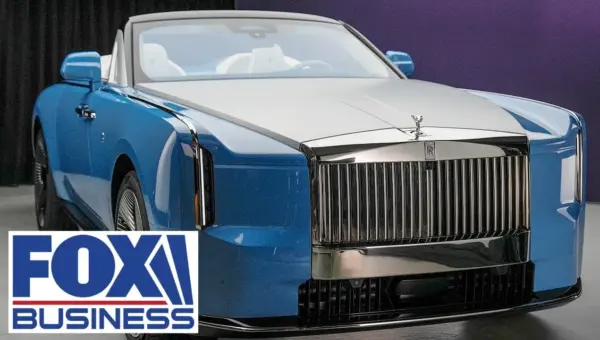
Rolls-Royce Launches Ultra-Rare ‘Nightingale’ Amid Global Headwinds
Rolls-Royce is navigating global challenges by launching its ultra-exclusive 'Project Nightingale' collection, limited to just 100 cars. The company is managing tariff impacts and geopolitical concerns while reporting strong demand, particularly from the U.S. market.

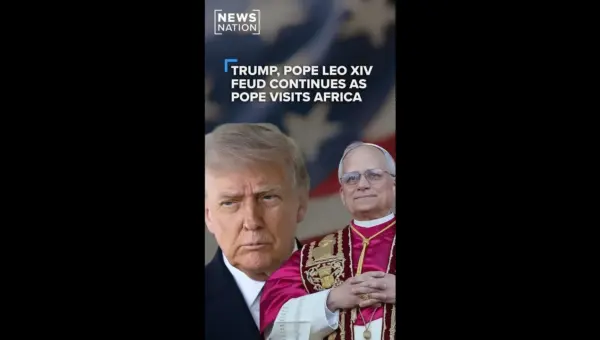
Pope and President Clash Over Iran Conflict
Pope Francis and President Trump are engaged in a public feud over the conflict with Iran. The Pope advocates for peace, while Trump defends his "law and order" stance. This clash puts American Catholics in a difficult position and could influence upcoming elections.


Iran Blockade Sparks Global Tensions: A Test of Wills
The US has imposed a blockade on Iranian ports, aiming to cripple its economy and force negotiations. This move, however, risks escalating regional tensions. Iran's resilience to sanctions and its strategic use of the Strait of Hormuz present complex challenges, while differing US and Israeli objectives add to the volatile situation.