Inflation Jolt Sparks Housing Price Drops
A recent surge in inflation, driven by rising energy costs, is creating uncertainty in the housing market. However, falling rent prices suggest a potential slowdown and even price drops ahead. This shift creates opportunities for savvy buyers to find homes at significant discounts.

Inflation Jolt Sparks Housing Price Drops
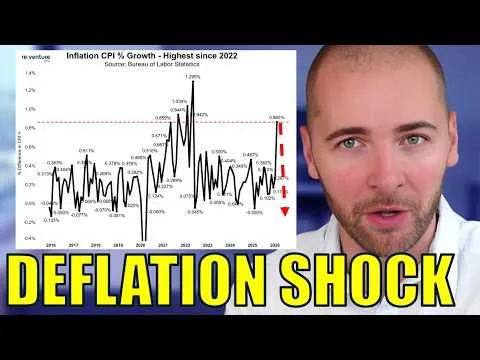
Recent reports show a surprising jump in inflation, with consumer prices rising 3.3% year-over-year in March. This was largely due to a significant spike in energy costs, especially gasoline, which soared 21% in March alone. While the yearly number seems moderate, the monthly increase was one of the highest in four decades. This sudden price surge could shake up the housing market and the broader economy.
The high cost of gas, with prices reaching $4.10 per gallon nationally and over $5.90 in states like California, is hitting household budgets hard. For many Americans who commute daily, this means less money for other purchases. This could lead to a drop in demand for homes, as people have less money to spend on big-ticket items like real estate. Housing markets on the West Coast, where gas prices are highest, might feel this impact most strongly.
Rent Declines Signal Future Price Cuts
However, a key indicator suggests this inflation might not last and could even lead to falling prices. While gas prices are up, rent inflation has significantly slowed. The Bureau of Labor Statistics reported rent inflation at just 2.6% year-over-year, a sharp decrease from its peak of 9% after the pandemic. This slowdown in rent growth is a strong signal for the housing market’s future direction.
Historically, rising inflation has often meant rising home prices. But this time appears different. The cooling rental market suggests that overall price growth may slow down. When gas prices rise, people have less money for other things. If incomes don’t increase to match, spending on goods and services drops. This can cause prices in other areas to fall, a process known as deflation or disinflation.
Data from Core Logic supports this trend. Asking rents for single-family homes rose only 1.3% year-over-year in early 2026. This is the slowest growth seen since 2009-2010, a period marked by the Great Financial Crisis. In some cities like Miami, Dallas, and Houston, single-family rents are actually decreasing. This trend puts downward pressure on housing prices nationwide.
Interest Rate Outlook Uncertain
This inflation spike has also affected expectations for interest rate changes. The Federal Reserve, which manages interest rates, may hold off on cutting them. A few months ago, experts predicted rate cuts soon. Now, forecasts suggest rate cuts might not happen until late in the year, or possibly even be delayed further. Some market indicators even show a chance of interest rates increasing.
This cautious approach from policymakers is due to the recent inflation jump. They might be hesitant to lower rates if inflation remains a concern. However, some analysts believe this inflation surge will be temporary. They argue that higher gas prices and slowing rent growth could actually lead consumers to cut spending. If this happens, it could trigger deflation, which would be good news for buyers looking for lower prices.
Personal Experience Shows Market Shifts
One investor shared a personal example of this market shift. They recently bought a house in Atlanta for $330,000. This was a significant discount from its previous purchase price of $497,000 and even below its 2023 valuation. The home’s estimated value had dropped substantially, showing a real market correction. This purchase represented a 35% discount compared to 2023 prices and a $110,000 discount from 2021 prices, essentially reflecting 2018 market values.
This experience highlights that while some predict continued price growth, many areas are experiencing a downturn. Sellers are increasingly willing to accept offers well below asking prices, sometimes even at a loss. This creates opportunities for buyers and investors to find deals, potentially saving tens or even hundreds of thousands of dollars.
Identifying Opportunities in a Volatile Market
Navigating this market requires understanding where these opportunities lie. Tools that track local housing data, like price forecasts and inventory levels, can be very helpful. For instance, areas with downward price forecasts, often shown in blue on certain apps, indicate potential buying opportunities. Cities like Denver and parts of Los Angeles are showing these downward trends, with potential price drops of 10% or more in the coming year.
Even markets perceived as strong, like Miami, are seeing declines in certain zip codes. Properties that have been on the market for extended periods, with multiple price cuts, signal seller distress. Buyers can use this information to make lower offers, potentially securing homes below recent market values. In a volatile market, looking for these signs of seller willingness to negotiate can lead to significant savings.
Instead of fearing market changes, buyers and investors can view this volatility as a chance to acquire property at a discount. When others are hesitant due to economic uncertainty, educated buyers can identify distressed sellers and properties. This strategy can lead to building significant equity quickly as the market eventually stabilizes. The key is to research specific markets, identify listings with clear signs of price reductions, and make strategic offers.
Source: U.S. Inflation just spiked to 10%. No Way Out (YouTube)

Related Articles


Real Estate Expert: Affordability Policies Will Worsen Crisis
Manhattan rents have surged to $4,083 for a one-bedroom, far exceeding the national average. Real estate experts warn that proposed affordability policies may worsen the crisis. A significant housing shortage and high mortgage rates continue to challenge buyers and the market.


Bitcoin Surges as AI Fears Drive Flight to Digital Scarcity
Bitcoin is showing strong signs of a market turnaround, driven by rising inflation and emerging fears that advanced AI could threaten traditional financial institutions. Analysts believe these factors, combined with a potential shift to negative real interest rates, are creating a 'perfect storm' for digital assets like Bitcoin.


Rent Prices Plummet: Landlords Slash Costs Nationwide
Rental prices are falling across the US as a surge in new apartment construction overwhelms the market. Landlords are offering incentives like free months' rent to attract tenants. This trend presents opportunities for renters but challenges for investors.