Trump’s Iran Strategy Crumbles Under Pressure
Donald Trump's aggressive stance on Iran, including a threatened naval blockade, has reportedly backfired. Critics argue that Iran has mocked U.S. efforts and is now in a stronger negotiating position, potentially securing a deal more favorable than previous agreements. The situation raises broader concerns about U.S. foreign policy effectiveness and global standing.

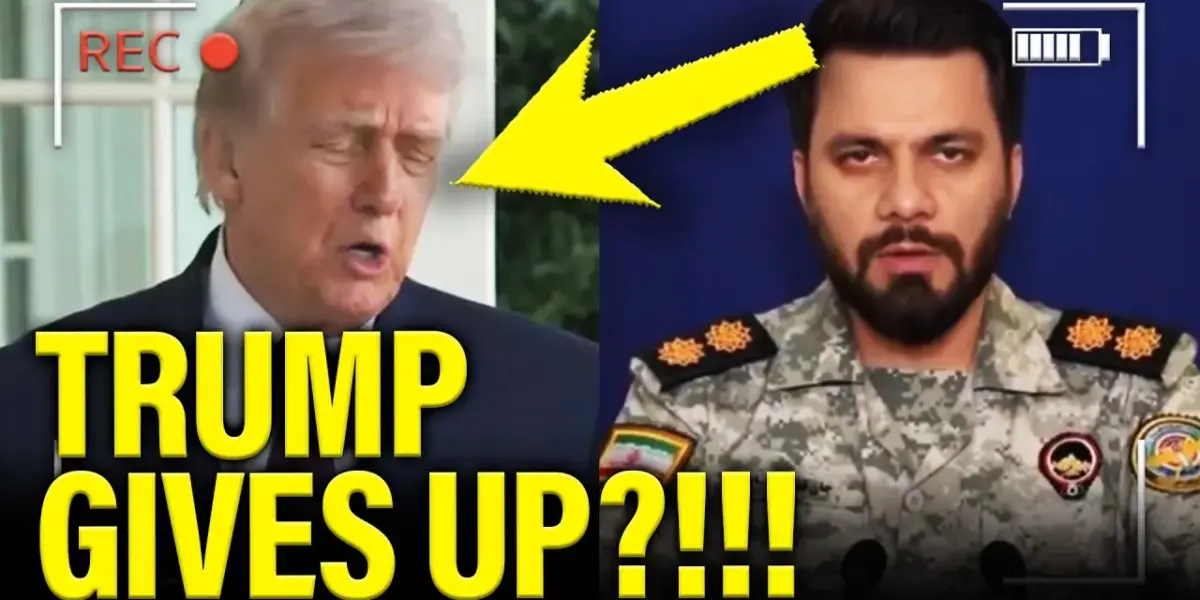
Trump’s Iran Strategy Crumbles Under Pressure
The recent diplomatic efforts concerning Iran, particularly those involving former President Donald Trump, have faced significant challenges. Initially, Trump adopted a strong stance, threatening a naval blockade in the Persian Gulf to pressure Iran into surrender. This approach, however, quickly met resistance and mockery from Iran and its allies.
Blockade Backfires, Iran Mocks U.S. Efforts
Despite claims of a strong blockade enforced by thousands of military personnel, Chinese tankers were observed passing through the Strait of Hormuz unimpeded. Iranian social media accounts responded with derision, suggesting that blocking someone online is different from blocking physical passage. They also highlighted the irony of European nations potentially siding with Iran over Trump, a notion previously considered absurd.
“The Strait of Hormuz isn’t social media. If someone blocks you, you can’t just block them back.” – Iranian Social Media Commentary
This public relations setback for the Trump administration coincided with Iran’s firm stance on negotiations. Iran insisted on holding talks in Pakistan and demanded an agreement allowing them to enrich uranium, even if delayed for several years. This shifted the focus away from Iran’s ballistic missiles and the idea of regime change, suggesting a potential concession from the U.S. side.
Concerns Over a Weaker Deal Than Obama’s
Critics argue that the emerging deal resembles a weakened version of the Obama-era Iran nuclear agreement. Reports suggest a potential 20-year ban on enrichment, which some, including Trump’s former advocates, consider a significant concession. The argument is that continued pressure, not concessions, would lead to the Iranian regime’s collapse.
Adding to the financial demands, Iran has requested $260 billion in reparations, to be sourced from profits generated through the Strait of Hormuz or directly from the United States and its Arab neighbors. This demand echoes past criticisms of the Obama administration’s handling of Iranian assets, though the scale of the current demand is far greater.
Broader Foreign Policy Concerns
The situation with Iran is not isolated. Similar criticisms are leveled at Trump’s approach to North Korea, where Kim Jong-un has continued to develop nuclear weapons and test missiles. The accusation is that a tough public stance is followed by inaction, allowing adversaries to strengthen their military capabilities while the U.S. focuses on other issues or pretends the problem doesn’t exist.
Furthermore, Trump’s public statements on international alliances like NATO have drawn criticism. He has referred to NATO as a “paper tiger,” suggesting a lack of commitment and understanding of collective security. This rhetoric, coupled with perceived weakness in dealing with Iran and China, has led to concerns about the erosion of American influence and the strengthening of U.S. adversaries.
Economic and Domestic Issues Intertwined
The analysis also touches upon domestic economic issues, such as rising inflation. Despite official figures showing increased producer prices, Trump’s social media accounts have reportedly framed these numbers positively. This narrative is contrasted with public sentiment about the rising cost of living and the financial strategies of oil companies.
The discussion also briefly mentions the handling of sensitive files related to Jeffrey Epstein, with officials stating that all relevant documents have been released. This point is raised in the context of broader governmental transparency and accountability.
Why This Matters
The events surrounding Iran negotiations and broader foreign policy decisions under Trump highlight a pattern of aggressive rhetoric followed by perceived concessions or strategic retreats. This approach raises questions about the effectiveness of U.S. foreign policy, the stability of international relations, and the long-term consequences of perceived weakness on the global stage. The ability of adversaries to mock and bypass U.S. threats, while simultaneously extracting concessions, suggests a potential shift in power dynamics. The economic implications, both domestically and internationally, are also significant, as inflation and resource control remain key concerns.
Historical Context and Future Outlook
Historically, U.S. foreign policy has often involved a delicate balance between deterrence and diplomacy. The approach taken in the Iran negotiations, as described, appears to deviate from traditional strategies, prioritizing immediate gains or market manipulation over sustained pressure or comprehensive de-escalation. The reliance on strong public statements without corresponding effective action has been a recurring theme in criticisms of Trump’s foreign policy. Looking ahead, the success of future diplomatic efforts will likely depend on a clear strategy that avoids contradictory signals and prioritizes consistent, verifiable outcomes. The international community will be watching to see if a stable agreement can be reached that genuinely enhances security and prevents proliferation, or if the cycle of tension and concession will continue.
Source: Trump INSTANTLY FOLDS on Iran TALKS…TOTAL SURRENDER?!!! (YouTube)

Related Articles


Hungary Rejects Orbán, Deals Blow to Global Populism
Hungary's recent election saw a decisive victory for liberal democracy, unseating long-time leader Viktor Orbán. This outcome may signal a global turning point against the rise of populist and authoritarian movements, with implications for international relations and democratic norms.

Rolls-Royce Launches Ultra-Rare ‘Nightingale’ Amid Global Headwinds
Rolls-Royce is navigating global challenges by launching its ultra-exclusive 'Project Nightingale' collection, limited to just 100 cars. The company is managing tariff impacts and geopolitical concerns while reporting strong demand, particularly from the U.S. market.

Pope and President Clash Over Iran Conflict
Pope Francis and President Trump are engaged in a public feud over the conflict with Iran. The Pope advocates for peace, while Trump defends his "law and order" stance. This clash puts American Catholics in a difficult position and could influence upcoming elections.