Ukraine Secures EU Loan, IMF Deal Faces Hurdles
Ukraine's financial future brightens as Hungary unblocks a crucial 90 billion euro EU loan. However, Kyiv faces challenges in meeting the conditions for an $8.1 billion IMF lending agreement, potentially seeking renegotiations on unpopular measures.

Ukraine’s Financial Lifeline Secured Amid Economic Uncertainty
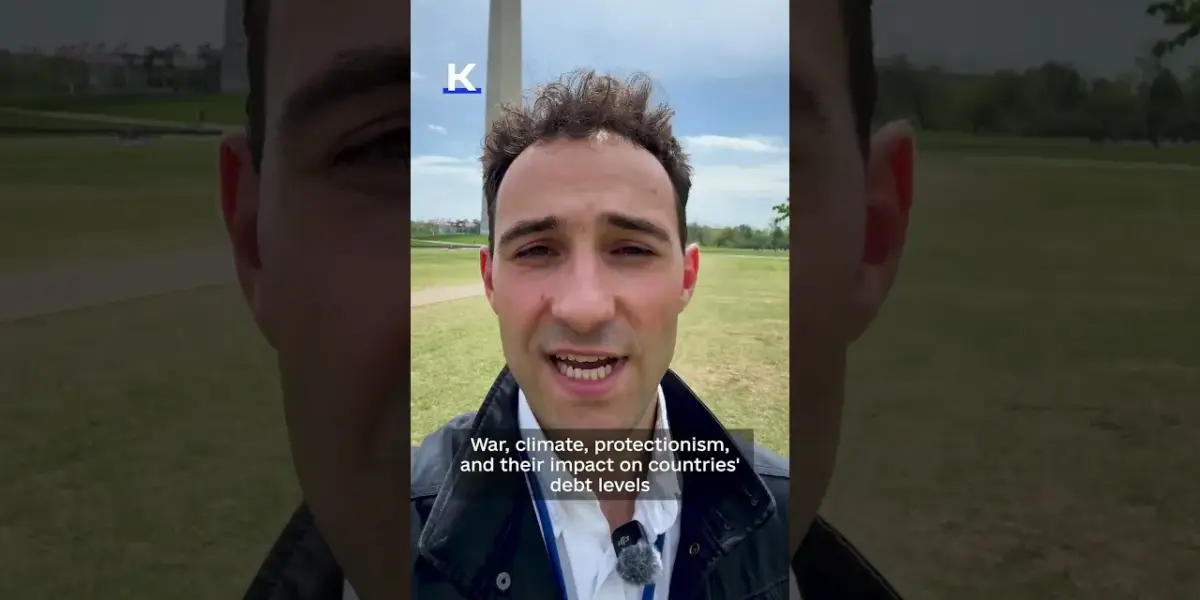
Washington D.C. is hosting a crucial gathering of global economic leaders this week for the International Monetary Fund (IMF) and World Bank Spring Meetings. These annual meetings bring together top financial officials and investors to discuss worldwide economic challenges. This year’s agenda is particularly heavy, with concerns about a potential global energy crisis due to unresolved issues between the U.S., Israel, and Iran. Other major topics include the impacts of war, climate change, and trade policies on national debt levels.
Hungary’s New Leadership Unblocks Key EU Funding
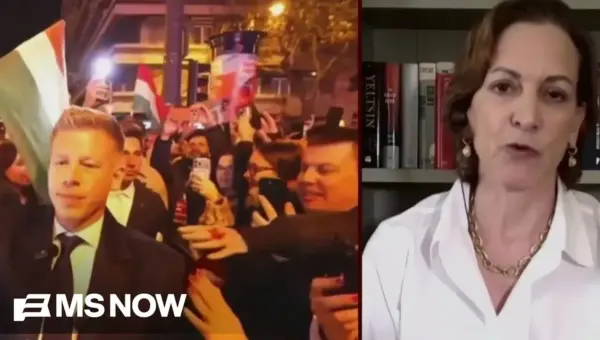
Despite the broader global economic anxieties, Ukraine’s financial outlook appears brighter. For months, Kyiv faced significant uncertainty after Hungary’s former Prime Minister Viktor Orbán blocked a vital 90 billion euro loan package from the European Union. This funding was essential for Ukraine, which risked running out of money by mid-2024 while defending its national sovereignty. However, Peter Magyar, who won Hungary’s national elections on April 12th, has pledged to release the EU funds. This move is part of an effort to improve Hungary’s relationship with the European Union.
IMF Program Conditions Pose Challenges for Kyiv
While the EU loan offers relief, Ukraine still faces hurdles with its financial partners. Ukraine’s representatives, including its finance minister, central bank governor, and prime minister, are in Washington to engage with the IMF. Earlier this year, Ukraine finalized an $8.1 billion lending agreement with the IMF. However, Kyiv has been slow to meet all the conditions required by the agreement. Ukraine may seek to renegotiate certain difficult terms of this IMF program. One particularly unpopular condition involves a new tax policy that has met with public resistance.
Strategic Implications
The unblocking of the EU loan is a critical development for Ukraine’s war effort and economic stability. This significant financial injection provides much-needed resources for the Ukrainian government to continue its operations and defense spending. It alleviates the immediate threat of a fiscal crisis, allowing Kyiv to focus on its military needs without the constant pressure of running out of funds. The successful negotiation and disbursement of these funds demonstrate continued international support for Ukraine.
The ongoing discussions with the IMF highlight the delicate balance Ukraine must strike between its international financial obligations and domestic political realities. The conditions attached to IMF loans often require unpopular austerity measures or structural reforms. Ukraine’s potential request to renegotiate these terms, especially regarding the tax policy, shows the challenges of implementing such reforms under wartime conditions. The outcome of these negotiations will signal the IMF’s flexibility and Ukraine’s ability to manage its economic policies while engaged in a major conflict.
Historical Context
The reliance on international financial aid during wartime is not new. Throughout history, nations engaged in prolonged conflicts have often depended on external loans and support to sustain their war efforts and maintain basic governmental functions. The Marshall Plan after World War II, for example, provided massive financial and technical assistance to help rebuild European economies devastated by the war. While the scale and context differ, Ukraine’s current situation echoes the historical necessity of international financial backing for nations facing existential threats.
What This Means on the Ground
For Ukraine, the secured EU funding means that essential government services can continue to operate, and the military can maintain its operational tempo without immediate financial collapse. It provides a buffer against the severe economic pressures of the ongoing conflict. The negotiations with the IMF, however, will determine the specific economic policies Ukraine must adopt. If Kyiv can successfully renegotiate some of the harsher conditions, it could ease public discontent and allow for more tailored economic management. Failure to reach an agreement or a push for strict adherence to all conditions could lead to further domestic economic strain.
Source: Ukraine’s funding at stake as IMF, World Bank meet in Washington (YouTube)

Related Articles
Global Alliances Shift: World Leaders Bypass Trump
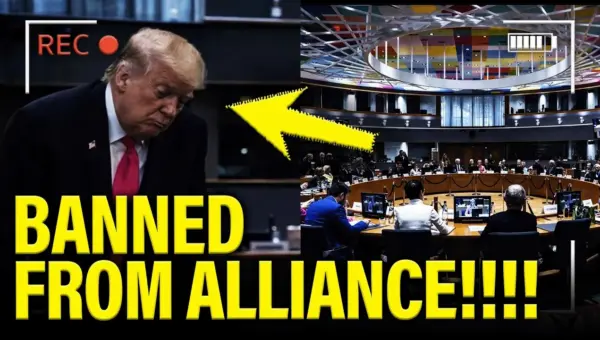
World leaders are forging new international alliances, notably excluding Donald Trump from key emerging security blocs. This shift sees China positioning itself as a superpower, while Ukraine offers advanced military technology and Europe takes a more active role in regional stability. These developments signal a potential restructuring of global power dynamics.

Hungary Ousts Orban, Unblocks EU Aid to Ukraine
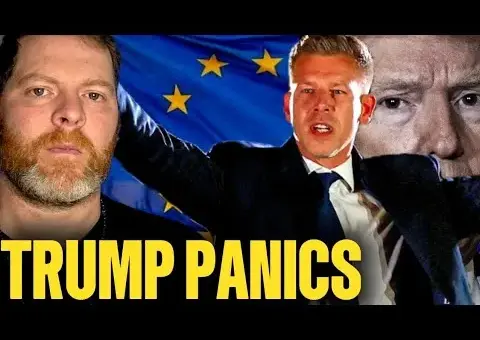
Hungary's election of Peter Magyar marks a significant geopolitical shift, ending Viktor Orban's 16-year rule and immediately unblocking crucial EU aid to Ukraine. Magyar's pragmatic approach blends national identity with European cooperation, offering a potential model to challenge entrenched nationalist leaders.

Hungary Ousts Orban: Vote Shows Illiberalism Isn’t Doomed
Hungary has voted out longtime authoritarian leader Victor Orban after 16 years in power, with the opposition securing a significant majority. The election results signal a potential shift for Hungary's role in Europe and demonstrate that illiberalism is not an inevitable outcome for nations. The outcome also highlights concerns about Orban's close ties to Russia and his impact on democratic institutions.