US Military Launches Brutal Strikes Against Cartels
The U.S. military is intensifying its fight against drug cartels with devastating strikes in the Eastern Pacific and Ecuador. Recent operations have targeted drug smuggling vessels, aiming to disrupt the flow of illegal substances into the United States. The military emphasizes a determined strategy to protect citizens from harmful drugs.

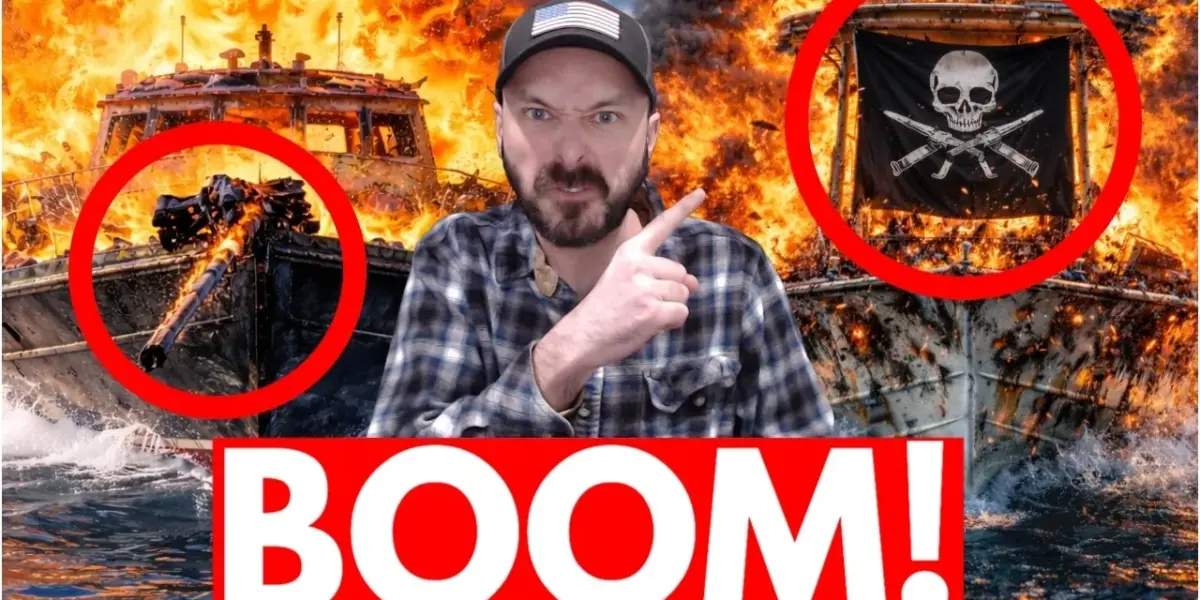
US Military Launches Brutal Strikes Against Cartels
While global attention has been focused elsewhere, the United States military has quietly intensified its fight against drug cartels. Recent operations have involved devastating strikes aimed at disrupting the flow of illegal drugs into the U.S. These actions, occurring in the Eastern Pacific and even on land in Ecuador, signal a determined effort to combat what is described as a “narco war.” The military is using advanced tactics and weaponry to target cartel operations, with the stated goal of protecting American citizens from harmful substances.
A New Front in the War on Drugs
On April 13th, U.S. military forces conducted a significant strike against a vessel suspected of drug trafficking in the Eastern Pacific. This operation was part of a broader effort, directed by Southcom commander General Francis Donovan, to apply “total systemic friction” on cartels. Intelligence confirmed the targeted vessel was actively engaged in drug smuggling along a known route. The strike resulted in the deaths of two individuals identified as drug cartel operatives, with no U.S. forces harmed. Footage released shows bags of drugs on the targeted boat, leaving little doubt about its illicit cargo.
This incident was not an isolated event. Just two days prior, on April 11th, Joint Task Force Southern Spear conducted two more lethal kinetic strikes against two other vessels involved in drug trafficking. In total, three vessels were hit in rapid succession. The intelligence gathered indicated these boats were also transiting known drug smuggling routes in the Eastern Pacific. These combined operations led to the deaths of several cartel operatives, with one survivor from the initial strike being attended to by coast guard rescue systems. The military emphasized that these actions serve as a clear warning to cartels: continued trafficking will be met with decisive force.
Footage Shows Devastating Impact
The released footage offers a stark look at the military’s capabilities. Multiple missile impacts are shown hitting the cartel vessels, causing immense destruction and sinking the boats. In one instance, a boat is seen being struck three times in quick succession, ensuring its complete destruction. Another strike targets what appears to be a semi-submersible vessel, also resulting in its rapid sinking. The visuals highlight the precision and power of the military’s offensive actions against these illicit operations.
Beyond naval operations, the U.S. military has also engaged in limited ground operations. Specifically, actions have been taken in Ecuador to combat cartel activities directly. While details on these ground missions are less publicized, they are part of a comprehensive strategy to disrupt cartel networks wherever they operate. The military’s message is clear: they intend to “find, fix, and finish” these organizations to prevent them from distributing drugs within the United States.
Broader Military Presence and Training
These strikes are supported by a significant U.S. military presence in the region. Aircraft carrier strike groups, such as the USS Nimitz, are actively engaged in training exercises in the Caribbean and the Pacific. These exercises, part of initiatives like Southern Seas 2026, aim to strengthen maritime partnerships and demonstrate U.S. commitment to regional security. Fighter jets, including FA18E Super Hornets, are part of these ongoing operations.
Furthermore, U.S. Marines are participating in advanced training, utilizing helicopters like the AH1Z Viper to engage simulated maritime targets. These drills, along with live-fire pistol training, prepare forces for potential combat scenarios against drug trafficking organizations. The presence of naval destroyers and their training with partner navies, such as the Ecuadorian Navy, underscore the multi-faceted approach being taken to secure the hemisphere.
Why This Matters
The intensification of U.S. military action against drug cartels is a direct response to the ongoing opioid crisis and the pervasive impact of illegal drugs on American society. For years, the U.S. has grappled with the devastating consequences of drug trafficking, including addiction, crime, and loss of life. While border security measures and interdiction efforts have been ongoing, these new, aggressive military strikes represent a significant escalation in strategy. By directly targeting the logistical capabilities of cartels at sea and on land, the U.S. aims to choke off the supply chain at its source.
Implications and Future Outlook
The “narco war” is increasingly being fought with military might, moving beyond traditional law enforcement methods. This approach raises questions about the long-term effectiveness and potential unintended consequences. While the strikes may disrupt current operations, cartels have historically shown resilience and adaptability. The focus on “applying total systemic friction” suggests a strategy aimed at crippling cartel infrastructure and operations comprehensively. However, this could also lead to increased violence or shifts in trafficking routes.
The involvement of military forces in what could be considered law enforcement actions abroad also brings up complex legal and diplomatic considerations. The success of these operations will likely depend on continued intelligence gathering, international cooperation, and a sustained commitment to disrupting the vast financial networks that fuel these organizations. The military’s commitment to continue these strikes, and potentially ramp up land operations, indicates a long-term strategy to combat drug trafficking through direct action.
Historical Context
The fight against drug cartels is not new. For decades, various U.S. administrations have employed different strategies, from interdiction and eradication programs to military support for partner nations. The current approach, however, marks a more direct and aggressive use of U.S. military power against these non-state actors. The reference to “designated terrorist organizations” (DTOs) also signals a framing of cartels as a security threat akin to international terrorist groups, justifying more forceful intervention.
The operations in Ecuador, for instance, echo past U.S. involvement in Latin America where military and intelligence assets have been used to combat drug trafficking and insurgent groups. The current strategy appears to be a calculated escalation, leveraging advanced military technology and intelligence to achieve tangible results in disrupting drug flow. The emphasis on “applying total systemic friction” suggests a move towards a more comprehensive, war-fighting approach against the cartels.
Source: U.S. Military SMASHES Cartel Targets *BRUTAL STRIKE FOOTAGE* (YouTube)

Related Articles
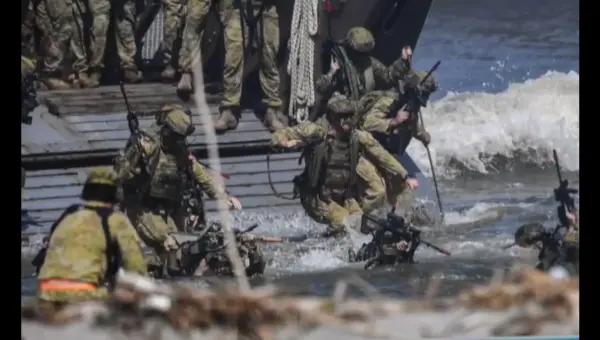
US, Allies Flex Naval Power in Contested Waters
The US and Australia joined the Philippines for joint naval exercises in the South China Sea, boosting regional defense and signaling a united front. These drills highlight growing cooperation and a shared commitment to security amid rising tensions.

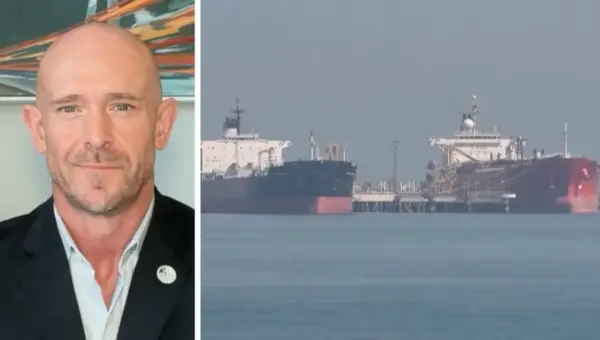
Iran’s Blockade: Trump’s Bold Move to Force Negotiations
The U.S. is using a blockade in the Strait of Hormuz to pressure Iran after failed talks. This strategy aims to cut off oil revenue and force negotiations. However, Iran's tough rhetoric and the difficulty of changing ideology pose significant challenges.

Indonesia Opens Door to US Military Flights Over Its Skies
Indonesia is considering a significant defense agreement that would allow U.S. military aircraft overflight access in its airspace. While the U.S. seeks broad permissions for emergency response and joint exercises, Indonesia is still in the preliminary discussion phase. This move could reshape regional security dynamics.