US Blockade of Iran Ports Shows Limited Impact Amid Diplomacy
The U.S. blockade of Iran's ports is showing limited impact, with Iranian vessels still navigating the Strait of Hormuz. Meanwhile, high-stakes diplomatic talks between the U.S. and Iran regarding Iran's nuclear program are underway, alongside historic discussions between Israel and Lebanon.

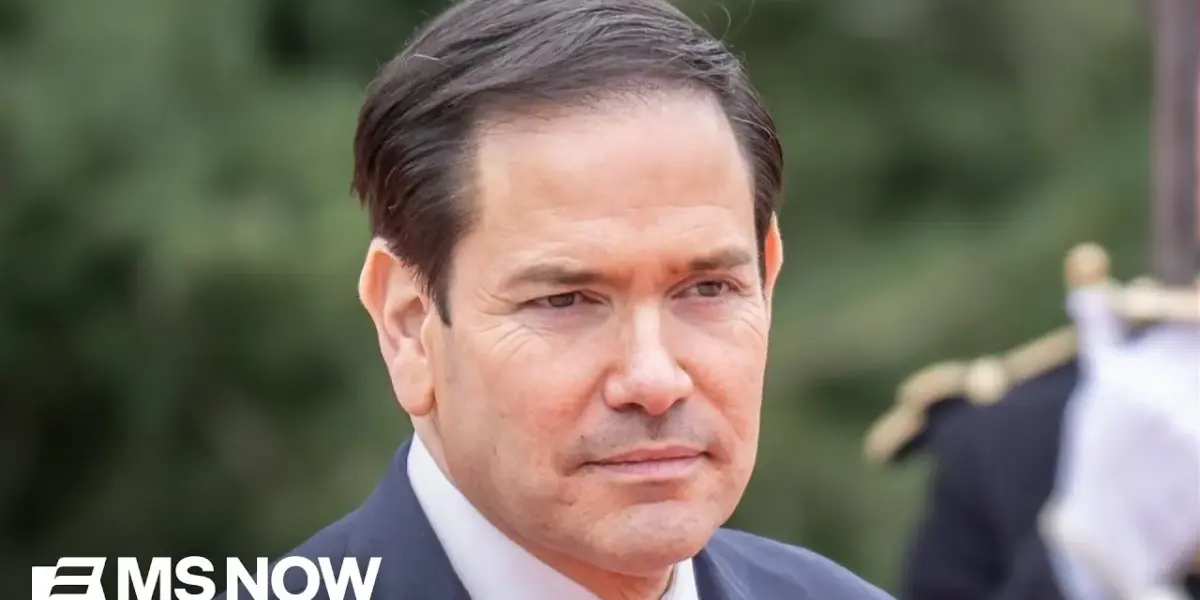
US Blockade of Iran Ports Shows Limited Impact Amid Diplomacy
The United States’ new blockade of Iran’s ports and coastline, which went into effect yesterday, is currently having very little impact, according to reports. Despite the U.S. Navy’s presence in the Gulf waters, Iranian vessels have continued to pass through the vital Strait of Hormuz. At least four ships linked to Iran, including two that had visited Iranian ports, crossed the strait on the same day the blockade began. This limited effect comes as diplomatic efforts between the U.S. and Iran appear to be gaining momentum behind the scenes.
Strait of Hormuz Remains Open, Blockade’s Effectiveness Questioned
U.S. Navy vessels are reportedly positioned to enforce the blockade, ready to surround Iranian ports or intercept Iranian ships. However, the actual impact remains minimal because Iranian ships are still able to transit the Strait of Hormuz. This key shipping lane saw several Iranian-linked vessels pass through, suggesting the blockade is not yet a significant barrier. More U.S. Navy forces are said to be heading to the region, with President Trump possibly hoping for support from Gulf nations.
It’s important to note that the U.S. is not technically blockading the strait itself, despite what the President has stated. Instead, the strategy appears to focus on blocking Iran’s Gulf ports by operating in the Gulf of Oman and the Indian Ocean. This approach avoids risking U.S. vessels near Iran’s coastline, where they could be targeted by Iranian missiles or drones. Iran has also threatened to use mines in the Strait of Hormuz, posing another danger to any U.S. naval presence.
China Condemns U.S. Actions, Iran Continues Oil Exports
China has officially condemned the U.S. blockade, calling it dangerous and irresponsible. This stance is understandable, as China relies heavily on Iran for its oil supply and has benefited from Iranian oil exports in recent weeks. Any U.S. interference with these shipments is a direct concern for China’s energy security and economic interests.
High-Stakes Diplomacy: U.S. and Iran Negotiate Nuclear Program
While the blockade’s impact is being assessed, significant diplomatic activity is underway. Vice President J.D. Vance recently visited Islamabad for a 21-hour meeting with Pakistani and Iranian officials. Although no agreement has been finalized, a second round of negotiations is being considered. The White House has emphasized its “red lines,” primarily ensuring Iran does not obtain nuclear weapons. This has been a long-standing U.S. priority.
Conversations have helped clarify U.S. objectives, including the reopening of the Strait of Hormuz, a goal that has proven difficult to achieve. Vice President Vance acknowledged that Iran has shifted its position on this issue during negotiations. The U.S. presented a proposal for Iran to suspend uranium enrichment for 20 years, a move aimed at providing Iran a way to demonstrate restraint without completely abandoning its nuclear program. However, Iran ultimately rejected this offer.
Iran has countered with its own proposal, suggesting a three-year suspension. This offer reportedly dates back to earlier talks in Geneva before previous negotiations collapsed. The situation remains complex, with significant differences still to be resolved. The ball is now in Iran’s court, as the U.S. believes it has put substantial proposals on the table. The outcome of these discussions is crucial for preventing further escalation and potential conflict.
Israel and Lebanon Hold Historic Talks Amidst Regional Conflict
Meanwhile, historic talks are taking place in Washington between Israeli and Lebanese diplomats, marking the first such high-level meeting in decades. These discussions occur while Israeli forces continue to conduct operations in Lebanon. The Israeli ambassador to the UAE stated that resolving issues related to Iran must precede any resolution with Lebanon. This highlights the complex regional dynamics influencing the negotiations.
Despite the ongoing fighting and civilian casualties, including women and children, diplomatic conversations are proceeding. The Israeli ambassador asserted that their operations are specifically targeting Hezbollah and Iranian proxies, not civilians. However, the reality on the ground presents a stark contrast to the diplomatic efforts. The effectiveness of these talks remains uncertain as long as conflict persists.
Future Outlook: Continued Negotiations and Potential Ceasefire
The coming days will be critical for monitoring the progress of both the U.S.-Iran nuclear talks and the Israel-Lebanon discussions. The U.S. administration may need to apply significant pressure on Israel to achieve a ceasefire in Lebanon. For the Iran negotiations, the focus will be on whether Iran accepts the U.S. proposals or if further compromises can be found. The possibility of a renewed deal, potentially similar to or an extension of the previous JCPOA, is on the horizon, but significant hurdles remain. The success of these diplomatic initiatives will determine the future stability of the region.
Source: TODAY: Rubio hosts critical talks between Israel and Lebanon (YouTube)

Related Articles
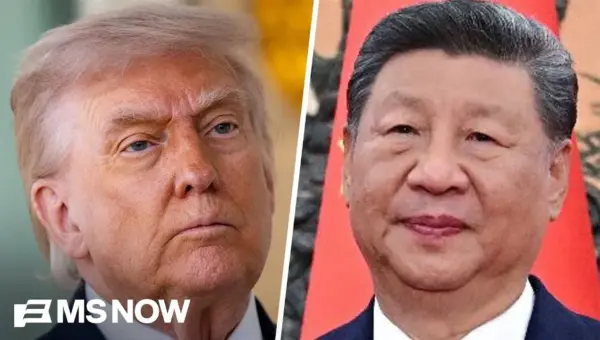
China Slams US Blockade of Iran as ‘Dangerous’
China has strongly condemned the U.S. blockade of Iranian ports as "dangerous and irresponsible," warning it will escalate regional tensions. The move comes as diplomatic efforts continue, with potential new talks between the U.S. and Iran being considered amid a looming ceasefire deadline. Meanwhile, high-level talks are also underway between the U.S., Israel, and Lebanon.


US Blockade of Iran Risks War: Is This the New Normal?
A US blockade of Iranian oil shipments could escalate into a full-blown act of war, warns an analysis. This move risks not only regional conflict but also a significant spike in global oil prices, potentially reaching $120 per barrel. The implications for international stability and the global economy are profound.

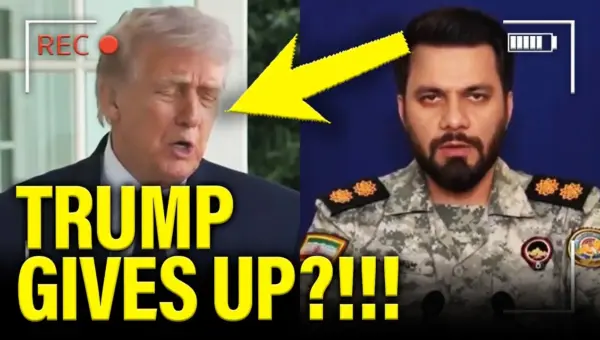
Trump’s Iran Strategy Crumbles Under Pressure
Donald Trump's aggressive stance on Iran, including a threatened naval blockade, has reportedly backfired. Critics argue that Iran has mocked U.S. efforts and is now in a stronger negotiating position, potentially securing a deal more favorable than previous agreements. The situation raises broader concerns about U.S. foreign policy effectiveness and global standing.