Pope and President Clash Over Iran Conflict
Pope Francis and President Trump are engaged in a public feud over the conflict with Iran. The Pope advocates for peace, while Trump defends his "law and order" stance. This clash puts American Catholics in a difficult position and could influence upcoming elections.

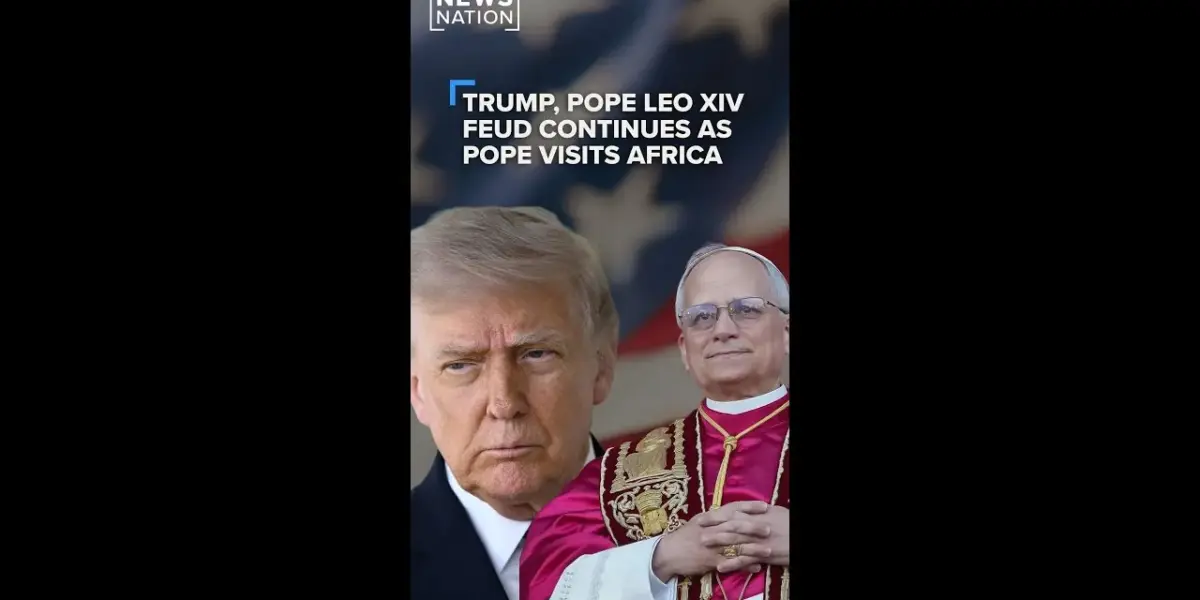
Pope Francis and President Trump Wage Public Feud Amid Iran Tensions
A public dispute between Pope Francis and President Donald Trump has intensified, fueled by the ongoing conflict involving Iran. This clash between two globally influential figures has placed many American Catholics in a difficult position. The Pope, currently on a tour of several African nations, appears unfazed by the President’s criticisms. He has stated he has no fear of the Trump administration and will continue to speak out against all wars, including the one concerning Iran.
Pope Francis has repeatedly expressed his sorrow over global conflicts. He stated, “God’s heart is torn apart by wars, violence, injustice, and lies.” This sentiment directly contrasts with President Trump’s approach. The President has doubled down on his criticism of the Pope, accusing him of harming the Catholic Church, being weak on crime, and having terrible foreign policy. Trump told reporters at the White House, “We believe strongly in law and order, and he seemed to have a problem with that. So, there’s nothing to apologize for. He’s wrong.”
Motivations and Interests
President Trump’s strong stance appears rooted in his “law and order” platform. He sees the Pope’s perceived leniency or criticism of certain policies as a challenge to his administration’s core values. Trump’s public attacks might also serve to rally his base, particularly among voters who prioritize a firm stance on security and international relations. The upcoming midterm elections, though months away, may also be a factor. Trump’s administration likely wants to avoid alienating potential Catholic voters, but this feud could complicate that effort if it continues or is highlighted by political opponents.
Pope Francis, on the other hand, consistently advocates for peace and diplomacy. His role as the spiritual leader of over a billion Catholics worldwide compels him to speak out against violence and injustice. His comments regarding the Iran conflict and war in general reflect the Church’s long-standing teachings on peace and the sanctity of life. His travels in Africa, a continent often affected by conflict and poverty, underscore his commitment to addressing global suffering directly. He aims to promote dialogue and understanding, even with those who hold opposing views.
The Iran Conflict as a Flashpoint
The conflict involving Iran serves as the backdrop for this high-profile disagreement. While the transcript does not detail the specifics of the Iran situation, it is clear that the Pope’s views on war and peace are in direct opposition to the current U.S. administration’s policies or rhetoric regarding Iran. The Pope’s condemnation of war is a general principle, but it is likely amplified in the context of current international tensions. Trump’s administration may view the Pope’s criticism as undermining its foreign policy objectives and national security interests.
Historical Context
The relationship between the Papacy and U.S. presidents has a long history, often marked by both cooperation and disagreement. Popes have historically acted as moral arbiters on the world stage, engaging with political leaders on issues of peace, human rights, and social justice. U.S. presidents, while often seeking Catholic votes, also operate within their own national interest frameworks. This current feud echoes past instances where religious leaders have challenged political leaders on moral grounds, although the direct and public nature of this exchange is notable.
Potential Impact on Catholic Voters
The impact of this feud on Catholic voters is uncertain. While President Trump has a base of support among some Catholic demographics, many others align with the Church’s social teachings, which often emphasize compassion and peace. The midterm elections are a key test. If the conflict escalates or becomes a more prominent issue, it could influence voting patterns. Political opponents of Trump and the Republican party may use the Pope’s criticisms to sway undecided Catholic voters. However, if the issue fades or is overshadowed by other concerns, its electoral impact might be minimal.
Global Impact
This public spat between the Pope and the President highlights the complex intersection of religion, politics, and international relations. It shows how deeply held moral convictions can clash with geopolitical strategies. The Pope’s voice carries significant moral weight globally, and his criticism, even if directed generally at war, can influence public opinion and put pressure on leaders. President Trump’s willingness to engage in such public disputes also signals a departure from traditional diplomatic norms, where such disagreements might be handled more privately.
Future Scenarios
One scenario is that the feud continues, becoming a recurring theme in political discourse, potentially impacting the midterms and future elections. Another possibility is that both leaders, perhaps through intermediaries, de-escalate the rhetoric. The Pope may continue his advocacy for peace without directly naming Trump, while Trump might focus on other domestic or foreign policy issues. A third scenario involves the conflict in Iran itself becoming the dominant factor, potentially overshadowing this personal dispute or, conversely, intensifying it if events on the ground worsen.
Source: Trump, Pope Leo continue feud over conflict with Iran | NewsNation (YouTube)

Related Articles

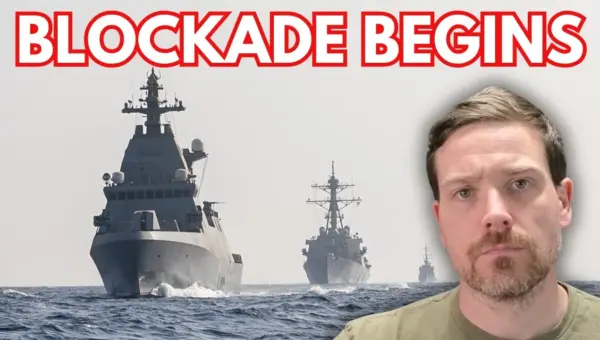
Iran Blockade Sparks Global Tensions: A Test of Wills
The US has imposed a blockade on Iranian ports, aiming to cripple its economy and force negotiations. This move, however, risks escalating regional tensions. Iran's resilience to sanctions and its strategic use of the Strait of Hormuz present complex challenges, while differing US and Israeli objectives add to the volatile situation.
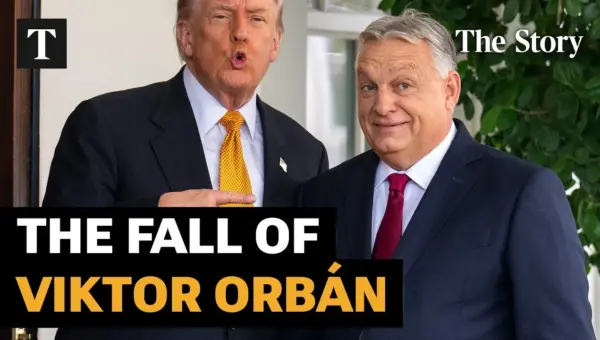
Trump’s Endorsement Backfires as Orban Suffers Historic Election Defeat
Victor Orban has been ousted as Hungary's Prime Minister after 16 years in power, following a landslide victory for opposition leader Peter Magyar. Donald Trump's strong endorsement of Orban failed to prevent the defeat, signaling a potential shift in his influence on European politics.
Trump’s Core Voters Flee: New Poll Shows Steep Decline
A recent poll reveals a significant drop in Donald Trump's support, especially among white, non-college-educated voters, his traditional base. This decline, from a strong positive to a negative rating, signals a potential shift in the Republican electorate. The numbers suggest widespread disapproval across all demographics and key issues like the economy.