Trump-Vance Brand Suffers Overseas After Iran War, Analyst Says
Senator J.D. Vance's recent trip to Hungary to support Prime Minister Viktor Orban has drawn sharp criticism, with analysts arguing the "Trump-Vance brand" has become toxic overseas. Despite Vance's defense of the visit as supporting an ally, critics point to Orban's authoritarian record, suggesting such endorsements may now backfire, rallying opposition against the supported candidates.

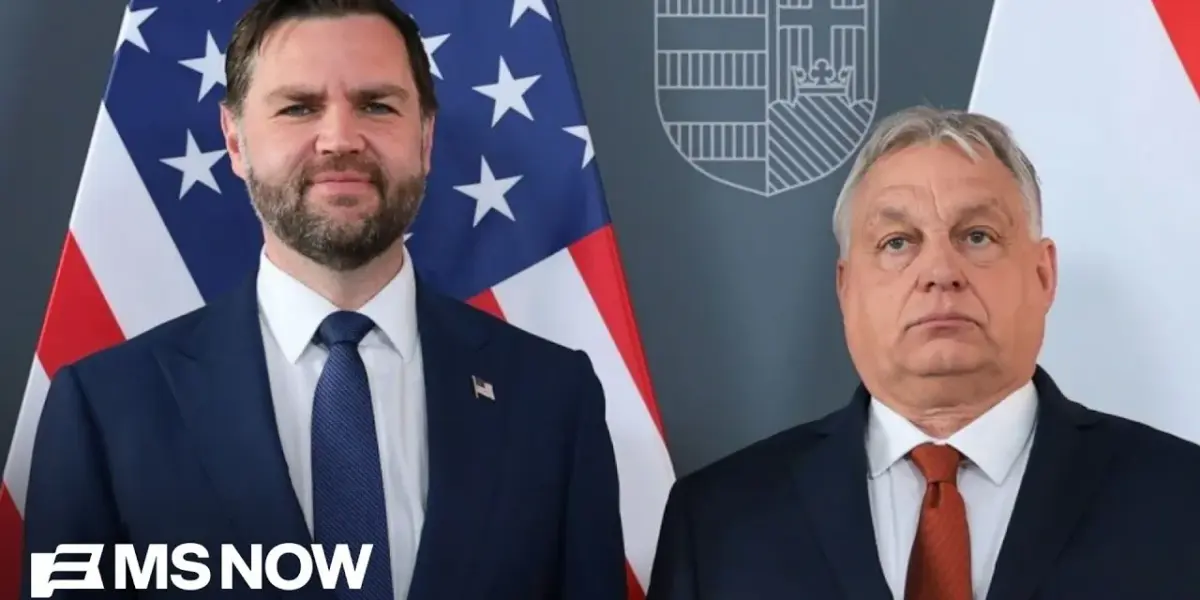
Vance Defends Hungary Trip Amid Criticism
U.S. Senator J.D. Vance faced scrutiny this week for his recent trip to Hungary to support Prime Minister Viktor Orban. Vance defended the visit, stating it was about standing with a long-time ally of the United States, not about influencing the election outcome. He emphasized Orban’s past support for both him and President Trump personally, as well as for the U.S.
“We didn’t go because we expected Victor to cruise to an election victory,” Vance explained. “We went because it was the right thing to do to stand behind a person who had stood by us for a very long time.” He added that the trip was fundamentally about the United States and its relationship with Orban, whom he considers a good partner.
Critics Slam Orban’s Record and Vance’s Support
However, critics argue that Vance’s support for Orban is deeply problematic. They point to Orban’s record over 18 years in office, which includes actions described as crippling the free press, crushing dissent, and dismantling the independent judiciary. These actions are seen by many as mirroring what Donald Trump has attempted in America.
Ed Luce, a columnist for the Financial Times, wrote that Vance’s role as Trump’s “number two” requires him to defend policies that can change drastically. Luce described Vance as “flailing” and no longer Trump’s obvious successor, noting that even Trump has begun to lightly tease Vance publicly. The endorsement of Orban by figures like Vance, Sergey Lavrov, Vladimir Putin, Donald Trump, and Marco Rubio is seen as a sign of how little some understand about freedom and Western values.
Hungary’s Election and Broader Implications
Orban’s recent election defeat, despite pre-election polling and betting markets favoring him, has significant implications. Vance’s campaigning in Hungary occurred just before talks in Islamabad, and his public support for Orban is now being viewed as potentially damaging.
“The Trump-Vance brand is so toxic overseas after the war in Iran that real Trump-Vance loyalists like Nigel Farage in Britain are now distancing themselves from them.”
Luce suggests that Vance’s endorsements may have become a “kiss of death” for far-right candidates in Europe, rallying opposition against them. This trend was evident before the war in Iran but has intensified since, making the Trump-Vance brand toxic to allies.
Vance’s Shifting Role and Political Strategy
Luce’s recent article in the Financial Times, titled “The Ever-Shrinking J.D. Vance,” explores the senator’s challenging position. Vance was chosen by Trump for his loyalty, but defending rapidly changing policies requires immense political agility. The article suggests that Vance is struggling to maintain his standing as a potential successor.
Vance’s past actions, including visiting Hungary last year and urging far-right parties to take over, are highlighted. He also met with the German far-right AfD leader and snubbed mainstream politicians. These moves underscore a consistent pattern of aligning with controversial figures.
Lessons from Hungary’s Election
The defeat of Orban, who is described as an “autocratic thug” who bragged about being illiberal, carries important messages for both Europe and the United States. For Europeans, it shows that pushing back against authoritarianism is possible.
For Americans, the election result in Hungary offers a crucial lesson. While voters were angry about corruption and human rights abuses, these factors alone were not enough to unseat Orban. The turning point appears to have been the cost of living crisis, which combined with simmering resentment, sparked a voter uprising.
This combination of political discontent and economic hardship has implications not only for future elections in America, including the upcoming midterms, but also for other countries in Europe facing similar challenges.
What’s Next?
Moving forward, it will be important to watch how J.D. Vance navigates his political future following this perceived setback. The effectiveness of his alliances with controversial international figures will likely continue to be a key focus for both domestic and international observers. The impact of the Hungarian election on broader European political trends and its potential influence on American political strategies will also be closely monitored.
Source: Ed Luce: The Trump, Vance brand is so toxic overseas after the war in Iran (YouTube)

Related Articles

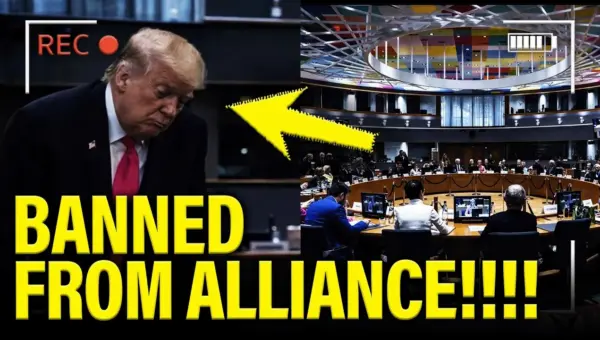
Global Alliances Shift: World Leaders Bypass Trump
World leaders are forging new international alliances, notably excluding Donald Trump from key emerging security blocs. This shift sees China positioning itself as a superpower, while Ukraine offers advanced military technology and Europe takes a more active role in regional stability. These developments signal a potential restructuring of global power dynamics.
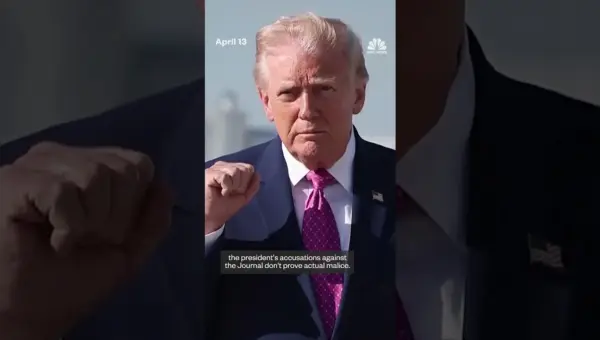
Judge Tosses Trump’s $10B Lawsuit Against WSJ
A federal judge has dismissed former President Donald Trump's $10 billion lawsuit against The Wall Street Journal. The judge ruled that Trump's team failed to prove 'actual malice' by the newspaper. Trump's legal team stated they will continue to fight against what they call 'fake news'.

Hungary Ousts Orban, Unblocks EU Aid to Ukraine
Hungary's election of Peter Magyar marks a significant geopolitical shift, ending Viktor Orban's 16-year rule and immediately unblocking crucial EU aid to Ukraine. Magyar's pragmatic approach blends national identity with European cooperation, offering a potential model to challenge entrenched nationalist leaders.