Trump’s Iran Deal Tweets Spark Mental Fitness Debate
Amidst a flurry of social media posts declaring victory in Iran negotiations, Donald Trump's stability and the actual gains of the deal are under intense scrutiny. Critics question the substance of his claims, pointing to a return to the status quo and potential concessions to Iran.

Trump’s Iran Deal Tweets Spark Mental Fitness Debate
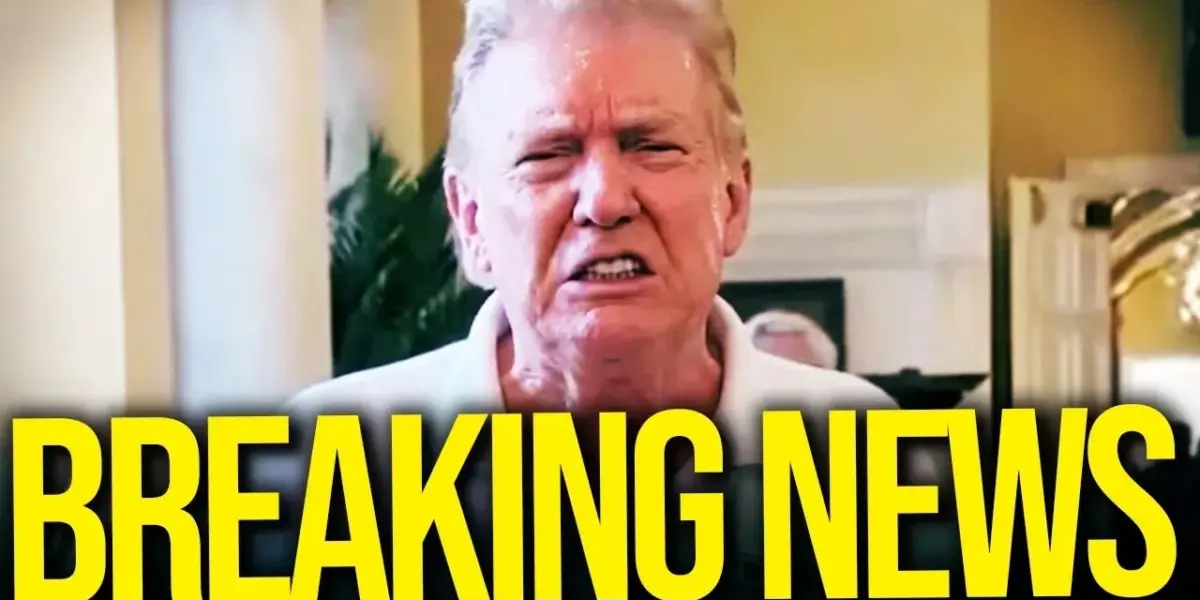
Donald Trump recently flooded social media with dozens of posts about his negotiations with Iran. These messages, described by some as a “manic tirade,” proclaimed a swift and total victory. However, many observers are questioning the substance behind these claims and Trump’s own stability.
Trump’s posts declared the Strait of Hormuz reopened and claimed a complete win in the conflict. He stated that the United States had achieved “total victory” and that everything was returning to normal. He even suggested the U.S. would receive “nuclear dust” from B-2 bombers without any financial exchange.
Skepticism Greets Grandiose Claims
Despite Trump’s pronouncements, many remain unconvinced. Critics point out that the Strait of Hormuz was already open before the recent escalation. They argue that the situation has simply returned to a status quo, with Iran potentially gaining financial concessions.
One analysis suggested that the U.S. spent billions and suffered casualties, only to end up back where it started, or even worse. This perspective highlights a pattern of taking steps backward before celebrating a minor step forward. Skeptics believe Trump is exaggerating small gains to mask a lack of substantial achievement.
Questions About Trump’s Demeanor
The sheer volume and tone of Trump’s posts have raised concerns about his mental state. Some observers have described his online activity as “manic” and questioned if he exhibits bipolar-like behavior. They note a shift from anger to declarations of victory within hours.
This behavior contrasts with the expected conduct of a leader engaged in serious international diplomacy. The rapid-fire, often typo-ridden posts seem more like emotional outbursts than calculated diplomatic statements. Critics worry this erratic behavior could be detrimental to national security.
Historical Context of Iran Negotiations
Negotiations with Iran over its nuclear program have a long and complex history. The Joint Comprehensive Plan of Action (JCPOA), signed in 2015, aimed to limit Iran’s uranium enrichment in exchange for sanctions relief. Trump withdrew the U.S. from this deal in 2018, reimposing sanctions.
The current situation appears to be a continuation of these complex discussions, with the Strait of Hormuz issue intertwined. The strait, a vital chokepoint for global oil transport, has been a frequent site of tension between Iran and international powers.
Concerns Over Market Influence
Trump’s posts were also timed strategically, with some appearing just before the stock market opened on a Friday. This has led to accusations of market manipulation, suggesting he may be trying to influence financial markets for his benefit.
His pronouncements about the Strait of Hormuz being open and ready for business could impact oil prices and stock valuations. Critics argue that such actions, if intentional, are irresponsible and potentially illegal.
Political Debate Intensifies
The debate over Trump’s fitness for office has been ongoing. Recently, a Democratic Representative questioned a health secretary about invoking the 25th Amendment regarding Trump’s mental stability.
The secretary’s reluctance to give a direct answer was seen by some as prioritizing political loyalty over constitutional duty. This exchange highlights the deep divisions and ongoing scrutiny of Trump’s mental and emotional capacity to lead.
Why This Matters
The way international crises are handled, and the perceived stability of leaders involved, has significant global consequences. Trump’s public pronouncements, even if exaggerated, can influence international perceptions, market reactions, and the confidence of allies and adversaries alike.
The focus on Trump’s mental state, while often politically charged, also touches upon broader questions about leadership, judgment, and the pressures of the presidency. Ensuring a stable and rational approach to foreign policy is crucial for global security and economic well-being.
Implications and Future Outlook
If Trump’s claims of victory are indeed hollow, it could embolden Iran and weaken the U.S.’s standing. A return to the status quo, especially if it involves financial concessions to Iran, might not satisfy those seeking to prevent nuclear proliferation.
The continuous questioning of a leader’s stability can create uncertainty and unpredictability in international relations. Allies may question the reliability of U.S. foreign policy, while adversaries might see opportunities to exploit perceived weaknesses.
The situation also points to a trend of leaders using social media for direct, unfiltered, and often inflammatory communication. This bypasses traditional diplomatic channels and can lead to rapid escalations or misinterpretations.
Moving forward, the actual terms of any agreement with Iran will be critical. Whether the Strait of Hormuz remains open and secure, and whether Iran’s nuclear ambitions are genuinely curbed, will be the true measures of success, not just social media declarations.
The ongoing scrutiny of Trump’s mental fitness, particularly in the context of high-stakes international negotiations, will likely continue. The public and political figures will be watching closely for any further signs of instability or erratic behavior.
The next few weeks will reveal the true outcome of these negotiations and whether the Strait of Hormuz remains a point of contention or becomes a symbol of renewed stability.
Source: Trump Manic Crisis Worries EVERYONE (YouTube)

Related Articles
Fox News Scrambles as Trump’s Support Hits Historic Lows
Fox News faces scrutiny as Donald Trump's poll numbers reportedly plummet, leading the network to employ unusual tactics. From attacking the Pope to focusing on culture wars, the network appears to be scrambling to support Trump amidst growing controversies and declining public favor.
Trump’s War on the Pope: A Risky Gamble for Catholics
Donald Trump's recent criticism of Pope Francis risks alienating Catholic voters, a key demographic for Republicans. Meanwhile, experts describe the ongoing Middle East conflict as a "colossal disaster," with Iran consolidating influence and geopolitical alliances shifting. This dual approach appears to be a risky gamble driven by political desperation and a flawed strategy.

Psaki: Trump ‘Cornered Animal’ Losing Support, Polls Show
Jen Psaki has described Donald Trump's campaign behavior as that of a 'cornered animal' who 'knows he's losing.' Psaki cited recent polls showing Trump's approval ratings have fallen below 40 percent in six tracked surveys. This suggests a potential weakening of his support base and a defensive posture in his public actions.