Summer Flights Face Risk as Jet Fuel Prices Soar
The aviation industry faces a growing jet fuel crisis, threatening summer travel plans. Rising prices and uncertain supply chains, fueled by Middle East tensions, could lead to significant flight cancellations. Airlines are taking measures like "tankering" and route adjustments, but travelers are advised to book flights early.

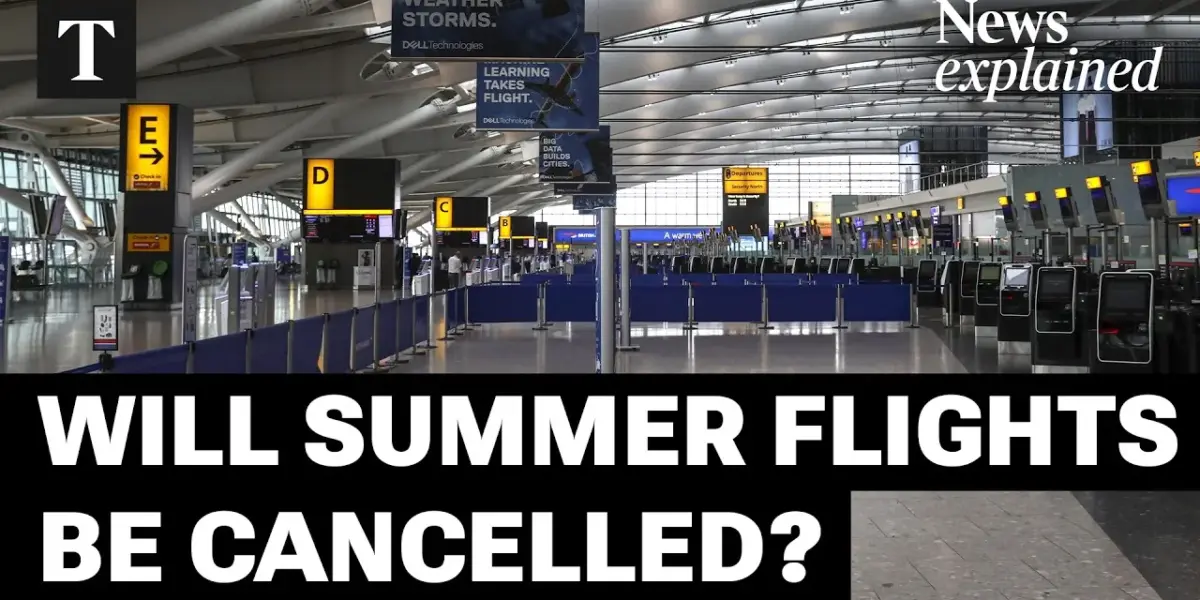
Summer Travel Alert: Jet Fuel Crisis Threatens Flights
Millions of travelers planning summer vacations are facing potential flight disruptions and cancellations due to a severe jet fuel shortage. The aviation industry is grappling with rising fuel costs and uncertain supply chains, largely driven by geopolitical tensions in the Middle East. Airlines are warning that a significant number of flights could be canceled if the situation does not improve.
Middle East Tensions Impact Global Fuel Supply
The ongoing conflict in the Strait of Hormuz has created widespread uncertainty for the global fuel supply. Iran has pledged further retaliation against U.S. forces, leading to a continued disruption of fuel shipments. This instability directly affects the availability and price of jet fuel, a critical component for air travel.
“They remain told for 60-90 days. We’re all facing an unknown scenario and we are certainly looking at maybe having to cancel 5% 10% of flights.”
Skyrocketing Jet Fuel Costs
The price of jet fuel has seen a dramatic increase, soaring by 125% since the conflict began. This sharp rise in costs puts immense pressure on airlines, forcing them to consider drastic measures. Travelers are now concerned about whether their booked flights will actually take off during the peak summer travel season.
Asia Faces Most Severe Fuel Shortages
While the jet fuel shortage is a global concern, certain regions are feeling the impact more acutely than others. Asia, which relies heavily on fuel imports from specific regions, is experiencing more significant heat than areas like America or Europe. America has its own domestic supply and refineries, while Europe benefits from a more diverse network of jet fuel suppliers.
This disparity means travelers flying to or from destinations like China, Vietnam, and Hong Kong may face a higher risk of flight cancellations. The situation highlights the vulnerability of regions dependent on specific international fuel routes.
Airlines’ Strategies: Tankering and Advance Purchases
In an effort to mitigate the fuel crisis, some airlines have adopted a practice known as “tankering.” This involves carrying more fuel than normally required for a flight. It’s a strategy to ensure they have enough fuel, even if resupply becomes difficult.
Airlines typically purchase fuel months, sometimes even years, in advance. This practice, known as hedging, helps them secure the best possible prices. However, even with advance agreements, the physical delivery of that fuel is not always guaranteed amidst supply chain disruptions.
“Airlines will typically buy fuel months, sometimes even years in advance… But although they might buy an amount of fuel or promise to buy an amount of fuel, it doesn’t actually mean that that fuel is going to be delivered.”
Uncertainty in Fuel Visibility
Airlines report having guaranteed visibility on fuel availability for only the immediate month ahead. Beyond that, clarity diminishes, creating significant uncertainty for future flight schedules. This lack of long-term predictability complicates planning and operations for the entire aviation sector.
Low-cost carrier EasyJet has seen its initial calls for calm turn into concern. The airline notes that the Middle East conflict has created near-term uncertainty regarding customer demand, adding another layer to the complex situation.
European Airports Grapple with Reserves
Certain parts of Europe are more vulnerable to fuel shortages than others. By early April, four airports in northern Europe began rationing fuel specifically for short-haul flights. Major hubs like Paris, Copenhagen, and Amsterdam are currently relying on their existing fuel reserves.
Southern European destinations, including popular leisure spots like the Canary Islands, Greece, and Spain, present a different challenge. These airports are often smaller and have limited storage capacity for fuel, making them susceptible to supply disruptions.
Warnings and Conflicting Outlooks
The head of the International Energy Agency has warned that Europe may have only about six weeks of jet fuel reserves left. This warning suggests that flight cancellations this summer are a distinct possibility. Airports Council International in Europe has echoed these concerns, stating that Europe is running out of jet fuel.
However, conversations with airlines over recent weeks reveal a more optimistic, though cautious, outlook. Many airlines maintain they have sufficient jet fuel supply to cover their planned summer schedules. They anticipate some short-term cancellations but are working to minimize impact on overall operations.
Minimizing Disruptions and Advice for Travelers
Airlines are actively reviewing their flight schedules to remove less busy flights or routes well-served by competitors. This proactive approach aims to consolidate resources and reduce the impact of fuel shortages. Personal experiences shared indicate that cancellations often involve high-frequency routes within Europe, with passengers being rebooked onto nearby flights.
For travelers planning trips later this year or into next, the advice is clear: book your flights as early as possible. Securing a booking provides a guarantee that the airline is responsible for your travel arrangements, offering a degree of protection against potential disruptions.
What to Watch Next
The coming weeks will be critical as airlines and aviation authorities monitor fuel supplies and geopolitical developments. The effectiveness of current fuel-saving strategies and the potential for new supply agreements will determine the extent of summer travel disruptions. Travelers should stay informed about their flight status and consider booking sooner rather than later.
Source: Why Your Summer Flights Are At Risk (YouTube)

Related Articles


Israel Condemns Soldier’s Vandalism of Religious Icon
Israel is investigating a soldier seen appearing to smash a statue of Jesus Christ in southern Lebanon, condemning the act as contrary to military values. Meanwhile, US-Iran tensions have flared after the US seized an Iranian cargo ship, jeopardizing potential peace talks. A ceasefire between Israel and Hezbollah in southern Lebanon remains formally in effect despite sporadic clashes.


Trump Struggles to End Iran War Amid Shifting Tactics
Tensions between the U.S. and Iran escalate as a fragile ceasefire comes under pressure, marked by accusations of violations and the seizure of an Iranian cargo ship. President Trump faces challenges in ending the conflict, with public opinion leaning against U.S. involvement and Iran reportedly feeling emboldened.


Iran Tensions Flare: A Path to Peace or More Conflict?
Tensions between the U.S. and Iran have escalated following the seizure of an Iranian cargo ship. Despite threats of military action, expectations for upcoming talks are low, raising concerns about further conflict and its human cost.