Iran Tensions Flare: A Path to Peace or More Conflict?
Tensions between the U.S. and Iran have escalated following the seizure of an Iranian cargo ship. Despite threats of military action, expectations for upcoming talks are low, raising concerns about further conflict and its human cost.


Iran Tensions Flare: A Path to Peace or More Conflict?
Recent actions in the Strait of Hormuz have dramatically increased tensions between the United States and Iran. President Trump announced the U.S. seized an Iranian cargo ship that attempted to pass a military blockade.
This event happened just days before a two-week ceasefire agreement was set to expire. The President warned that if a deal isn’t reached by then, the U.S. would target Iran’s power plants and bridges.
These developments raise serious questions about the path forward. Expectations for the second round of talks in Pakistan are very low.
There’s even doubt about whether Iran will send negotiators with real power to make decisions. These kinds of actions, like disabling a cargo ship, create uncertainty and fear of accidental escalation.
Historical Context: A Long Road of Conflict
The relationship between the U.S. and Iran has been complicated for decades. Iran has maintained a strong stance against the U.S. for 47 years, creating a kind of isolation.
This has led to proxy conflicts, like those involving the Houthi rebels in Yemen. The region’s stability often hangs by a thread, making any new conflict a serious concern.
Past military actions, while seemingly decisive in the moment, have often led to prolonged engagements and regional disruption. The immense cost in lives, resources, and political stability from conflicts in places like Iraq and Afghanistan makes approaching new confrontations with caution. The shifting goals of missions, from preventing nuclear weapons to other objectives, only add to the complexity and risk.
The Risk of Escalation
The current situation carries a real risk of further conflict. If the focus remains solely on preventing Iran from obtaining nuclear weapons, then every action can be seen as serving that goal. However, the ambiguity of the situation and the unclear objectives of the negotiating team make it difficult to assess the true intentions and potential outcomes.
The team sent to negotiate, though composed of capable individuals, raises questions about their authority and ultimate goals. Are their objectives aligned with the President’s stated aim of preventing Iran from acquiring nuclear weapons? Without clear answers, the risk of miscalculation and further escalation remains high.
The Human Cost of Aggression
Threats to destroy Iran’s power plants and bridges, as suggested by President Trump, carry significant implications. Such actions would directly harm the Iranian people, many of whom may already be dissatisfied with their government. Instead of isolating the regime, these measures could turn the population against the U.S.
Depriving citizens of essential services like electricity and transportation, especially when combined with existing restrictions like internet shutdowns, can devastate a society. Iran is a nation with a rich culture and a developed populace, not simply a resource-rich territory. Targeting its infrastructure risks destroying its civilization and is seen by some as an inappropriate response.
A Call for a Different Approach
From a position of deep experience in the region and its conflicts, the current trajectory is concerning. The focus on aggressive actions and threats may not be the most effective path. Instead, more energy and focus could be directed towards finding diplomatic solutions and de-escalating tensions.
The goal should be to find a way out of the current situation and avoid repeating past mistakes. This requires a clear strategy, strong diplomacy, and a focus on the well-being of the people, not just geopolitical objectives. The upcoming talks, despite low expectations, still represent a potential opportunity for dialogue.
Why This Matters
The escalating tensions between the U.S. and Iran are not just a regional issue; they have global implications. Any military conflict could disrupt oil supplies, impact international trade, and lead to further instability in an already volatile region. The decisions made now will shape the future of the Middle East and influence international relations for years to come.
Understanding the historical context and the potential human cost is crucial for evaluating the current situation. The effectiveness of military action versus diplomatic engagement remains a key question. The world watches to see if a path towards de-escalation and a peaceful resolution can be found before the situation deteriorates further.
Future Outlook
The coming weeks are critical. The expiration of the ceasefire agreement and the ongoing diplomatic efforts will determine the immediate future.
While expectations for the upcoming talks are low, the possibility of a breakthrough, however slim, cannot be entirely dismissed. The focus on preventing Iran from acquiring nuclear weapons will likely remain a central theme.
However, the approach taken will be key. Whether through continued military pressure, renewed diplomatic engagement, or a combination of both, the long-term goal should be stability and peace. The world hopes for a resolution that avoids further bloodshed and fosters a more secure future for all involved.
Source: Geraldo Rivera: Expectations very low for second round of talks, war ending soon | NewsNation Prime (YouTube)

Related Articles
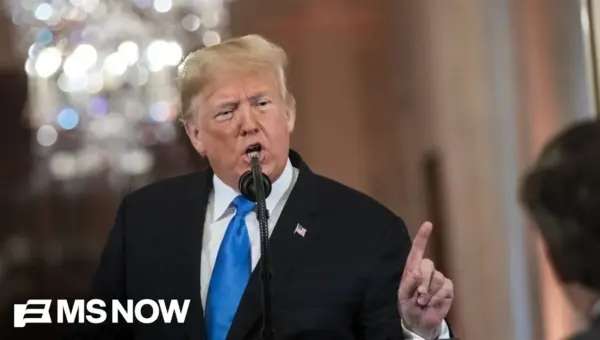
Iran’s AI-Powered ‘Slopaganda’ War Targets Americans Online
Iran is employing advanced AI to create and spread 'slopaganda,' using internet culture to influence American views on global conflicts. This digital strategy bypasses traditional media, reaching younger audiences directly through memes and fake videos. Experts warn that this approach exploits information gaps and highlights a need for better U.S. online communication strategies.


Trump’s Iran Threats Spark GOP Concern, War Powers Debate
A U.S. Navy destroyer fired on an Iranian cargo ship amid heightened tensions, just hours after President Trump issued a stark warning to Iran. The incident and Trump's aggressive rhetoric have fueled growing concern in Congress, with some Republicans signaling a willingness to curb the president's war powers. Congressman Seth Moulton criticized Trump's threats as 'unhinged' and discussed broader issues of trust in government.
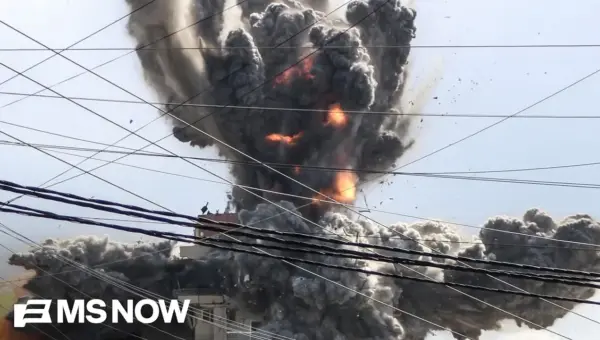
Iran’s Iran’s Strait of Hormuz Control Risks Global Power Shift
Professor Robert Pape warns that Iran's control over the Strait of Hormuz could lead to a major global power shift, potentially making Iran the fourth major world power. He argues that current U.S. policy is a "colossal strategic mistake" that is inadvertently strengthening Iran and destabilizing the global economy.